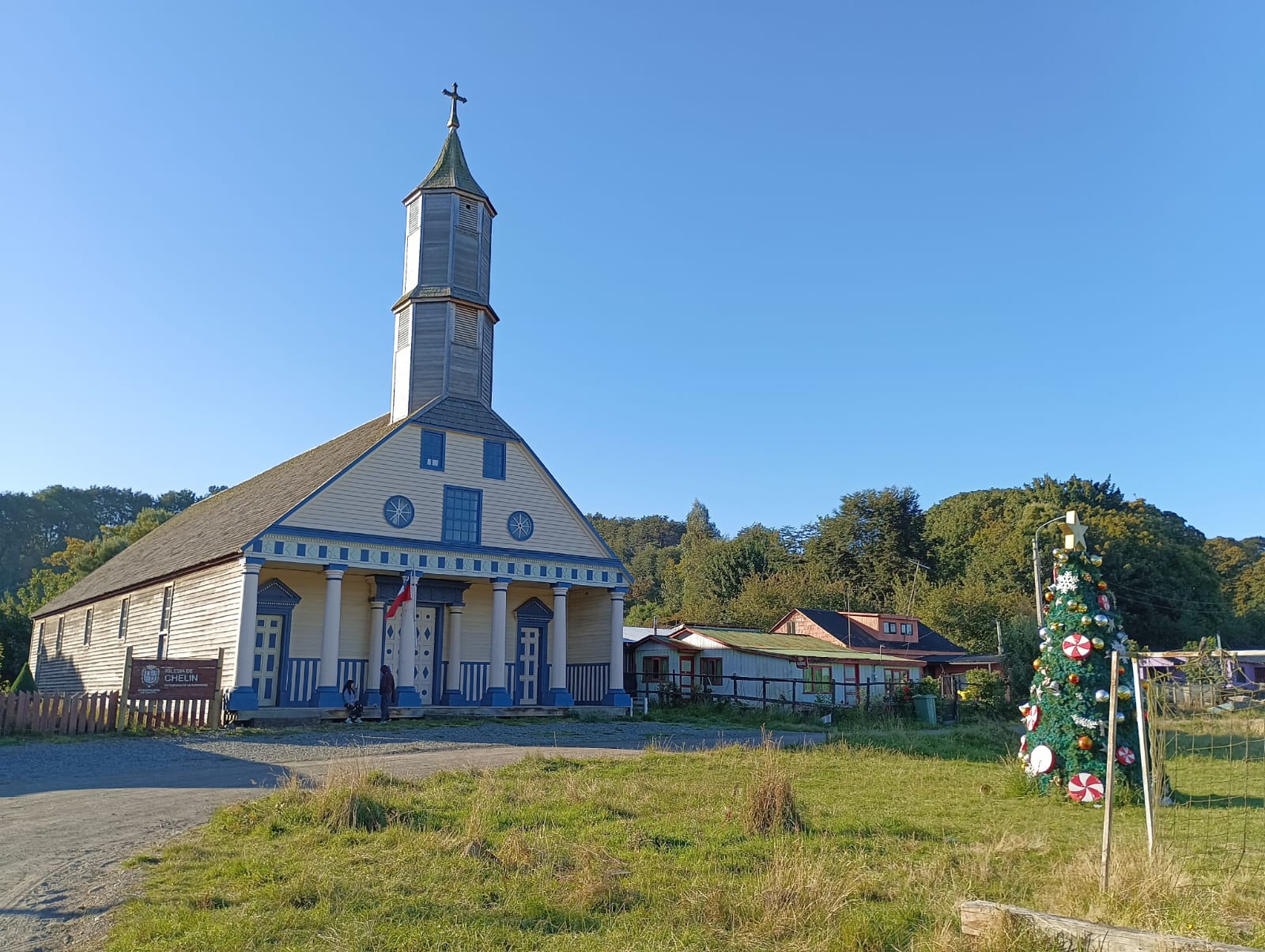
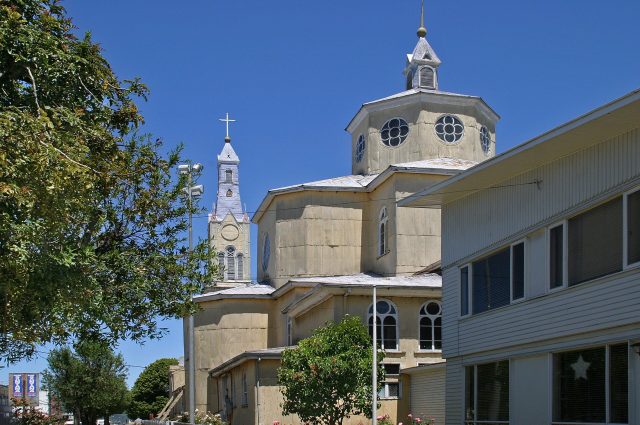
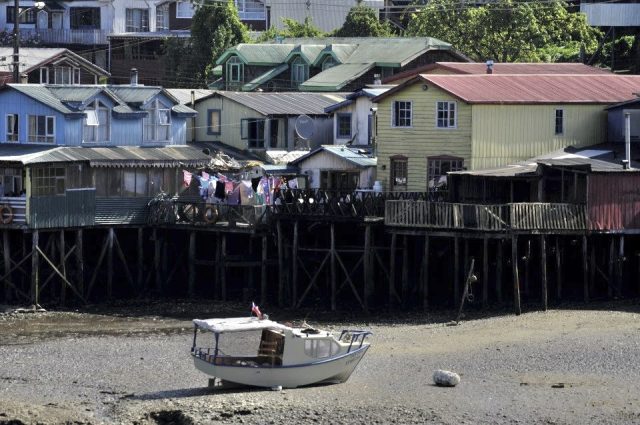
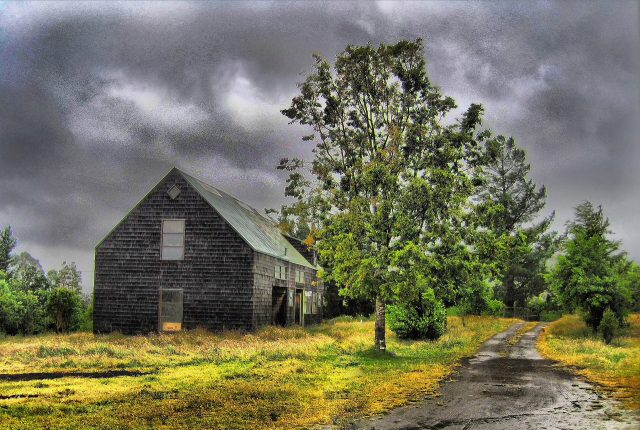
The Church of Chelín feels like a place where time has quietly settled, leaving behind the echoes of a distant past. Perched on a small island in the Chiloé Archipelago, it stands as a testament to a way of life shaped by the relentless Pacific winds and the isolation of these southern waters. The wooden churches of Chiloé, of which Chelín is one, are more than just architectural relics—they are living pieces of history, born from the meeting of European missionaries and the resilient communities that called these islands home.
Built in the late 19th century, the Church of Chelín belongs to the group of Chilote churches recognized by UNESCO as a World Heritage Site. What makes these structures remarkable is their construction—no nails were used, only wooden pegs and joints, a technique that has allowed them to withstand the test of time. The church, like others in the archipelago, was crafted from local timber, chosen for its ability to endure the damp, salty air and the fierce storms that sweep across the region.
The architecture follows the distinctive Chilote style: a steep gabled roof, a modest bell tower, and a simple yet sturdy facade. Inside, the space is divided into three naves, with an altar adorned by carved wooden saints. There’s no grandeur here, no ornate decorations—just a quiet functionality that feels warm and inviting. Over the years, the wood has darkened, taking on a rich patina that seems to whisper stories of the generations who have passed through its doors.
Chelín Island itself is little more than a speck of land in the Chacao Channel, the stretch of water separating Chiloé from mainland Chile. Life here moves at its own unhurried pace. The island’s few dozen residents fish, grow potatoes, and tend to their livestock, much as they have for centuries. There are no tourist crowds, no souvenir shops—just the church, the ocean, and the slow rhythm of island life. Visiting Chelín isn’t about ticking off a landmark; it’s about stepping into a place where the present feels deeply connected to the past.
The history of the church is intertwined with the arrival of Jesuit missionaries in the 17th century. They didn’t just bring Christianity—they wove it into the fabric of local traditions, creating a unique blend of beliefs. The churches became more than places of worship; they were community hubs where people gathered for festivals, meetings, and even legal disputes. The Church of Chelín, like its counterparts, was built by the hands of local craftsmen, who passed down their knowledge of wooden construction from one generation to the next.
Today, the church remains both a place of worship and a symbol of endurance. It has weathered earthquakes, storms, and the slow march of time, yet it stands almost as it did over a century ago. The surrounding landscape is one of rolling pastures where sheep graze, with the distant outlines of other islands visible on the horizon. To visit is to feel the weight of history in the air—the kind that lingers in the grain of the wood, in the sound of the wind through the eaves.
Reaching Chelín Island requires a short boat ride from Castro, the largest town on Chiloé. The journey takes about an hour, offering views of the channel’s choppy waters and the rugged coastline. Local fishermen often ferry passengers across, and the trip itself feels like a small adventure. There are no hotels on the island, but visitors can arrange to stay with families, who welcome guests with the easy hospitality of those accustomed to life on the edge of the world.
What makes the Church of Chelín special isn’t just its age or its architecture—it’s the sense of stillness that surrounds it. There’s no rush here, no need to fill the silence with noise. You can sit by the shore, listen to the waves, and think about how much of the world is held together by simple, enduring things: faith, tradition, and the quiet strength of wood that has stood firm against the wind for over a hundred years.