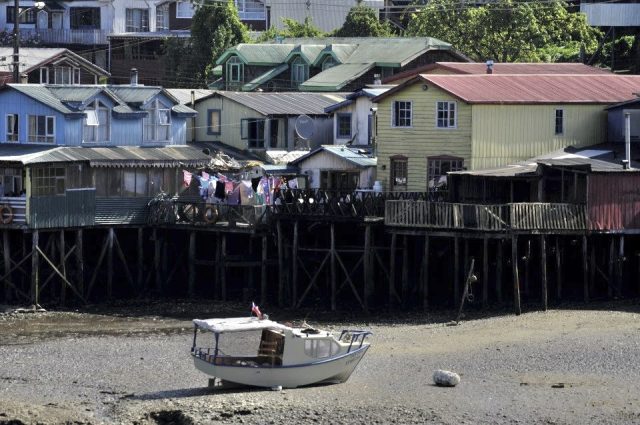
The Museum of Modern Art of Chiloé feels like a quiet conversation between the island’s soul and the restless energy of contemporary art. Tucked away in Castro, the largest town on the Chiloé Archipelago, it stands out not because it’s loud or flashy, but because it fits so naturally into the landscape—almost as if it has always been there. The town itself is a place of contrasts, where brightly painted stilt houses lean over the water and UNESCO-listed wooden churches share the streets with fishermen mending their nets. The museum doesn’t compete with any of this; instead, it offers a different way of seeing the island, one that’s rooted in its past but unafraid to ask new questions.
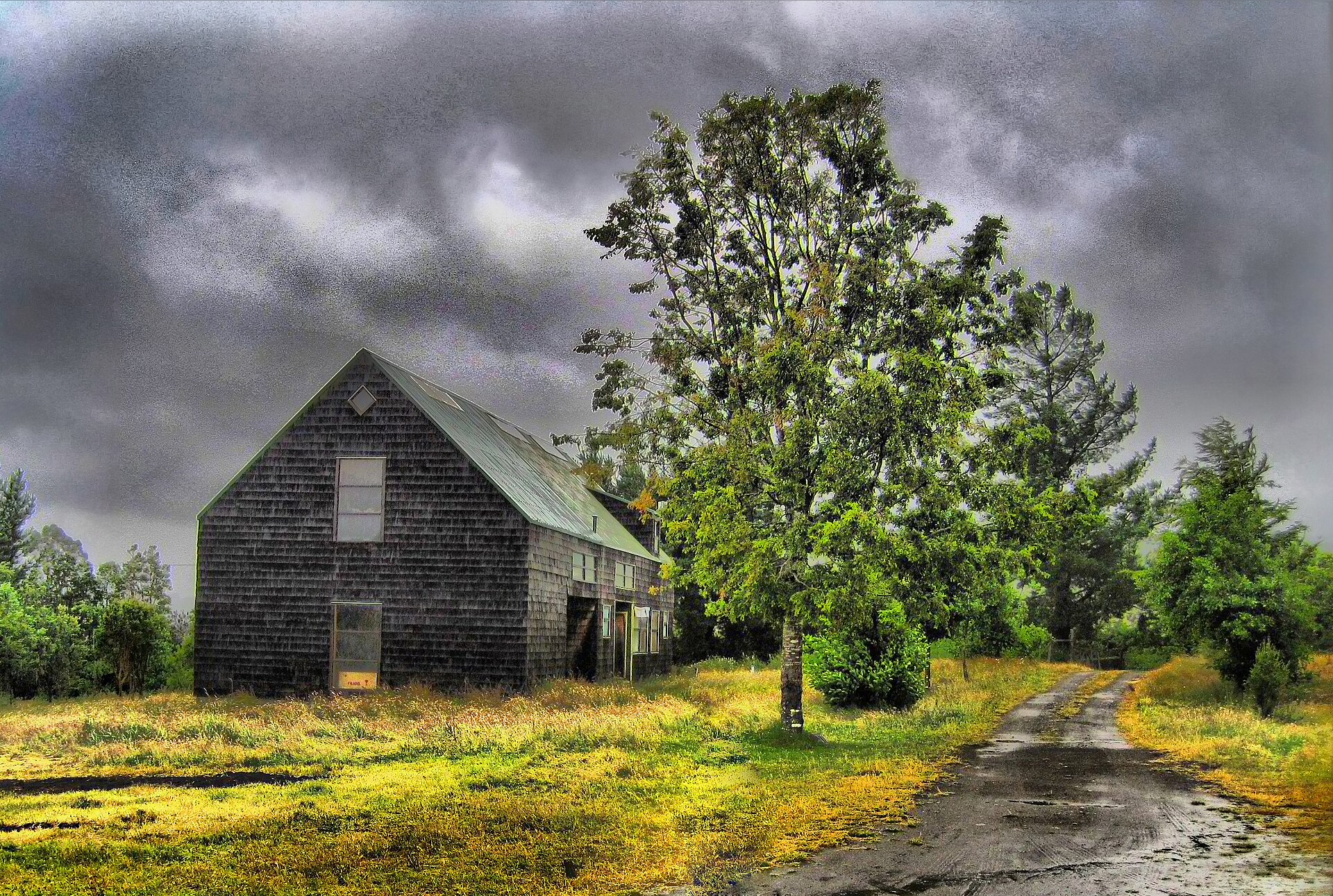
The building is as much a part of the experience as the art inside. Designed by Chilean architect Edward Rojas in 1988, it blends modern materials with the island’s traditional wooden architecture in a way that feels effortless. The structure seems to grow from the ground, its glass and metal elements reflecting the light in a way that makes the space feel open yet intimate. Large windows frame views of the surrounding hills and water, so even when you’re inside, you’re never completely separated from the world outside. The play of light and shadow on the wooden walls gives the place a living quality, as if the building itself is breathing.
The collection is small but deliberate, focusing on Chilean artists from the mid-20th century to today, many of whom have ties to Chiloé. There are no blockbuster names here, no works that demand reverence just because of their fame. Instead, the art speaks in a language that feels familiar to anyone who knows the island—the misty seascapes, the myths of the *trauco* and *pincoya*, the quiet rhythm of life in a place where the sea is never far away. Some pieces explore the unique wooden architecture of Chiloé, a tradition so distinct it’s recognized by UNESCO. Others capture the everyday: a fisherman’s hands, the curve of a boat’s hull, the way rain blurs the edges of the world. It’s art that doesn’t just depict the island but tries to understand it.
What makes the museum special is how it refuses to be just a place for looking. It’s a space for doing, for talking, for making. Workshops, lectures, and artist talks turn it into a hub for the town’s creative life, a place where locals and visitors alike can engage with art in a way that feels personal. Sometimes the galleries hum with music, or a small performance spills into the corners of the room. For tourists, it’s a chance to see Chiloé not as a postcard but as a living, breathing place. For the people who call this island home, it’s a reminder that their stories matter—that art isn’t something distant or untouchable, but something that can be shaped by their own hands.
Chiloé is a place where reality and myth blur, where the past isn’t just remembered but felt in the damp air and the creak of wooden houses. The museum slips into this world without fanfare, offering a perspective that’s both gentle and revealing. It doesn’t try to be the main attraction of Castro; instead, it’s more like a thoughtful companion, the kind that points out details you might have missed. After walking through the galleries, the island’s textures—the grain of the wood in the old churches, the shifting colors of the sea, the way people move through the streets—suddenly seem richer, as if you’re seeing them through someone else’s eyes.
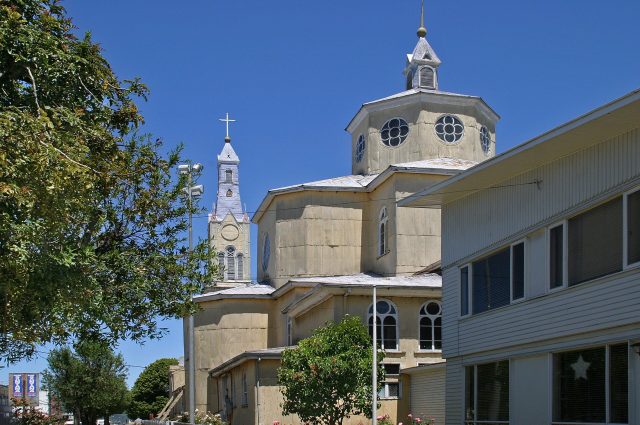
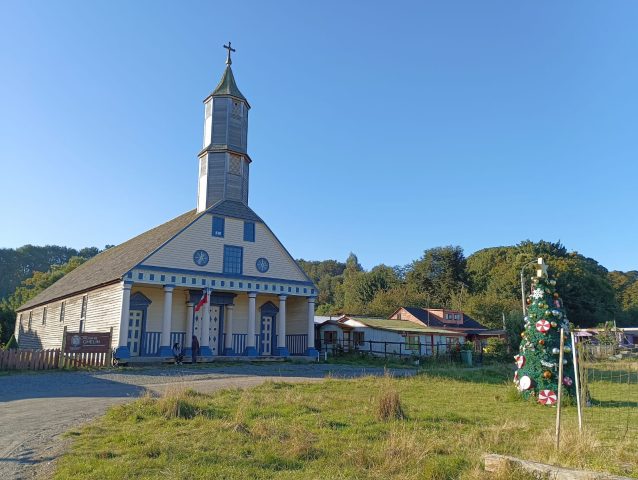
Castro is a town of layers. The vivid *palafitos* (stilt houses) stand alongside 18th-century churches, while modern buildings and tourist cafés share the waterfront with fishing boats. The museum acts as a bridge between these different worlds, a place where the old and the new coexist without tension. It’s a reminder that art doesn’t have to be confined to grand cities or famous galleries. Here, at what feels like the edge of the world, surrounded by rain and the sound of waves, it thrives just as meaningfully. The museum doesn’t just display art; it shows how art can belong to a place, how it can grow from the same soil as the people who live there.
A visit here won’t take up your whole day, but it might change the way you see the island. There’s something about the way the art and the space come together that feels honest, as if the museum isn’t trying to impress you but simply to share something real. Afterward, you can step outside and let the town pull you back into its rhythm—maybe stopping for a slice of pizza at a local spot or wandering along the waterfront, watching the boats come and go. The museum doesn’t just house paintings and sculptures; it helps you see Chiloé for what it is: a place of quiet beauty, where every corner holds a story, and where art isn’t separate from life but a part of it.