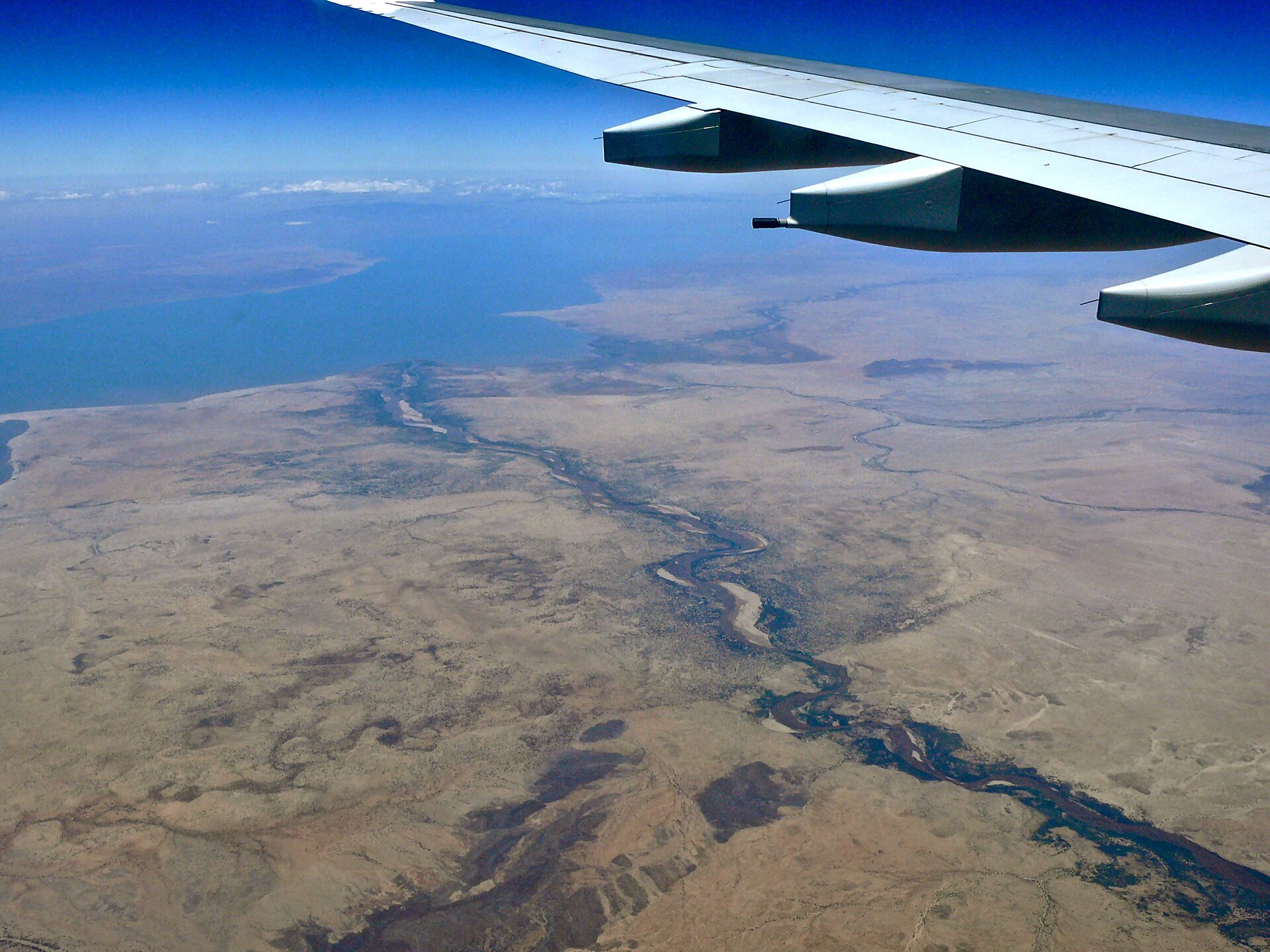
Lake Turkana is a place where time seems to stand still, a vast inland sea stretching across Kenya’s arid north. The landscape here is one of extremes—endless horizons of sunbaked earth, where the wind sculpts the dunes and the heat shimmers over the water. The lake itself is a striking shade of turquoise, its surface often rippling under the relentless sun. Locals know it as Anyaang, a name that translates to "the place where winds meet," and indeed, the breezes here carry the scent of dust and distant rain, though the land itself rarely sees either.
This is the world’s largest permanent desert lake, a body of water so vast it feels more like an ocean. Stretching nearly three hundred kilometers from north to south, its shores are a mix of jagged volcanic outcrops and sweeping sandy bays. The water is brackish, thick with minerals that give it a faint metallic tang, yet it remains drinkable—a lifeline in a region where fresh water is scarce. The Omo River, flowing down from Ethiopia, is the lake’s main source, but even its steady flow hasn’t been enough to stop Turkana from shrinking. Over the decades, the water level has dropped, exposing ancient shorelines and altering the contours of the land in ways that feel almost visible to the naked eye.
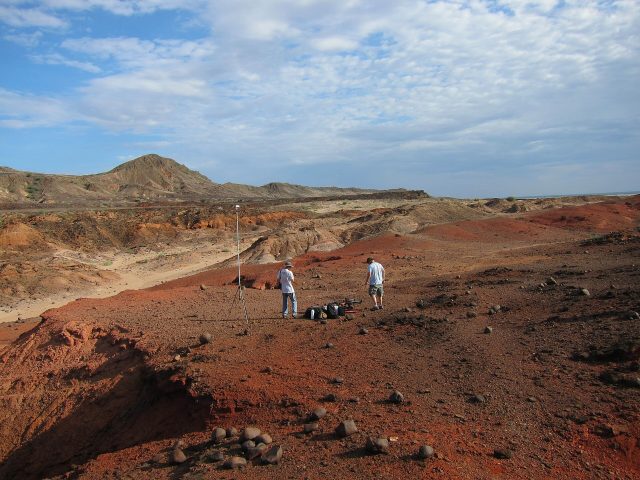
What makes Turkana extraordinary isn’t just its geography, but its place in human history. The lake and its surroundings are often called the "cradle of mankind," a title earned by the fossils unearthed here. Among them is the Turkana Boy, a nearly complete skeleton of a young hominid dating back 1.6 million years. His discovery, along with others, has reshaped our understanding of human evolution, turning the lake’s shores into an open-air museum for anthropologists. Today, research teams still work in the area, though most visitors encounter something far more immediate—the living traditions of the people who call this harsh land home.
The communities along Turkana’s shores have adapted to its challenges in ways that feel almost timeless. The Turkana, Samburu, and El Molo peoples have lived here for generations, relying on the lake for fish, water, and grazing land for their livestock. The El Molo, in particular, are known for their fishing skills, using papyrus boats that have changed little over centuries. Their catch—often massive Nile perch—is a staple, though the waters are also home to crocodiles, which the locals regard with a mix of caution and respect. Life here moves to the rhythm of the seasons, with migrations, fishing expeditions, and rituals marking the passage of time.
The landscape around Turkana is as dramatic as it is desolate. To the north, volcanic hills rise like ancient sentinels, while the southern shores are dominated by shifting dunes that creep across the land. The most striking feature, though, is Central Island, a volcanic formation in the middle of the lake. Its crater lakes are a haven for flamingos, which arrive in such numbers that their pink forms blur the horizon. The island is also home to active volcanic vents, a reminder of the forces that shaped this land. Reaching it is no small feat—the lake’s winds and currents make crossing unpredictable, and there’s little in the way of tourist infrastructure. Those who do make the journey are rewarded with a sense of isolation that’s increasingly rare in the world.
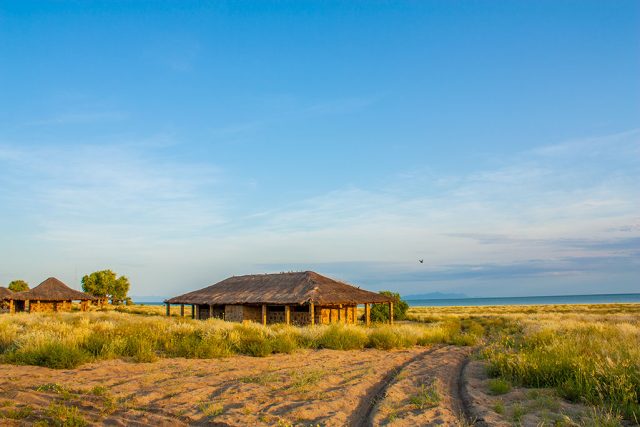
The climate here is unrelenting—hot by day, cool by night, with a dryness that seeps into everything. The best time to visit is between June and September, when temperatures ease slightly and the winds aren’t as fierce. Getting here is part of the experience, or perhaps the first challenge. The nearest town of any size is Lodwar, a dusty outpost where the road effectively ends. From there, the journey to the lake is a slow one, often by four-wheel drive over rough tracks that dissolve into nothing more than tire ruts in the sand. There are no paved roads, no signs, and few amenities—just the open land and the promise of something untouched.
For those who make the effort, Turkana offers a kind of travel that feels almost vanished elsewhere. There are no crowds, no resorts, no carefully curated experiences. Instead, there’s the quiet vastness of the lake, the way the light changes at dusk, turning the water from turquoise to gold. There’s the chance to camp on the shore, listening to the lap of waves against the sand, or to visit a village where life unfolds much as it has for centuries. The people here are welcoming but unobtrusive, their way of life shaped by the land in ways that feel both foreign and deeply familiar.
Turkana is a place that demands patience and curiosity. It’s not a destination for those seeking quick thrills or polished comforts, but for those willing to slow down, it reveals itself in layers. The lake is a UNESCO World Heritage Site, yet it remains wild, a place where nature still sets the rules. The fossils buried in its shores tell a story of human resilience, while the people living along its banks show what it means to adapt. It’s a reminder that some of the most profound experiences in travel come not from what you see, but from how a place makes you feel—small, perhaps, but connected to something far larger than yourself.