The Loyangalani National Museum isn’t the kind of place where history sits quietly behind glass, waiting to be observed. Instead, it unfolds through the stories of the people who still live here, the stark beauty of the landscape, and the quiet persistence of traditions that have endured for generations. Perched on the shores of Lake Turkana in Kenya’s arid north, the museum feels less like a repository of the past and more like a living extension of it—a place where the line between then and now blurs in the heat of the day and the flicker of evening fires.
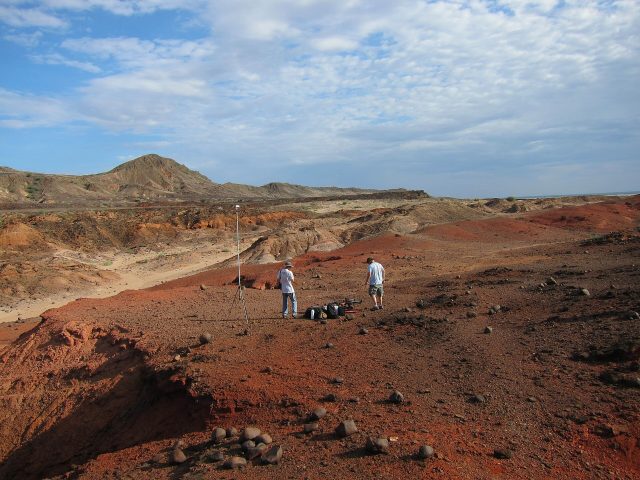
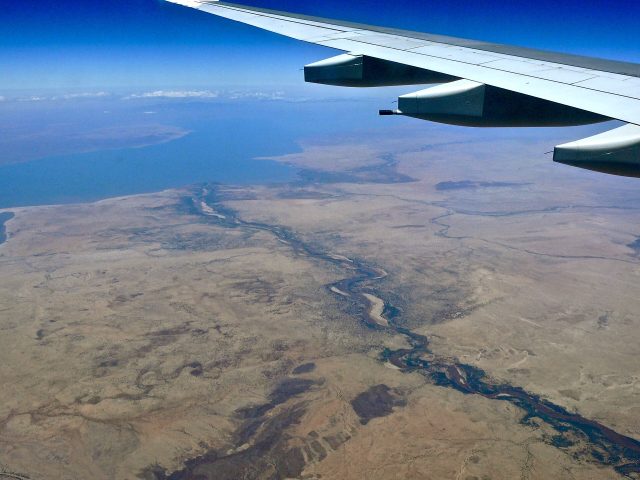
Lake Turkana itself is one of the oldest lakes on Earth, its waters holding secrets that stretch back millions of years. This is where some of the most significant archaeological discoveries have been made, including the fossilized remains of early hominids that reshaped our understanding of human evolution. While the most famous artifacts now reside in museums in Nairobi and beyond, Loyangalani offers something different: a sense of continuity. Here, the same landscapes that cradled those ancient bones still shape the lives of the Turkana, Samburu, El Molo, and other communities who call this harsh, beautiful region home.
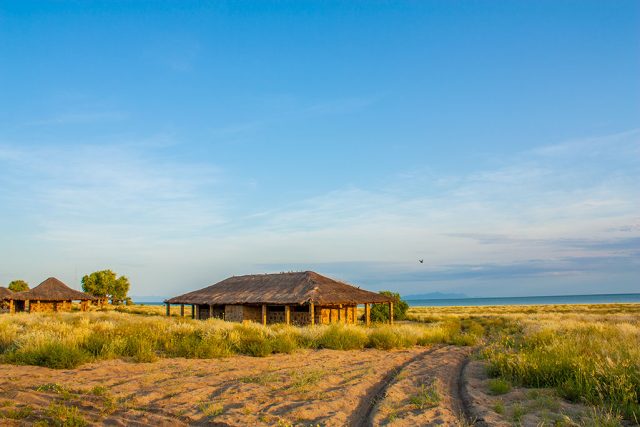
The museum’s architecture reflects this harmony with the land. Built from local stone and clay, with thatched roofs that echo traditional dwellings, the low-slung buildings blend seamlessly into the surroundings. Inside, the exhibits are modest but deliberate, focusing on the daily lives of the region’s ethnic groups. There are no flashy displays or digital screens—just the tools, textiles, and artifacts that have sustained people here for centuries. Leather cloaks intricately embroidered with beads, wooden carvings worn smooth by time, fishing nets woven from reeds: each item tells a story of adaptation in a place where survival has always depended on ingenuity.
One of the most compelling sections of the museum is dedicated to the El Molo, a community whose existence was once entirely tied to the lake. For generations, they relied on fishing, using simple reed boats to navigate Turkana’s waters and drying their catch in the relentless sun. Over time, their numbers dwindled, and their culture became intertwined with that of their neighbors, but traces of their way of life remain. The exhibits explore their traditions—how they preserved fish, how they navigated the lake’s shifting moods, and how their beliefs, including reverence for the spirits of the water, shaped their world. Nearby, displays delve into the broader spiritual life of the region, from rainmaking rituals to the trade in salt, a commodity once so valuable it was exchanged along ancient caravan routes.
Beyond the museum’s walls, Loyangalani is a village where life moves to its own rhythm. Visitors often stay for days, drawn not just by the exhibits but by the chance to sit with locals, share a meal of roasted goat or fresh fish, and listen to stories under a sky thick with stars. The surrounding landscape is a study in contrasts: the shimmering expanse of the lake against the parched earth, the slow procession of camels led by Turkana herders, the vibrant beads adorning women as they make their way to the village well. The museum acts as a bridge between outsiders and the community, offering workshops on basket weaving or beadwork, and occasionally hosting gatherings where traditional songs and dances bring the past to life.
Lake Turkana, known locally as the Jade Sea for its striking color, is as much a part of the museum’s story as any exhibit. In the dry season, when temperatures soar past forty degrees Celsius, the lake is the only respite from the heat. Fishermen set out at dawn, their boats dotting the water before the sun grows too fierce. By midday, the shore empties as people retreat into the shade of huts or the museum’s overhangs. But as evening falls, the lake transforms, its surface shifting from emerald to rose gold, and the village stirs back to life. Nets are mended, children play along the water’s edge, and the scent of woodsmoke drifts through the air.
This isn’t a place for hurried visits or selfie stops. There are no crowds, no souvenir stalls, no guides rushing you along. Loyangalani exists at its own pace, a quiet corner of Kenya where time feels suspended. The museum doesn’t just present history—it immerses you in it, not through dates or plaques, but through the sensory details that linger: the crackle of a fire, the rustle of reeds in the wind, the laughter of women sorting fish on the shore. For those who come here, the experience is less about learning and more about witnessing a way of life that has remained remarkably unchanged.
That, perhaps, is the museum’s greatest gift. It doesn’t offer grand narratives or polished exhibits, but something far more rare: a glimpse into a world where the past isn’t confined to memory, but lives on in the daily rituals of the people who still depend on the land and the lake. In a place like this, history isn’t something you read about—it’s something you feel.