Koobi Fora is where the earth keeps its oldest secrets, and every stone might hold a piece of humanity’s story. Tucked away in Kenya’s remote north, near the small town of Lodwar, this windswept expanse along the shores of Lake Turkana is one of the most important paleoanthropological sites in the world. Here, in the sunbaked silence, scientists have uncovered fossils of our earliest ancestors—remains dating back millions of years. These discoveries reshaped our understanding of where and how human life began, drawing researchers from across the globe to this harsh yet hauntingly beautiful corner of Africa.
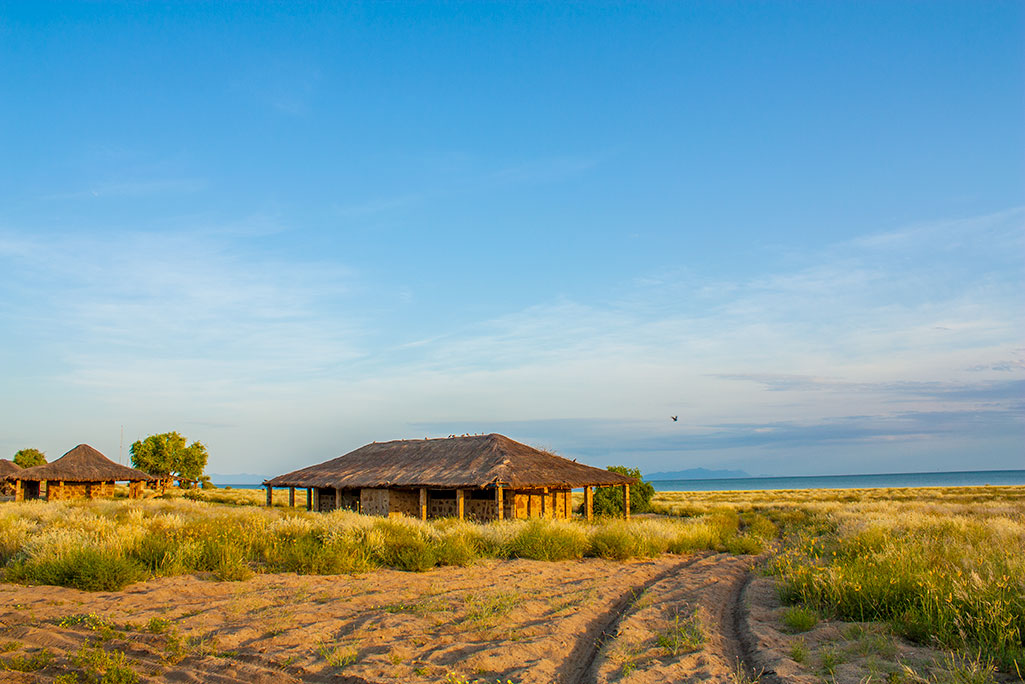
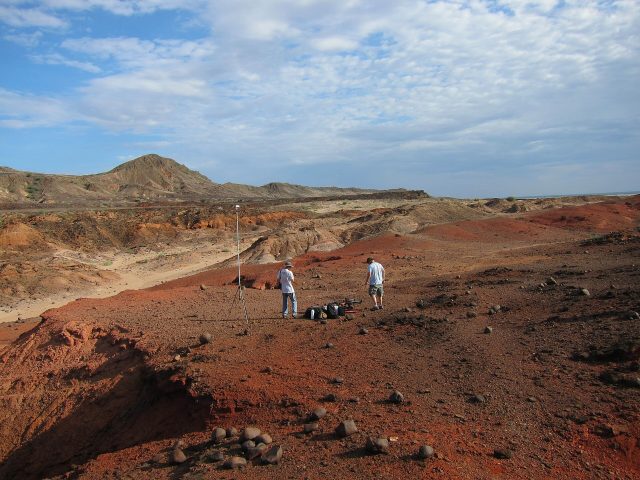
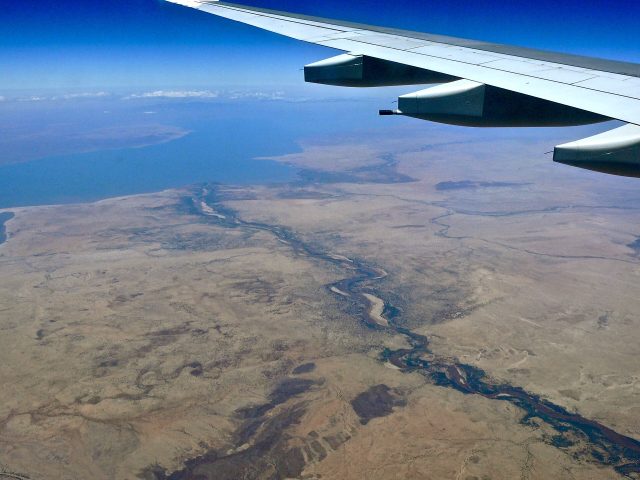
The landscape of Koobi Fora is stark and unforgiving, yet strangely mesmerizing. Endless stretches of desert give way to scattered patches of greenery, while the scorched rocks and dusty trails make it feel as if time itself has stood still. Lake Turkana, the largest desert lake on the planet, adds a touch of eerie beauty to the scene. Its waters shimmer in an unusual turquoise hue, a result of mineral deposits that contrast sharply with the golden-brown tones of the surrounding desert. It’s hard to imagine that millions of years ago, this place teemed with life—rivers flowed, forests thrived, and early hominids roamed its shores.
The story of Koobi Fora’s exploration began in the 1960s, when a team of paleontologists led by Richard Leakey stumbled upon the first fossils. Since then, over 160 remains of ancient humans have been unearthed here, including the famous "Skull 1470," estimated to be nearly two million years old. These fossils belong to species like Homo habilis and Homo erectus—our distant ancestors who were already crafting tools and venturing into new territories. Koobi Fora became a crucial piece of the puzzle in understanding human evolution, revealing that different hominid species once coexisted in the same region.
Archaeological work continues at Koobi Fora today, though access is tightly controlled. The site is a protected national monument, and visiting requires special permission. This isn’t a typical tourist destination—there are no museums, souvenir shops, or guided tours. Those who make the journey come not for entertainment, but for the chance to stand where human history began. Traveling here is more like an expedition, demanding preparation and a deep respect for the fragile legacy buried beneath the sand.
Unlike better-known archaeological sites, such as Tanzania’s Olduvai Gorge, Koobi Fora remains largely unknown to the general public. There’s no infrastructure for mass tourism, and the journey from Lodwar takes hours over rough terrain. The climate can be extreme, with blistering heat and little shade. Yet for those who venture here, the reward is a rare sense of discovery. There are no crowds, just the quiet of the desert, the whisper of the wind, and the feeling that you’re standing at the edge of something profound.
Koobi Fora’s significance extends beyond paleontology. It’s a reminder of how fragile and extraordinary human history truly is. Millions of years ago, our ancestors lived in this harsh land, struggling to survive, learning to make tools, and perhaps even pondering their place in the world. Today, their remains help us trace our origins and measure how far we’ve come. At the same time, Koobi Fora is a humbling reminder that nature still holds countless mysteries, and who knows what other discoveries lie waiting beneath the surface.
For the local Turkana people, Koobi Fora is more than an archaeological site—it’s part of their cultural heritage. They’ve lived in harmony with this land for centuries, preserving traditions and knowledge passed down through generations. Their stories of ancestral spirits and ancient legends intertwine with scientific findings, adding another layer to the site’s mystique. Meeting the Turkana can be one of the most memorable parts of a visit, as they share tales that no textbook could ever capture.
A trip to Koobi Fora isn’t just a visit—it’s a journey through time. Here, every rock and crack in the earth might tell a story that began long before modern civilization. The place forces you to reflect on what it means to be human and what legacy we’ll leave behind. In a world that changes at breakneck speed, Koobi Fora remains a quiet monument to our origins, a reminder that human history is a story of constant searching and discovery.