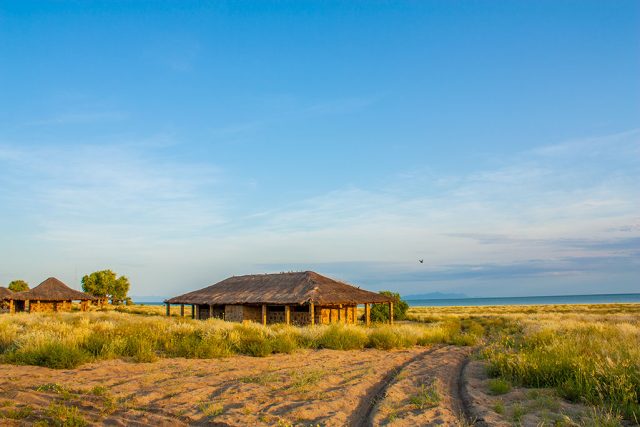
Mount Kulal rises in northern Kenya, not far from the town of Lodwar, where paved roads give way to something far removed from the usual tourist trails. There’s no crowd here, no souvenir stalls, no signs pointing the way at every turn. Kulal is quiet, the air thick with heat, a place that feels like the edge of the world, where time moves slower and the horizon stretches endlessly.
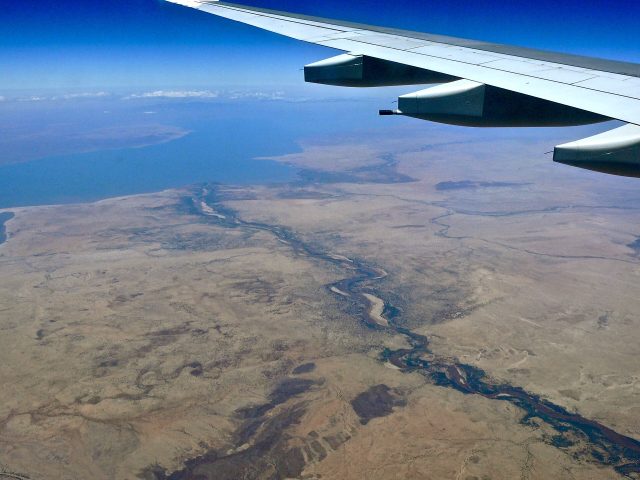
The mountain itself is an extinct volcano, one of many along the East African Rift. Its slopes are covered in sparse vegetation that thrives in the dry climate—thorny shrubs, acacia trees, and tough grasses that survive even the harshest months. By mountain standards, Kulal isn’t particularly tall, but in this region of vast plains, it stands out, commanding the landscape. From its heights, you can see Lake Turkana, one of the largest desert lakes in the world, surrounded by barren expanses that seem to go on forever.
For the local Turkana people, Kulal is sacred. It’s not just a mountain but a place where the spirits of ancestors reside, where important decisions are made and rituals performed. Elders say that the first people of their tribe once lived here, that their history began on these slopes. Even today, you might come across herders bringing their livestock to drink from the rare springs or women gathering medicinal plants at the base. To them, the mountain is alive, and it demands respect.
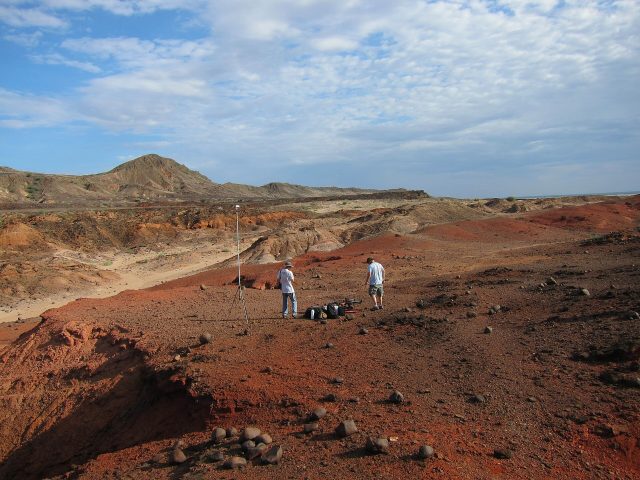
Beyond its cultural significance, Kulal is a geological wonder. The volcanic rock that forms it holds traces of ancient eruptions from millions of years ago. Scientists have found fossils here that help piece together the story of the continent’s formation. For those interested in geology, the mountain’s slopes are like an open-air museum, where every stone has a story to tell about Earth’s distant past. Reaching the most interesting spots requires a long trek over rocky terrain, but those who make the effort rarely regret it.
The weather here is harsh. Days can reach scorching temperatures, while nights turn sharply cold. Rain is rare, and when it does fall, it’s cause for celebration. The water quickly soaks into the ground, but for a brief time, the desert comes alive—grasses turn green, and animals gather at temporary watering holes. In those moments, Kulal transforms, and even the most skeptical travelers begin to understand why this place means so much to the people who call it home.
Climbing to the summit is possible for anyone willing to take on the challenge. There’s no marked trail, just loose rocks and shifting soil, but the views make it worthwhile. At the top, the wind is stronger, and the clouds feel close enough to touch. From here, Lake Turkana shimmers in the sunlight, while in the distance, other volcanoes rise like silent guardians of this remote corner of Africa. Those who have stood here often say that Kulal isn’t just a mountain to climb—it’s a place for reflection, a reminder of how fragile and yet how powerful the world can be.
In recent years, more travelers have begun seeking out Kulal, drawn by its solitude and the promise of something different. But there’s little infrastructure here. To visit, you’ll need to arrange things in advance with local guides who know the terrain and can ensure safety. This isn’t a place for spontaneous trips, but those who plan ahead get to see a side of Kenya that most never do—far from safari jeeps and air-conditioned lodges.
Kulal is a place where you can feel the pulse of ancient Africa. There’s no luxury, no comfort, just something far more valuable: authenticity. This is a mountain that doesn’t try to impress visitors, that simply exists as it has for thousands of years. And perhaps that’s why it stays with you long after you’ve left.