Lake Taupo sits in the heart of New Zealand’s North Island like a secret too vast to keep. Stretching over six hundred square kilometres, it feels less like a lake and more like an inland sea—so wide that the opposite shore often blurs into the horizon, lost in the same haze that softens the edges of the ocean. On clear days, the water takes on a shade of blue so deep and luminous it seems almost unreal, as if the sky itself had dissolved into the lake. But Taupo is far more than a postcard view. It’s a place where the earth still breathes, where the past lingers in the steam rising from hidden vents and the quiet tremors beneath the surface.
The lake was born from catastrophe. Around twenty-six and a half thousand years ago, one of the most violent volcanic eruptions in recorded history tore through the land, leaving behind a gaping caldera where Mount Taupo once stood. The explosion was so powerful that ash and pumice from the blast have been found as far away as Antarctica. Over time, the hollowed-out earth filled with water, creating the lake we see today—over a hundred and eighty metres deep in places, its bed still warmed by geothermal springs. The volcanic forces that shaped Taupo never truly slept. Just north of the lake, the Waiotapu geothermal area bubbles with activity, its rainbow-coloured mineral pools and erupting geysers a reminder that the land here is still very much alive.
The lake is cradled by a landscape of rolling green hills and dense forests, their slopes descending gently toward the water. To the south, the snow-capped peak of Mount Ruapehu rises above the horizon, the highest point on the North Island. In winter, its slopes become a playground for skiers and snowboarders, while in summer, hikers take to its trails, drawn by the promise of alpine meadows and panoramic views. But you don’t need to venture into the mountains to feel the pull of the land. The shoreline is a patchwork of sandy beaches and secluded coves, where locals often spend weekends fishing, kayaking, or simply watching the light change over the water. The air carries the scent of pine and damp earth, mingling with the faint tang of sulphur from distant hot springs.
The town of Taupo, nestled on the northeastern shore, is small but lively, a hub for those who come to escape the pace of bigger cities. There’s no rush here, just a quiet rhythm of life centred around the lake. The waterfront is the heart of the town, where people gather in the evenings to watch the sunset paint the water in shades of gold and rose. Cafés and restaurants line the streets, serving fresh trout caught in the lake’s clear waters, its flavour subtly influenced by the minerals that seep from the earth below. Nearby, geothermal parks offer a glimpse into the raw power beneath the surface—boiling mud pools and hissing steam vents that feel almost otherworldly.
For the Māori, Taupo is a place of deep significance, woven into stories that have been passed down for generations. One legend tells of the chief Ngātoro-i-rangi, who arrived by waka (canoe) and climbed Mount Tauhara to call upon the fires of his distant homeland, Hawaiki. His prayers were answered with an eruption, a sign that the gods had heard him. Today, the lake remains a spiritual touchstone for Māori, with several marae (traditional meeting grounds) scattered along its shores. Some welcome visitors, offering a chance to learn about the culture that has shaped this land for centuries. The connection between the people and the place is palpable, a quiet understanding that this is more than just a destination—it’s a living part of their identity.
The water in Lake Taupo is famously clear, so much so that it’s often ranked among the cleanest in the world. It’s also home to rainbow trout, introduced in the late nineteenth century, which have since become a cornerstone of the local way of life. Fishing here isn’t just a pastime; it’s a tradition, with guides taking visitors out on boats to cast lines into the deep. The town even hosts fly-fishing competitions, drawing enthusiasts from around the globe. But you don’t need to be an angler to appreciate the lake’s bounty. The trout, with its delicate, mineral-tinged flesh, is a staple in local restaurants, best enjoyed with a glass of wine and a view of the water.
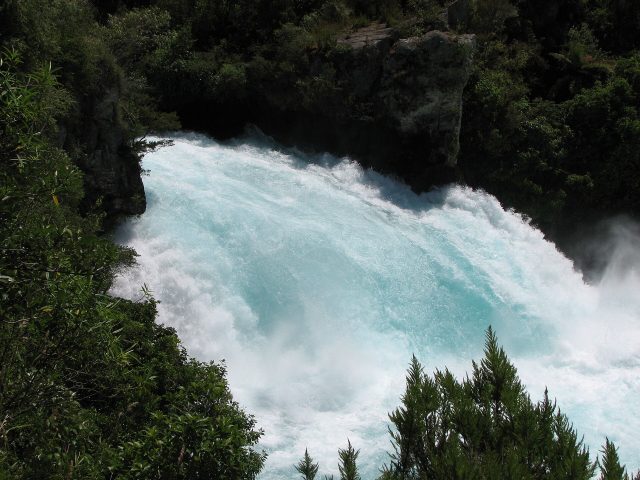
Taupo is also a gateway to some of the North Island’s most striking landscapes. A short drive away lies Tongariro National Park, home to the Tongariro Alpine Crossing, often called one of the best day hikes in the world. The trail winds through volcanic valleys, past emerald lakes and steaming vents, culminating in a climb to a ridge with views of three active volcanoes. For those who prefer shorter walks, the area around Taupo offers plenty of options—waterfalls hidden in the bush, caves carved by ancient rivers, and lookout points where the lake stretches out like a vast blue mirror.
In winter, the region takes on a different kind of beauty. Snow dusts the mountains, and the lake’s surface becomes even more still, reflecting the white peaks above. While skiers and snowboarders flock to the slopes of Ruapehu, others come simply to enjoy the quiet. There’s something magical about walking through a forest blanketed in snow, the only sound the crunch of footsteps on frozen ground. Back in town, cafés hum with warmth, their fireplaces crackling as people sip hot drinks and watch the snowfall soften the edges of the lake.
What makes Taupo special isn’t just its size or its scenery, but the way it feels. There’s a sense of timelessness here, a quiet that isn’t empty but full—of the wind moving over the water, of the distant call of birds, of the slow, steady pulse of the earth beneath your feet. It’s a place that doesn’t demand attention but rewards those who take the time to look. Perhaps that’s why it has drawn people for centuries, from the Māori who first made it their home to the travellers who return year after year. There’s a reason they say Taupo isn’t just a place you visit, but one you carry with you.