Tongariro National Park is where New Zealand’s raw, untamed beauty reveals itself in its most dramatic form. Nestled in the heart of the North Island, it was the country’s first national park and only the third in the world when it was established in the late 1800s. The landscape here is a restless one—volcanic peaks rise abruptly from the earth, their slopes carved by glaciers and dotted with lakes that shift in color with the seasons. It’s a place where the ground feels alive, where the air carries the scent of sulfur and the distant rumble of geothermal activity serves as a reminder that this land is still being shaped by forces far greater than human hands. For the Māori people, Tongariro is more than just a park; it’s a sacred landscape, woven into their history, their legends, and their identity.
At the center of the park stand three volcanoes, each with its own character. Ruapehu, the tallest peak on the North Island, is an active giant, its crater home to a lake that steams and shifts with the moods of the mountain. Ngauruhoe, though younger than its neighbors, is perhaps the most recognizable—its perfect cone was immortalized on screen as Mount Doom in *The Lord of the Rings*. Then there’s Tongariro itself, the oldest of the three, its slopes steeped in Māori mythology. These aren’t just geological formations; they’re living entities, revered and respected by those who have walked their paths for centuries.
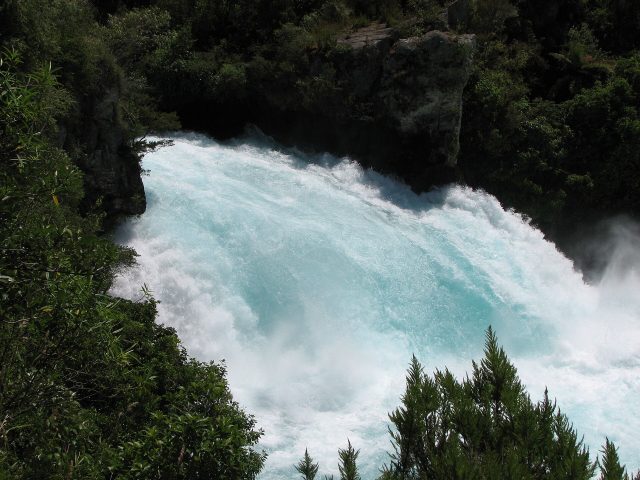
Beyond the fire and rock, water plays its own role in shaping the park’s identity. Crater lakes, formed in the hollows of long-dormant volcanoes, glow in hues that seem almost unnatural—turquoise, emerald, even deep crimson, depending on the minerals dissolved in their depths. The most famous of these is Emerald Lakes, a trio of pools so vivid they look like something from another world. The water is startlingly clear, its surface reflecting the stark contrast of the surrounding lava fields. Nearby, hot springs bubble up from the earth, offering warmth to weary hikers, though swimming is discouraged—their temperatures and chemical compositions can be unpredictable.
For those who love to walk, Tongariro is a paradise. The park’s trails range from gentle strolls to multi-day treks, but the most celebrated is the Tongariro Alpine Crossing. Often called the best day hike in the world, this nineteen-kilometer route winds through some of the park’s most iconic landscapes—steaming vents, ancient lava flows, and the surreal beauty of the Emerald Lakes. The climb to the summit of Ngauruhoe or Ruapehu is a challenge reserved for experienced hikers, but the reward is a view that stays with you long after you’ve descended. On clear days, the horizon stretches endlessly, a patchwork of volcanic rock, alpine meadows, and distant peaks.
When winter arrives, the park transforms. Ruapehu becomes the heart of the North Island’s skiing scene, its slopes blanketed in snow from June to October. Even in summer, patches of snow linger on the highest peaks, a reminder of the mountain’s ever-changing moods. For the Māori, the snow isn’t just a seasonal phenomenon—it’s part of a sacred cycle, a symbol of renewal and impermanence. Winter draws skiers and snowboarders, but also those who simply want to see the volcanoes draped in white, their dark rock faces standing in stark contrast to the snow.
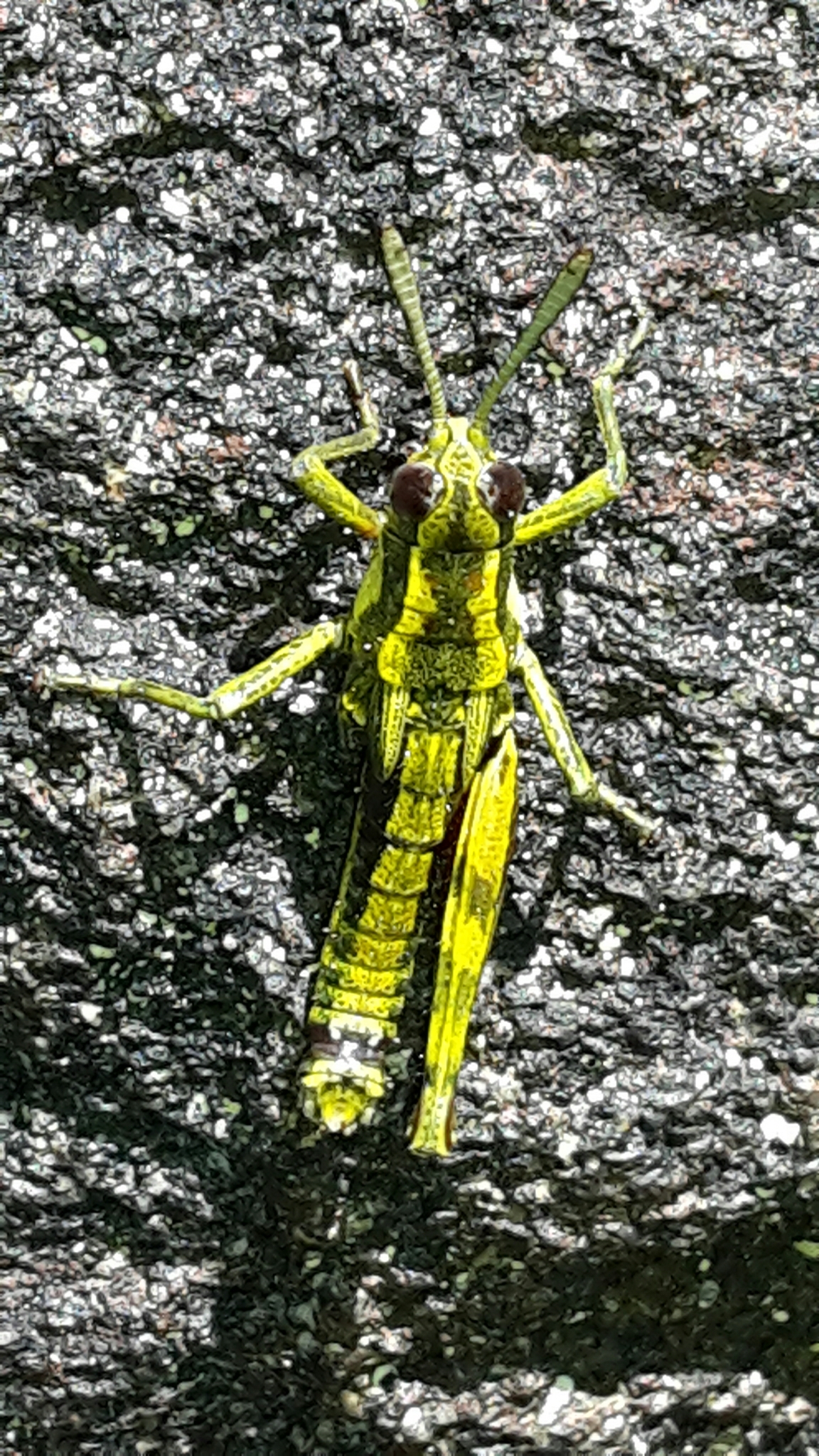
The park’s flora and fauna have adapted to its harsh conditions in remarkable ways. Hardy shrubs and mosses cling to the volcanic soil, while alpine flowers bloom briefly in the short summers. In the forests, native birds like the kiwi and the kea—the world’s only alpine parrot—make their homes. Kea, in particular, are known for their intelligence and curiosity, often approaching hikers with a mix of boldness and mischief. The lakes are home to trout, drawing anglers from around the world, though fishing here is tightly regulated to protect the delicate ecosystem. Tongariro isn’t a static landscape; it’s a living, breathing world where every plant and animal has found a way to thrive in this rugged environment.
Beyond its natural wonders, Tongariro is a place where history and myth intertwine. For the Māori, these lands are sacred, tied to stories of gods, ancestors, and the creation of the world. One legend tells of the chief Ngātoro-i-rangi, who climbed Tongariro and called upon the fire gods to warm his people. To this day, the volcanoes are seen not just as mountains, but as living beings, deserving of respect and reverence. Visitors are often struck by the sense of spirituality that lingers in the air, a quiet reminder that this land has been cherished for generations.
There’s no luxury here, no grand resorts or crowded tourist traps. Tongariro is a place that demands something from those who visit—respect for the land, for its history, and for the people who have called it home for centuries. It’s not a destination for those seeking easy comforts or quick thrills. Instead, it offers something far more rewarding: the chance to stand in a landscape that feels untouched by time, where the earth’s power is on full display. Whether you come to hike, to ski, or simply to gaze at the mountains, Tongariro leaves an impression that lingers long after you’ve left. It’s a reminder of how small we are in the face of nature’s grandeur—and how lucky we are to witness it.