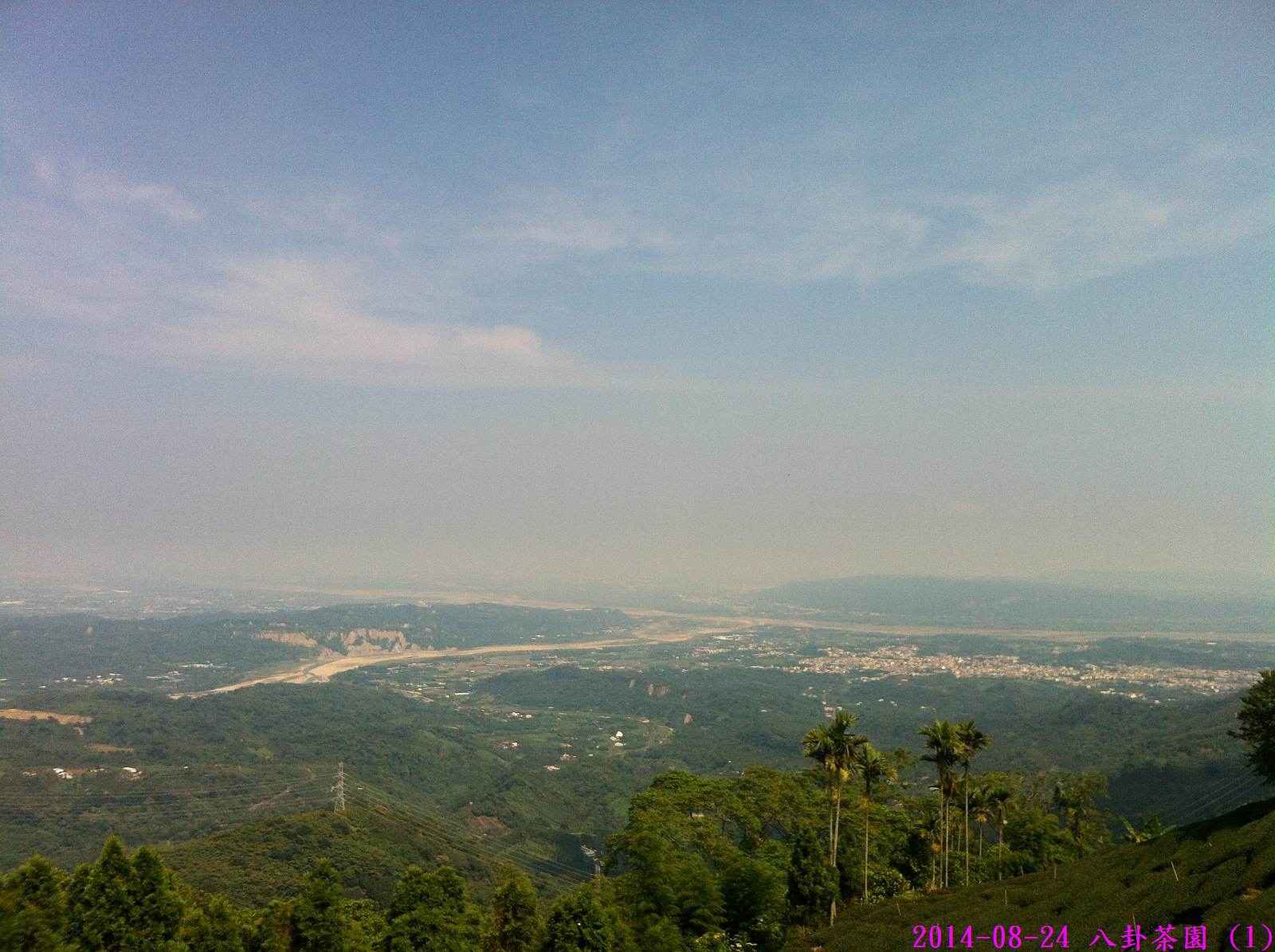
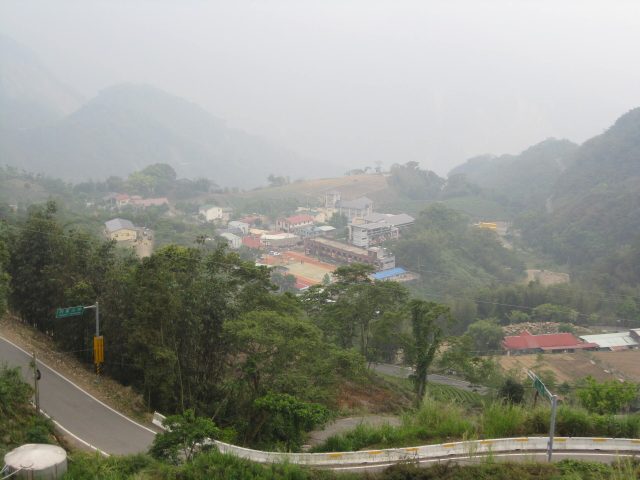
Jhushan Lake is one of those rare places in Taiwan where the landscape feels composed, as if nature arranged every shade of green. Tucked in the Shuishan Mountain area near Nantou, it sits surrounded by low, forested hills. The water is clear, with a bluish tint that shifts with the light, while the shores are lined with bamboo and wild grasses.
Locals call it the "emerald lake." On a bright day, the reflection of the mountains on the water resembles a polished gemstone.
The lake’s history is tied to the region’s development. In the early 20th century, during Japan’s occupation of Taiwan, the first trails were carved into the area. The Japanese recognized its potential and laid out paths still in use today. Later, under the Nationalist government, Jhushan became a retreat for officials before opening to the public. Now, it’s a spot for picnics, walks, and photography, especially for those in central Taiwan.
There’s little grand architecture here—Jhushan is valued for its natural beauty. Along the shore, you’ll find a few traditional pavilions built from wood and stone, offering shelter. One sits on a small promontory, providing the best view of the lake. Artists and photographers gather here to capture the way light plays on the water. These structures blend into the landscape, adding to the quiet harmony.
The lake is shallow, with a maximum depth of just over five meters. The water stays cool even in summer, though swimming isn’t common. People come to sit by the shore, listen to birdsong, or cycle along the trails. A three-kilometer path circles the lake, with benches placed along the way for rest. Informational signs describe the local flora and fauna.
The area around Jhushan is rich in plant and animal life. Evergreen oaks, camphor trees, and bamboo thrive in the forests. Carp and other freshwater fish swim in the lake. In spring and autumn, migratory birds stop here, drawing birdwatchers. Summer brings lotus flowers blooming in small inlets near the shore. Locals gather their seeds and leaves for traditional dishes. The air feels cleaner here, especially in the early morning when mist clings to the water.
Jhushan hasn’t become a crowded tourist hub. There are no souvenir stalls or loud attractions—just the quiet hum of nature. It’s a place for those seeking stillness, an escape from city noise. Many visitors bring tea and a simple meal, spending the day by the water with friends or family. The pace here is slow.
Spring and early autumn are the best seasons to visit. Summers can be hot and humid, while winters are cool but never cold enough for snow. Getting here takes an hour’s drive from Nantou or a bus ride from the city. Parking is available near the lake, though spaces fill up quickly on weekends.
Jhushan is part of a larger ecosystem that includes the surrounding mountains and forests. Nearby trails lead to waterfalls and viewpoints. One popular route takes you to Jiulong Waterfall, a twenty-meter cascade that forms a small pool at its base. The walk there winds through dense greenery, and the sound of rushing water grows louder as you approach.
For those who want to stay longer, Shuishan has small guesthouses and inns. They’re simple but comfortable, often with views of the lake or mountains. The local cuisine includes dishes made with fresh vegetables, fish, and game, along with traditional Taiwanese sweets. At the lakeside cafés, you can sample tea grown on the surrounding hills.
Jhushan doesn’t demand attention or promise grand spectacles. It’s a quiet place, valued for its simplicity. You don’t need to follow a set path—just sitting by the water, watching how the light changes, is enough. Maybe that’s its appeal: it doesn’t ask for anything, just offers a moment of peace.