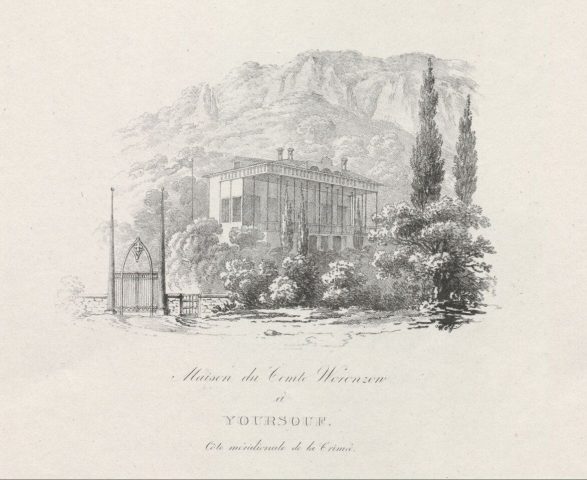
The Guchkov Manor in Gurzuf is one of those places where time feels paused. Built in the early 20th century, this house carries the history of Crimea’s southern coast, shaped by those who lived here. It still stands, a quiet witness to the changes that have swept through the peninsula, drawing visitors who want more than just scenery—they come for the past.
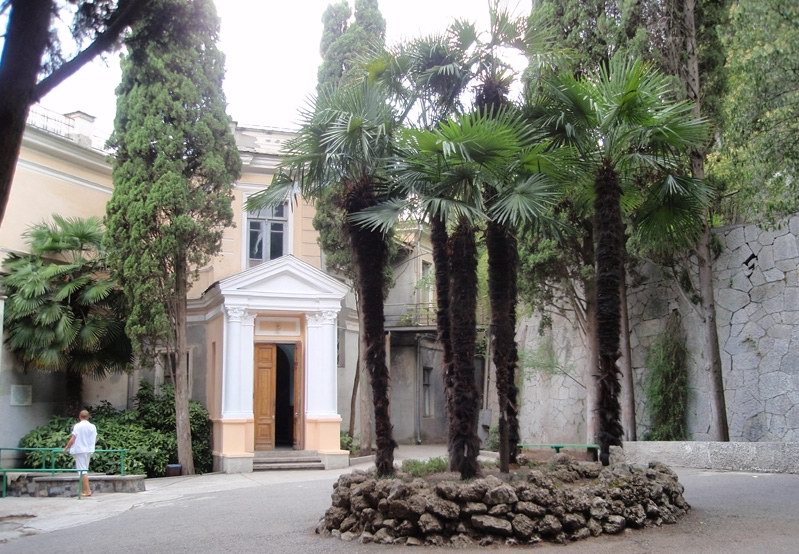
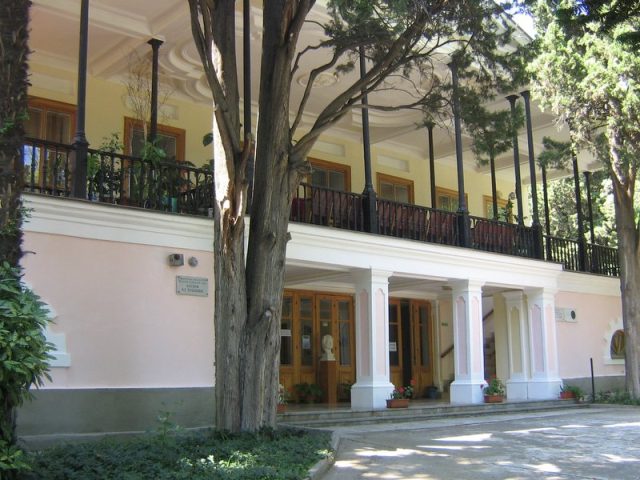
The manor’s architecture mixes styles common to Crimean summer estates of its time. Art Nouveau details blend with traditional design: ornate cornices, delicate balconies, and large windows that let in light. The original layout is lost, but descriptions suggest it was built for comfort, a must in the region’s heat.
The Guchkov family owned the manor. They were prominent entrepreneurs and public figures in pre-revolutionary Russia. Alexander Guchkov, the most notable member, served as chairman of the State Duma and later as Minister of Trade and Industry in the Provisional Government. Like other elites from Moscow and St. Petersburg, the Guchkovs spent summers in Gurzuf, escaping the capital’s noise to relax and entertain.
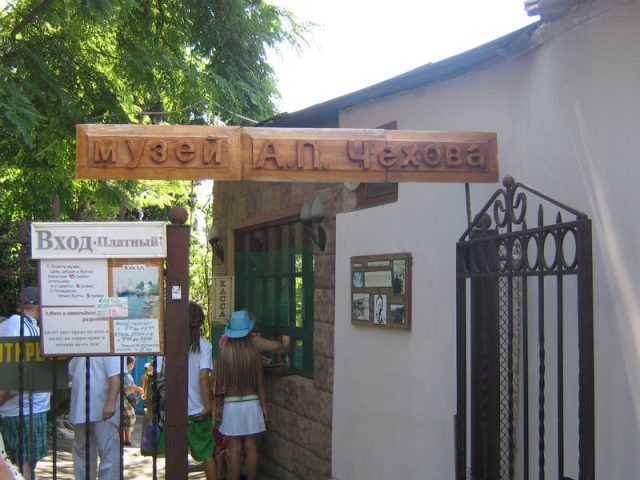
Gurzuf was a hub for Russia’s creative and intellectual circles. Near the manor stood the summer homes of Anton Chekhov, Maximilian Voloshin, and Ivan Bunin. The area buzzed with ideas, attracting thinkers from across the country. The Guchkov Manor wasn’t as famous as Chekhov’s house, but it belonged to the same world—one where conversations shaped destinies.
After the revolution, the manor was nationalized. It became a sanatorium, a guesthouse, or stood empty, slowly decaying. Yet much of its original structure and details survived, offering a glimpse of its past.
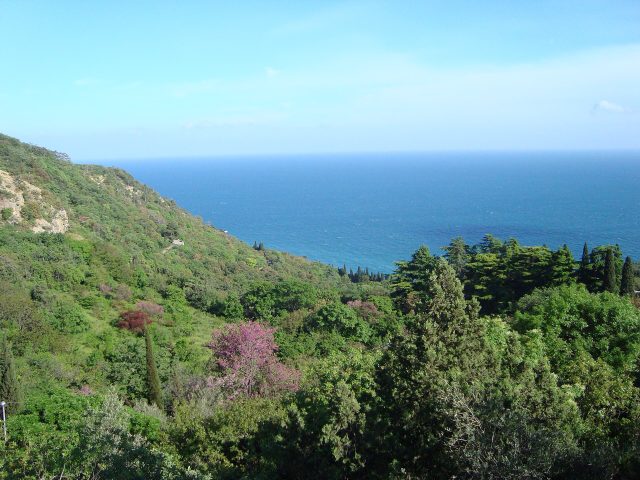
Today, the manor is part of Crimea’s cultural heritage. It reminds us of a time when Gurzuf was a retreat for those who shaped Russia’s future. The interior isn’t open, but the exterior alone tells its story. As you walk through Gurzuf, the house sits quietly among the trees and sea air, its history adding weight to the place.
If you’re curious about Crimea’s past, the manor makes you think. Here, it’s easy to picture figures from a century ago—walking these paths, dressed in their time, talking about politics or enjoying the quiet. The house isn’t just a monument; it’s a piece of living history.
Gurzuf holds many such buildings, but the Guchkov Manor stands out. It’s a reason to preserve places like this. Maybe one day it will find new life. For now, it endures, telling its story to anyone who listens.