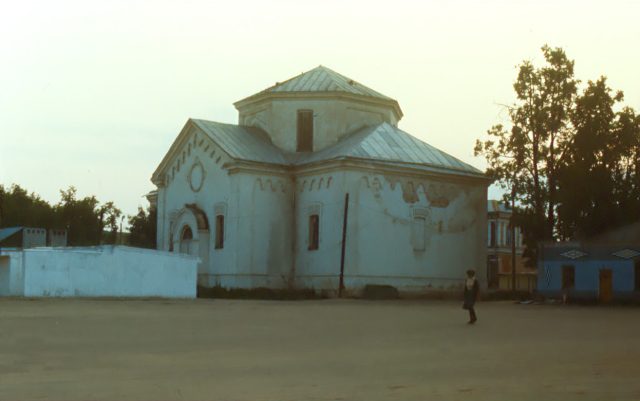
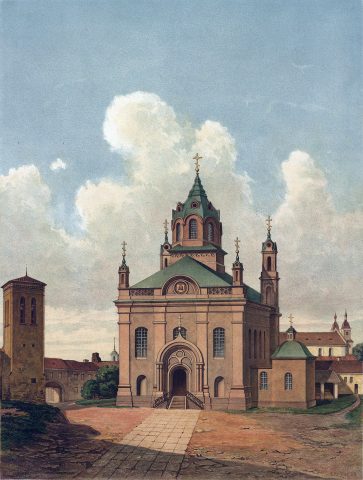
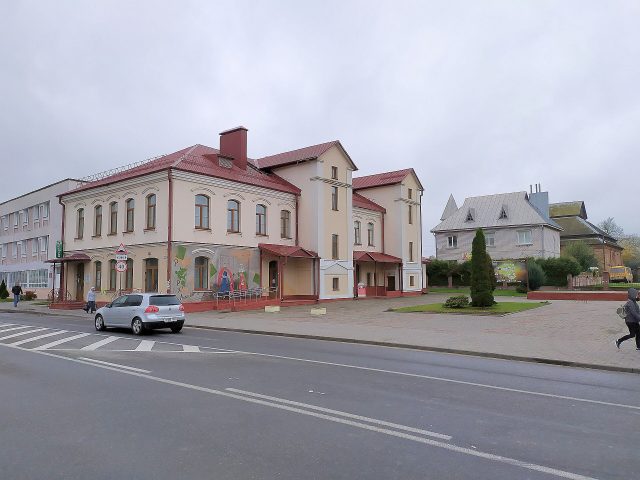
Ashmyany Market is one of those places where time seems to slow down, where the pace of life settles into something quieter, more deliberate. Tucked in the heart of the town, it isn’t just a place to buy and sell—it’s a living space where history, tradition, and everyday life intertwine. There’s no rush here, no blaring advertisements or crowded aisles. Instead, you’ll find the steady hum of conversation, the scent of fresh bread and homemade preserves, and the occasional laughter of children weaving between the stalls.
The market has stood in Ashmyany for centuries, its origins tracing back to a time when the town was a key trading post between Vilnius and Minsk. During the era of the Grand Duchy of Lithuania, merchant caravans passed through, and the market became a hub for goods moving between regions. Today, that legacy lingers not just in stories but in the atmosphere itself—open, welcoming, and unhurried. This isn’t a place for luxury or imported goods; it’s where people come for what they truly need: farm-fresh produce, homemade baked goods, river-caught fish, and mushrooms and berries gathered from nearby forests.
The market’s architecture is simple and practical, designed for function rather than appearance. A few covered pavilions with high ceilings, wooden stalls under awnings, and rows of vegetables and fruits laid out in sacks and crates on the ground. It feels almost temporary, as if the whole thing could be packed up and moved at any moment, though it’s been here for decades. In summer, the market buzzes with activity as farmers bring early berries, greens, and new potatoes. Winter doesn’t empty the stalls—smoked meats, pickled vegetables, homemade cheeses, and honey take their place.
One of the market’s highlights is the dairy section. Here, you’ll find cottage cheese, sour cream, butter, and milk brought in from nearby villages. The taste is nothing like what you’d find in a supermarket—these products carry the scent of grass, sunlight, and clean air. Locals know exactly whose milk to buy, whose cheese is best, and that knowledge has been passed down through generations. Nearby, butchers and poultry sellers offer fresh meat, and if you’re lucky, you might find a whole chicken or rabbit straight from a local farm.
The rows of homemade preserves are just as memorable. Jars of pickled cucumbers and tomatoes, barrels of sauerkraut and fermented apples, jams made from wild berries, dried mushrooms, and herbs—all of it speaks to a way of life that still values self-sufficiency. Many of the sellers grow or make what they sell, and they’re often happy to share tips on how to properly salt mushrooms or cook a traditional Belarusian borscht. For visitors, it’s not just about buying food; it’s a chance to connect with local traditions.
But the market is more than just a place to shop—it’s a social hub. Here, people catch up with old friends, discuss the latest news, or find out whose cow had a calf or whose flax crop turned out well. Retirees come not just for groceries but for conversation, while young families stop by for fresh produce. On weekends, the market is especially lively, with vendors from surrounding villages bringing rare finds like homemade wine or hand-knit goods. Sometimes, local musicians even play impromptu concerts in the square.
What makes Ashmyany Market special is that it doesn’t try to be modern or trendy. There are no supermarket-style price tags, no plastic packaging, no imported goods. Everything is real, everything is local. Even the currency isn’t strictly limited to Belarusian rubles—sometimes Russian or Lithuanian money is accepted, a remnant of a time when borders felt closer and trade was freer. For outsiders, it might feel unusual, but that’s part of the charm.
If you find yourself in Ashmyany, the market is worth a visit. Whether you’re looking for fresh bread, homemade cheese, or just a taste of provincial life, it’s a place where you can easily spend an hour—or half a day—watching how time moves in a small Belarusian town. You won’t find exotic spices or designer clothes here, but you will get a sense of the real Belarus: unhurried, genuine, and truly alive.