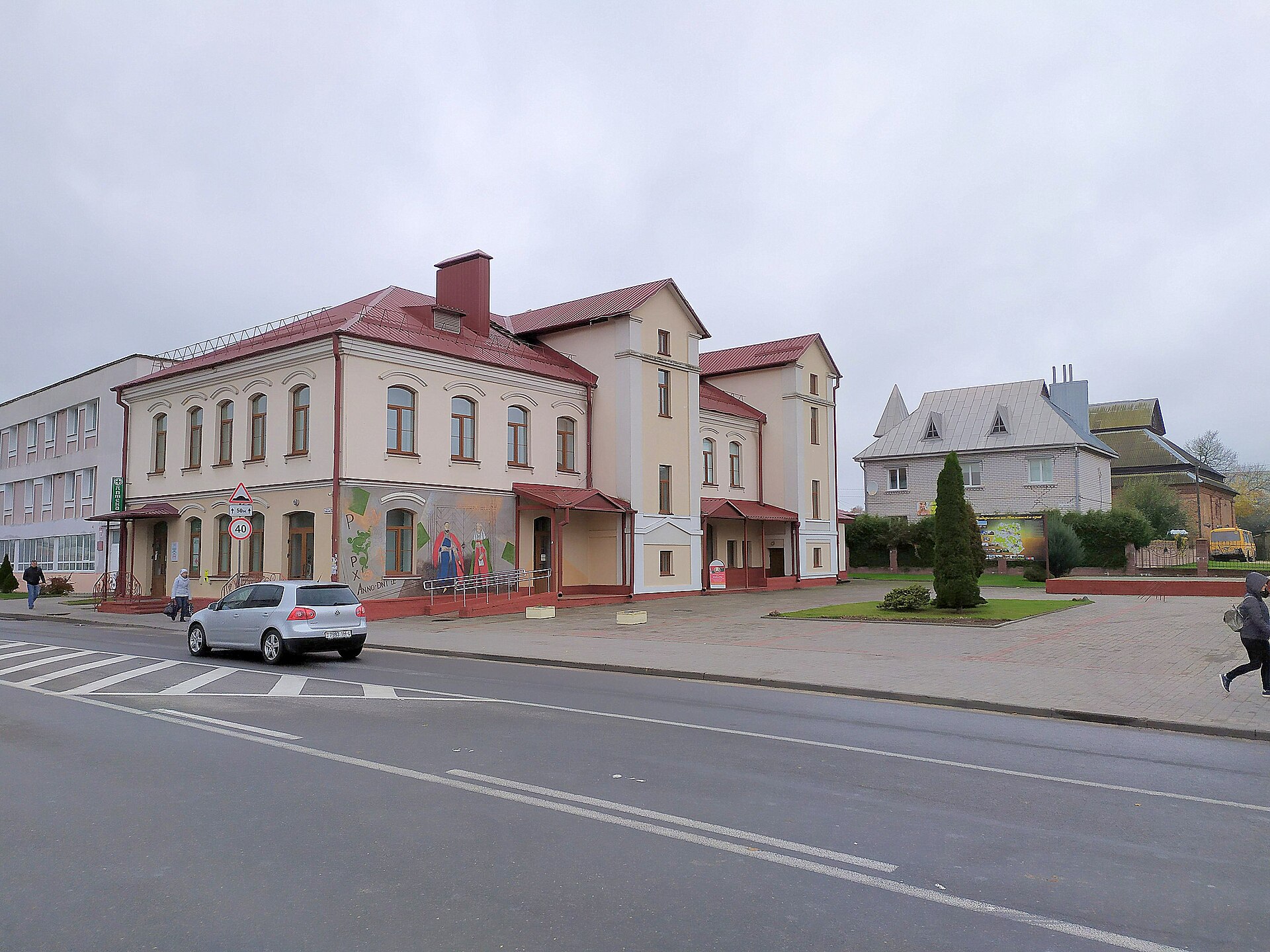
The Ashmyany Local History Museum is one of those quiet places where the past doesn’t announce itself with grand monuments or famous names, but instead reveals itself through the ordinary objects that once belonged to the people who lived here. Housed in an old building with thick walls and high ceilings, the museum itself feels like a relic of another era—one when Ashmyany was part of the Grand Duchy of Lithuania, later absorbed into the Russian Empire. There’s no opulence here, no priceless artifacts, just a sense of authenticity that makes you pause and consider how life unfolded in this small Belarusian town over the centuries.
The exhibits cover different facets of the region’s history, from the daily lives of peasants and craftsmen to the broader events that shaped the area. You’ll find clay pots, wooden spinning wheels, and old coins that once circulated at local fairs. Documents and photographs offer glimpses into pivotal moments, like the revolutionary upheavals of the early 20th century or the devastation of World War II, when Ashmyany, like so many Belarusian towns, endured occupation. These aren’t displays of heroism or tragedy in the abstract; they’re fragments of resilience, showing how people rebuilt their lives after destruction.
Archaeological finds add another layer to the story. Shards of pottery, tools, and jewelry span different periods, from ancient settlements to the Middle Ages. Arrowheads hint at the lives of early tribes, while coins suggest trade connections with distant regions. The museum doesn’t present archaeology as a dry academic subject—it invites you to imagine the hands that once held these objects, the lives they were part of. There’s something humbling about standing in front of a simple clay vessel and realizing it was used by someone centuries ago, in a world that feels both distant and strangely familiar.
The ethnographic collection is where the past feels most tangible. Traditional clothing, embroidered towels, and tools for flax processing speak to the customs and rhythms of daily life. A wooden loom, a cradle, or a hand-carved spoon might seem unremarkable at first glance, but they carry the weight of generations. These objects weren’t just functional—they were part of rituals, celebrations, and the quiet routines that defined existence in this corner of Belarus. Seeing them up close, you can almost hear the hum of a spinning wheel or the laughter of children playing in a yard long gone.
What makes the museum particularly interesting is how it bridges the past and present. One section showcases contemporary crafts—pottery, woodwork, and paintings by local artists. Some pieces nod to tradition, like ceramics with modern twists, while others capture the landscapes and moods of today’s Ashmyany. It’s a reminder that history isn’t just something preserved in glass cases; it’s alive, evolving, and still being created. The museum doesn’t just document the past—it reflects the community that keeps it relevant.
This isn’t a place for flashy exhibits or interactive displays. There are no dramatic reconstructions or multimedia shows. Instead, it offers something rarer: the chance to slow down, look closely, and let the quiet weight of history settle in. The museum doesn’t try to impress or entertain; it simply tells its story, and that’s what makes it special. For anyone curious about Belarus beyond its major cities, it’s a window into the lives of ordinary people in small towns and villages, where history isn’t made by kings or generals but by those who tilled the land, raised families, and kept traditions alive.
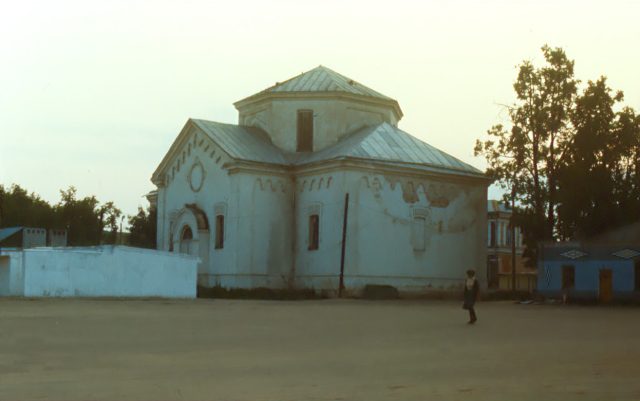
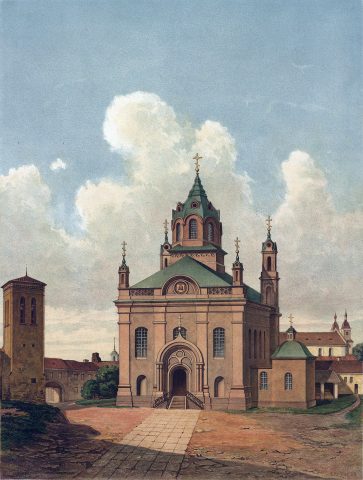
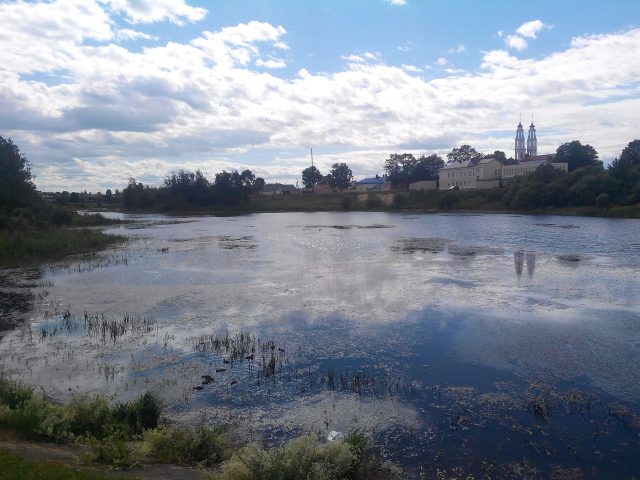
A visit here can easily become part of a broader exploration of Ashmyany. The town itself is unassuming, with a quiet charm that unfolds as you wander its streets. Old wooden houses, some still standing after centuries, line the roads, and the local church is a notable landmark. The surrounding countryside—rolling fields, dense forests—echoes the landscapes depicted in the museum’s exhibits. After spending time indoors, it’s worth stepping outside to see the places where history actually happened. The museum doesn’t just tell you about the past; it gives you the context to see it in the world around you.
If you’re the kind of traveler who prefers depth over spectacle, this museum is a perfect stop. It doesn’t cater to crowds or offer quick thrills, but for those willing to engage with it, it provides a richer understanding of a place and its people. Ashmyany might not be on every tourist’s itinerary, but that’s part of its appeal. Here, history isn’t a spectacle—it’s a conversation, one that continues long after you’ve left the museum’s walls.