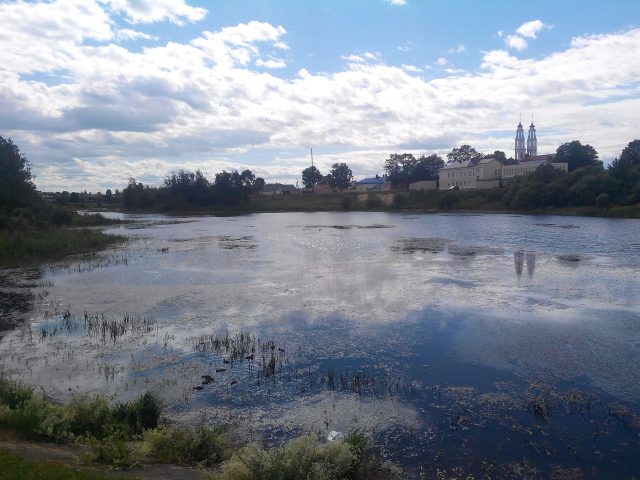
The Church of the Holy Trinity in Ashmyany doesn’t demand attention at first glance, yet lingers in memory long after you’ve left. Perched on a gentle hill in the town center, it’s surrounded by old trees and modest houses, standing as a quiet guardian of this corner of Belarus. Its architecture is unassuming, but there’s a strength in its simplicity—one that comes from time, faith, and the steady rhythm of everyday life.
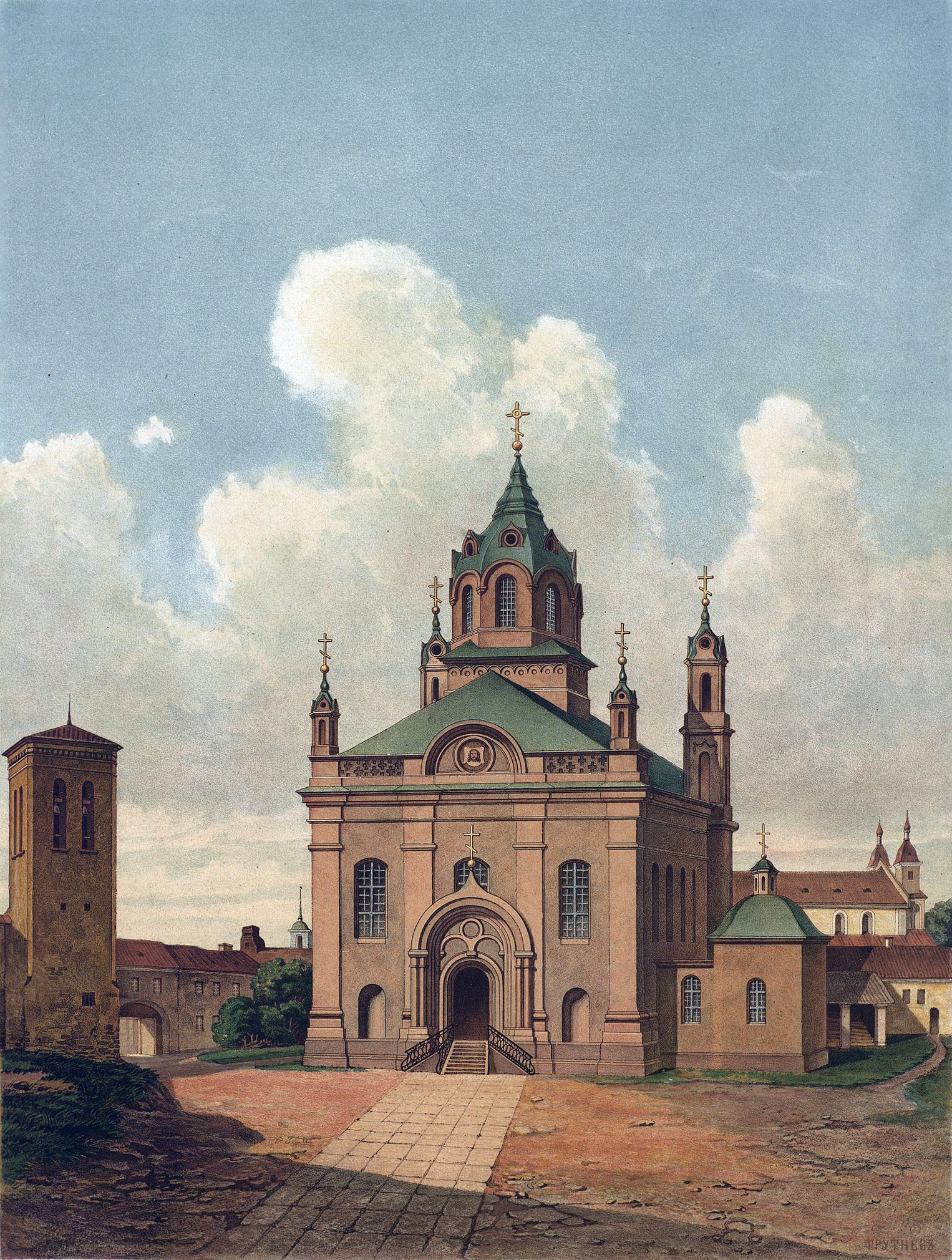
The church’s history stretches back to the early 19th century, when Ashmyany was a small district town under the Russian Empire. The decision was made then to replace an older wooden church with a stone structure. Construction moved slowly, as resources were carefully measured. By the mid-1800s, the church had taken on its current form, blending late Baroque elements with early neoclassical influences. Its charm lies in its ordinariness, in the way it fits into the fabric of the town.
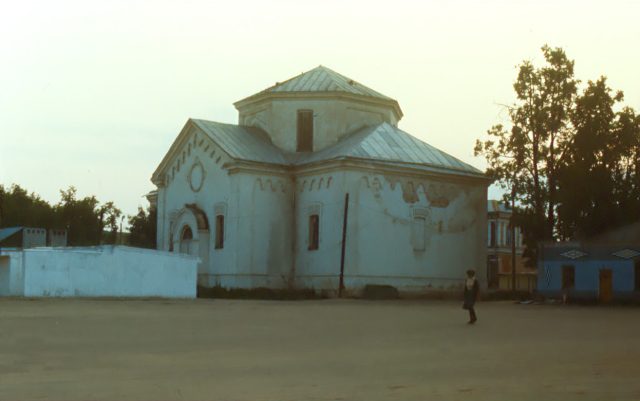
The building is straightforward and functional. White walls, tall narrow windows, and a gabled roof with a small dome over the altar give it a sense of lightness and calm. Inside, the space is small but bright, with a wooden iconostasis that has retained its warmth despite the years. The murals on the walls are understated, painted in a traditional style. There’s no gold leaf or marble here, but that’s not what matters to those who come to pray.
What lingers is the feeling of a place where faith is lived.
Ashmyany was never a major religious center, and the Church of the Holy Trinity never sought to be anything more than a local parish. For generations, it has been a gathering place—where baptisms, weddings, and funerals mark the milestones of life. In the Soviet era, it fell into disrepair but was spared destruction. In the 1990s, it was returned to the faithful, and since then, it has quietly resumed its role in the community.
Today, the church remains active, though it rarely draws tourists. For locals, it’s a place of continuity—the faded photographs on the walls, the yellowed books in the library, the scent of wax and incense. On Sundays, the stillness gives way to the murmur of prayers, the rustle of fabric, and the occasional laughter of children. This isn’t the silence of a museum; it’s the quiet hum of a living tradition.
Ashmyany is a small town, and the Church of the Holy Trinity is one of its landmarks. It doesn’t tell stories of great battles or famous figures. It simply stands as a witness to ordinary lives. The world around it changes, but the church remains, a fixed point in the shifting landscape.
If you ever find yourself in Ashmyany, walk through the old cemetery nearby. Moss-covered gravestones bear names that have faded with time. Sit on a bench by the entrance, looking out over the town from the hill. You might begin to understand why this place matters to those who call it home. Not every church carries the weight of history so lightly.