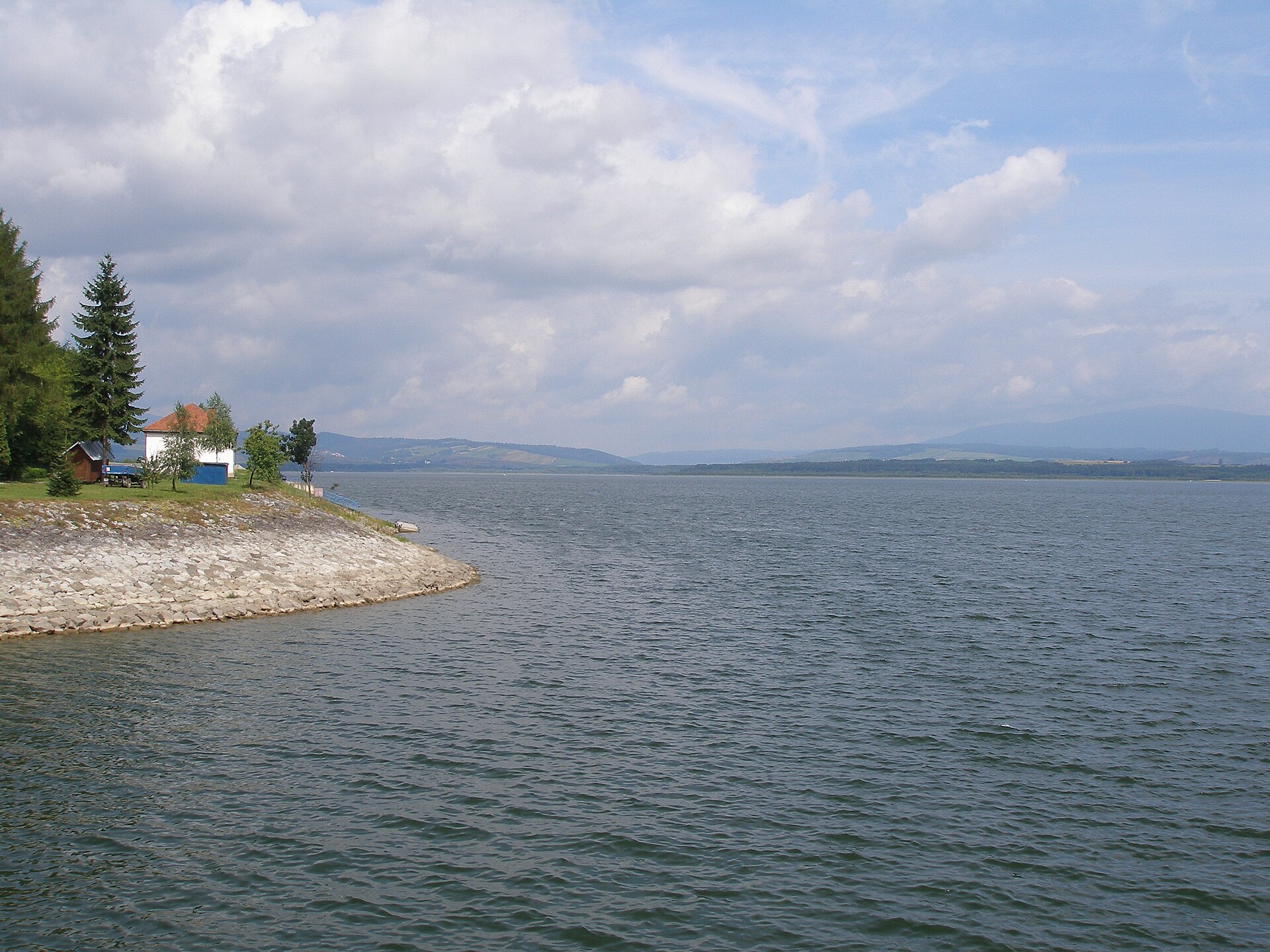
Oravská priehrada, or the Orava Reservoir, is one of Slovakia’s largest artificial lakes, stretching across the northern part of the country at the foot of the Oravské Beskydy mountains. Created in the mid-20th century as part of an ambitious hydroengineering project, it was designed to tame the unpredictable Orava River while generating electricity for the region. Today, the reservoir is more than just a feat of engineering—it’s a place where nature and human intervention exist in an unusual balance. There are no crowded resorts or tourist traps here, just open space, quiet, and the sense that time moves a little slower.
The idea of building the dam took shape in 1941, with construction beginning near the village of Slavošov. The project faced interruptions during the war, but by 1953, the dam was completed, flooding the valley and submerging several villages, including the historic settlement of Újezdec. Its houses and church now lie beneath the water, visible only in dry years when the reservoir’s level drops. For the people who lived here, the transformation was profound. Some relocated to new settlements, while others stayed, watching as the rising water reshaped the landscape they had known for generations. Even now, locals speak of those changes with a mix of nostalgia and resignation.
The dam itself is an imposing structure, standing about 50 meters high and stretching over 500 meters across the river. Inside, a small hydroelectric plant still operates, though its output is modest by modern standards. A viewing pavilion offers visitors a panoramic view of the reservoir and the surrounding mountains, but the real significance of the dam lies in how it altered the land. What was once a winding river became a vast lake with intricate shorelines, where forests cling to rocky outcrops and quiet coves form along the water’s edge.
The reservoir is often called the "Orava Sea," and the name fits. On clear days, the water takes on a deep blue hue, while in overcast weather, it turns a steely gray, blending with the sky. The shoreline stretches for nearly 80 kilometers, winding between peninsulas and inlets that give the impression of endless space. Some stretches are gentle, lined with meadows and scattered groves, while others are steep and rugged, where pine trees lean precariously over the water. Hiking and cycling trails follow the lake’s perimeter, though they’re not always well-maintained—this is a place for those who don’t mind a little improvisation.
The reservoir has become a haven for wildlife, particularly waterfowl. Ducks and gulls are common sights, and if you’re lucky, you might spot a rare osprey or great cormorant. Fishermen are also frequent visitors, drawn by the lake’s pike, perch, and trout. Locals say the best time to cast a line is at dawn or dusk, when the water is calm and the fish rise closer to the surface. In summer, families and groups of friends gather along the shore for picnics, escaping the noise of cities for a few hours. There’s no grand infrastructure here, just the simple pleasure of being near the water.
Though it lies off the beaten path, the Orava Reservoir attracts those seeking solitude and understated beauty. There are no luxury hotels or flashy attractions, just a handful of guesthouses and campsites where visitors can stay for a night or two. Some locals rent out rooms in their homes, and nearby villages have small cafés serving traditional Slovak dishes—dumplings with bryndza cheese, fried trout, or hearty sauerkraut soup. The pace here is unhurried, and the people are welcoming, though not in a way that feels rehearsed.
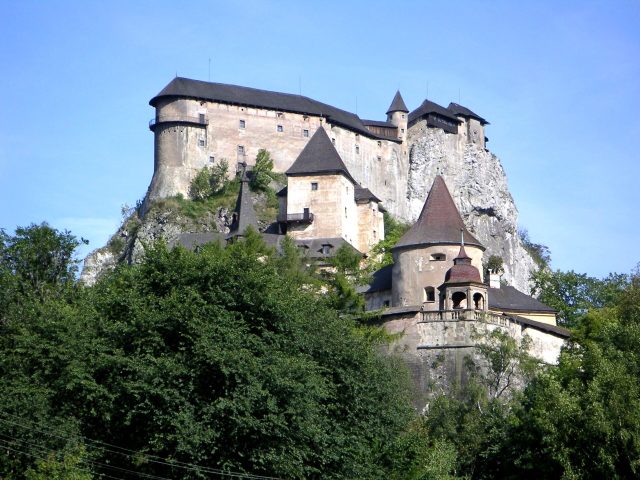
One of the reservoir’s most striking features is its proximity to Orava Castle, perched on a cliff overlooking the water. The castle, one of Slovakia’s most famous, seems to watch over the lake like a silent guardian, its reflection shimmering on the surface. In summer, tourists visit the castle on guided tours, while in winter, when the reservoir freezes, the area becomes a playground for ice skaters and cross-country skiers. Winters here are harsh—snow blankets the ground from November to April, and temperatures can plummet below zero—but there’s a quiet beauty in the frozen landscape, where the lake’s surface glistens under a pale sun.
For those curious about the region’s history, the small museum in Oravský Podzámok offers a glimpse into the past. Its exhibits tell the story of the flooded villages and the dam’s construction, as well as the traditions of the Orava region—its folk crafts, music, and customs, many of which are still alive in the surrounding villages. The museum is modest, but it feels authentic, a testament to the people who call this place home. It’s a reminder that the reservoir isn’t just a tourist attraction; for many, it’s a part of daily life, shaped by both progress and loss.
The Orava Reservoir is a place where nature and human ambition have found a kind of compromise. It doesn’t dazzle with dramatic scenery or grand monuments, but it has a quiet allure all its own. You could spend a day wandering its shores, listening to the lap of water against the rocks and the cries of gulls overhead, or simply sit on a boulder and watch the sunset paint the sky and water in shades of gold and pink. There’s no agenda here, no must-see sights or must-do activities—just the chance to pause, breathe, and let the stillness settle in. That, perhaps, is its greatest gift.