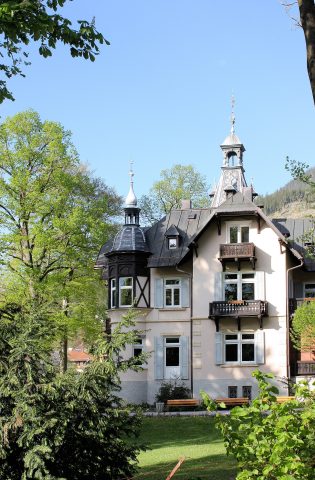
Garmisch-Partenkirchen’s Kurpark is one of those quiet places that feels like it has always been there, effortlessly bridging the gap between the town and the mountains. Tucked between the old quarters and the foothills, it doesn’t announce itself with grand gestures or sprawling lawns. Instead, it offers something rarer in busy resort towns: a sense of stillness that doesn’t feel forced, and air that carries the scent of pine and mountain streams. Even in peak season, you won’t find crowds here—just locals walking their dogs, families with children, and the occasional traveler taking a break from the trails.
The park’s history is woven into the story of Garmisch-Partenkirchen’s rise as a destination. In the late 19th century, when the Alps became fashionable among Europe’s elite, the town began to transform. Villas and grand hotels sprang up, and the park emerged as part of this new landscape—a place for leisurely strolls, picnics, and social gatherings. Over time, it became a public space, but traces of its past remain in the careful layout of its paths, the mature trees with their wide canopies, and the benches positioned to frame views of the surrounding peaks. A few wooden pavilions still stand, echoing an era when orchestras played here and women in long dresses promenaded under parasols.
There’s nothing flashy about the park’s design, and that’s part of its charm. No grand fountains or monumental statues interrupt the natural scenery—just simple, functional elements that blend into the landscape. The paths are paved with stone and gravel, and the small bridges over streams are made of wood, chosen to harmonize with the surroundings rather than dominate them. At the heart of the park lies a modest pond, its surface dotted with water plants and the occasional duck. In summer, the shade keeps the air cool even on warm days, while in winter, the snow transforms the park into a quiet, almost fairy-tale setting where sledding and wandering through the white-dusted paths feel like stepping into another world.
More than just a green space, the Kurpark is a kind of communal living room for the town. It’s where different parts of the community overlap—where festivals, open-air concerts, and artisan markets take place in the warmer months, and where one of the region’s coziest Christmas markets sets up in winter. Stalls sell mulled wine, local sweets, and handmade crafts, while children play on the swings and slides. For those who prefer activity, cycling and running paths lead out into the surrounding forests and meadows, offering a seamless connection to the wilder landscapes beyond.
What makes the Kurpark special is its refusal to be anything other than itself. It’s not a national park with untamed wilderness, nor a botanical garden with exotic species. The trees here are the same you’d find in the nearby woods—spruce, pine, beech, and maple. In spring, snowdrops and crocuses push through the soil; in summer, the air fills with the scent of blooming linden trees; and in autumn, the leaves turn gold and crimson. Locals don’t come here for spectacle; they come for the quiet comfort of a place that feels untouched by the rush of modern life.
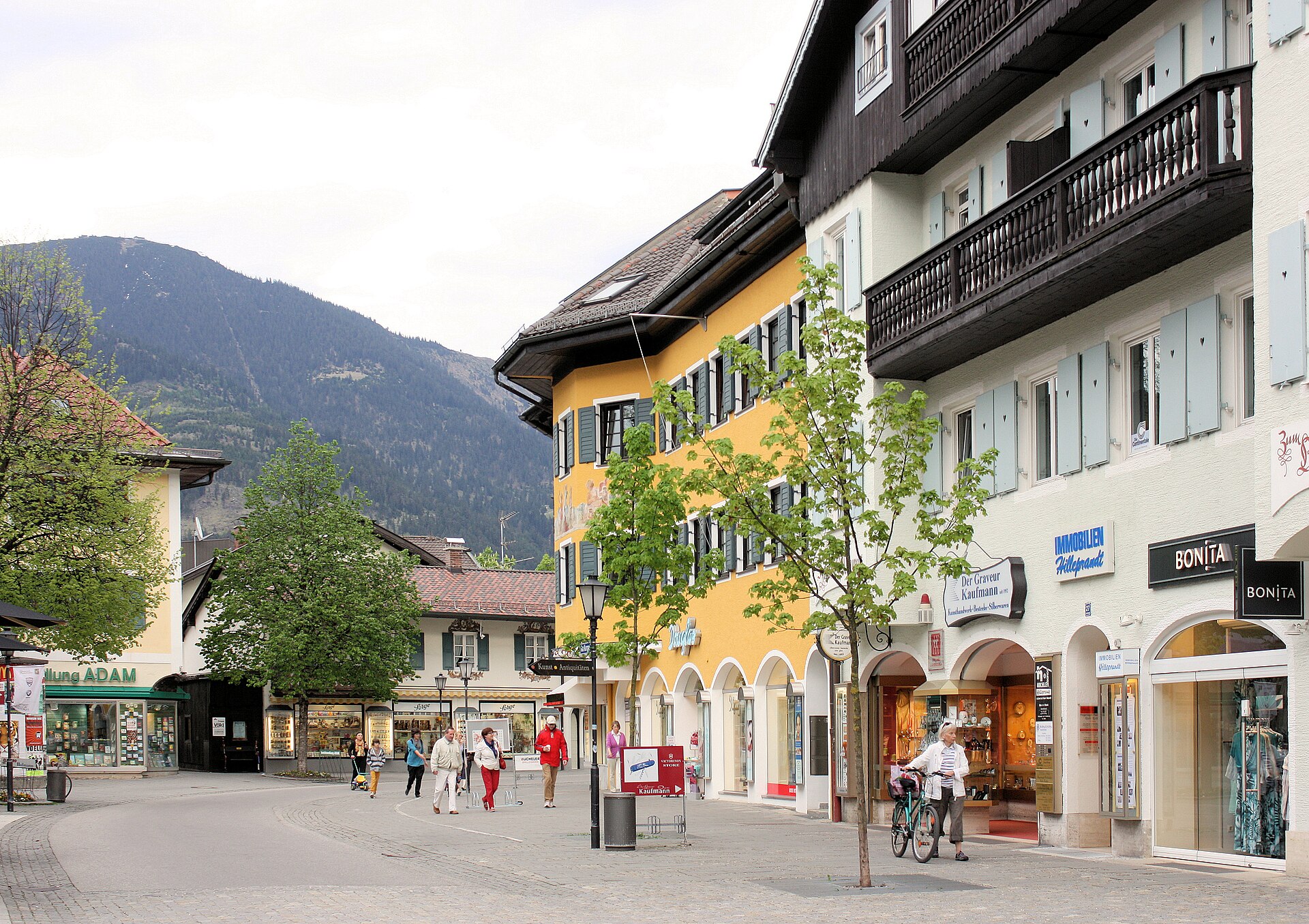
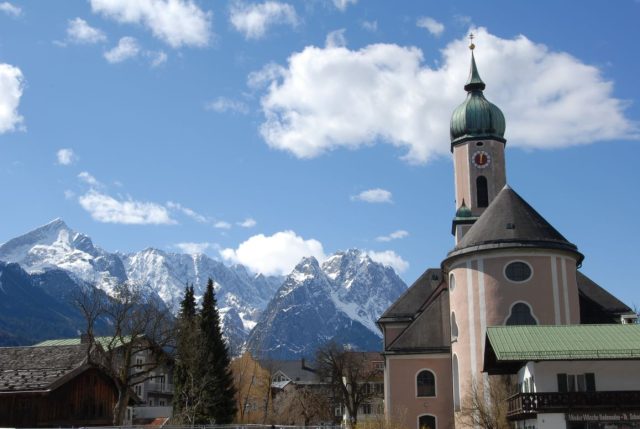
Garmisch-Partenkirchen itself is a town of contrasts—a modern ski resort with lifts and hotels on one side, and a historic center with frescoed houses and centuries-old churches on the other. The Kurpark sits at the intersection of these two worlds. From here, you can wander into the old town, where buildings from the 16th and 17th centuries still stand, or take the cable car up to the Zugspitze, Germany’s highest peak. The park acts as a kind of threshold, a place to pause before diving into the next adventure or simply to savor the moment.
There are no strict rules in the Kurpark, just unspoken traditions. Locals often bring thermoses of coffee or tea for impromptu picnics on the grass. In summer, you might stumble upon an artist sketching the landscape or a musician playing guitar under the trees. In winter, children build snowmen while adults skate on the small rink that forms on the pond. The park asks nothing of its visitors except respect—for the space, for nature, and for each other. There’s no need to hurry; you can sit on a bench and watch the light shift across the mountain peaks, or let the hours pass without noticing.
The Kurpark isn’t the kind of place that grabs your attention immediately. It doesn’t cater to those seeking constant excitement or novelty. Instead, it offers something quieter: a sense of ease, a connection to nature, and the kind of warmth that lingers long after you’ve left. There’s nothing artificial here—just the slow accumulation of history and the rhythms of the seasons. That might be why it’s so beloved by locals and by the travelers who return to Garmisch-Partenkirchen year after year. It doesn’t try to be perfect, and in its imperfections, it feels all the more real.