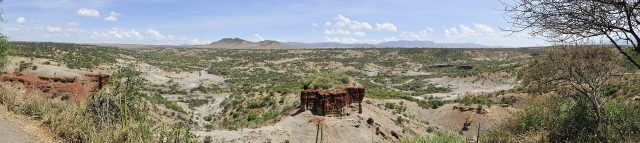
Olduvai Gorge is one of those rare places where the earth itself seems to whisper secrets of the distant past. Tucked into the northern reaches of Tanzania, within the vast expanse of the Ngorongoro Conservation Area, this site is more than just a geological formation—it’s a window into the origins of humanity. The layers of sediment exposed here tell a story spanning millions of years, revealing fossils and artifacts that have reshaped our understanding of human evolution. For scientists and travelers alike, Olduvai is a place where the past feels almost tangible, where the ground beneath your feet holds traces of the earliest members of our species.
The gorge stretches for miles, a dramatic fissure in the landscape where the earth has split open to reveal its ancient history. Over time, erosion has carved away the softer rock, exposing strata that act like pages in a book, each one preserving a different chapter of life on Earth. The oldest layers date back nearly two million years, a time when early hominins roamed these plains, fashioning simple stone tools and learning to survive in a harsh environment. Archaeologists have uncovered not just bones but entire snapshots of prehistoric life—animal remains, primitive tools, and even the faint outlines of campsites where our ancestors once gathered. Walking through the gorge, it’s impossible not to imagine the daily struggles and small triumphs of those who lived here long before recorded history.
Olduvai’s significance is inseparable from the work of Louis and Mary Leakey, the pioneering anthropologists whose discoveries here in the mid-20th century revolutionized the field. Their excavations unearthed some of the most important fossils ever found, including remains of *Australopithecus* and *Homo habilis*, an early human species that walked upright and used tools. These findings provided crucial evidence that Africa was the cradle of humanity, a theory that had long been debated. Today, a small museum near the gorge displays replicas of the most famous discoveries, offering visitors a glimpse into the painstaking work of uncovering the past. The research continues, with new generations of scientists building on the Leakeys’ legacy, slowly piecing together the puzzle of human evolution.
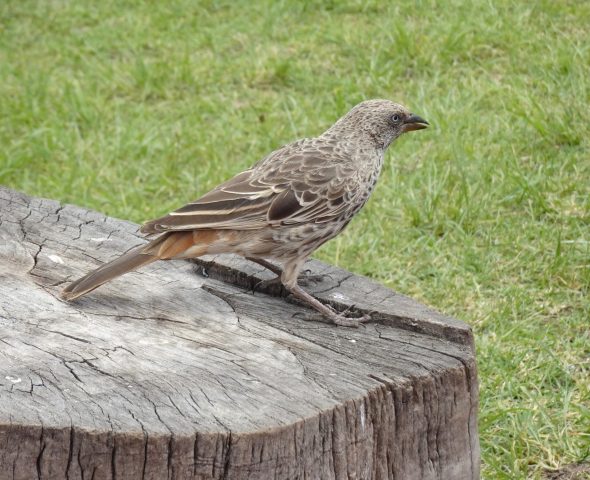
The landscape of Olduvai is stark and unforgiving, a far cry from the lush greenery of other parts of East Africa. The terrain is dominated by dry, grassy plains that stretch endlessly toward the horizon, punctuated by the jagged edges of the gorge itself. During the dry season, the earth cracks under the relentless sun, while in the wetter months, temporary pools form, drawing wildlife from miles around. Elephants, lions, and hyenas roam the surrounding plains, and the skies are alive with birds, making Olduvai a destination for those interested in both history and natural beauty. The contrast between the barrenness of the gorge and the life that thrives around it is striking, a reminder of how resilient nature can be.
Visiting Olduvai is less about ticking off a tourist attraction and more about stepping into a different era. The guides here, many of whom are Maasai, bring the past to life with stories of the early humans who once called this place home. They’ll point out excavation sites, explain how scientists date fossils, and share insights into the traditional ways of their own people, who have lived in harmony with this land for centuries. There’s a quiet reverence to the place, a sense that you’re walking in the footsteps of those who came before—not just the ancient hominins, but the generations of Maasai who have tended these lands and the researchers who have devoted their lives to uncovering its secrets.
Olduvai remains a living laboratory, where archaeologists and anthropologists from around the world continue to make discoveries. Each new find adds another layer to our understanding of human history, refining theories and challenging assumptions. For scientists, it’s a place of pilgrimage, a site where the past is still being written. But it’s also very much a part of modern Tanzania, a country where ancient traditions coexist with the demands of the present. The conservation area surrounding the gorge is home to communities that rely on the land, and tourism plays a role in supporting both local livelihoods and the preservation of this unique heritage.
Reaching Olduvai isn’t always easy. The journey involves long stretches of rough roads, and the climate can be harsh, with scorching days and chilly nights. But those who make the effort are rewarded with an experience that feels far removed from the usual tourist trail. There are no crowds here, just the vast silence of the savanna, broken only by the occasional call of a bird or the distant roar of a lion. It’s a place for those who appreciate not just the beauty of the natural world, but the depth of the stories it holds. Olduvai forces you to slow down, to look closely at the ground beneath your feet and consider the immense span of time that has unfolded here.
Standing in the gorge, it’s impossible not to feel a sense of connection to the distant past. The same sun that beats down today once warmed the backs of our earliest ancestors as they foraged for food or shaped tools from stone. The same winds that sweep across the plains carried the sounds of their voices, long since faded into silence. Olduvai is a humbling reminder of how far humanity has come—and how much we still have to learn. For those who seek more than just scenery, who want to touch the roots of what it means to be human, this place offers something rare: a chance to stand at the very beginning of our story.