Laetoli is one of those rare places where the earth itself seems to whisper stories from the distant past. Tucked away in northern Tanzania, not far from the Ngorongoro Crater, this unassuming stretch of land holds something extraordinary—fossilized footprints left by early hominins over three and a half million years ago. These impressions, preserved in volcanic ash, are more than just ancient marks in the dirt; they offer a fleeting glimpse into the lives of our earliest ancestors, capturing a moment of movement, perhaps even companionship, frozen in time.
The discovery of the Laetoli footprints in 1976 was nothing short of revolutionary. A team led by paleoanthropologist Mary Leakey stumbled upon them during excavations, uncovering what would become one of the most significant finds of the 20th century. The footprints belonged to three individuals, likely members of the species *Australopithecus afarensis*, the same lineage as the famous "Lucy" skeleton. What makes these tracks so remarkable is their humanity—they suggest that these early beings walked together, possibly even holding hands, a detail that bridges the gap between scientific study and something deeply personal. Unlike bones or tools, these prints don’t just tell us *what* existed; they show us *how* they lived.
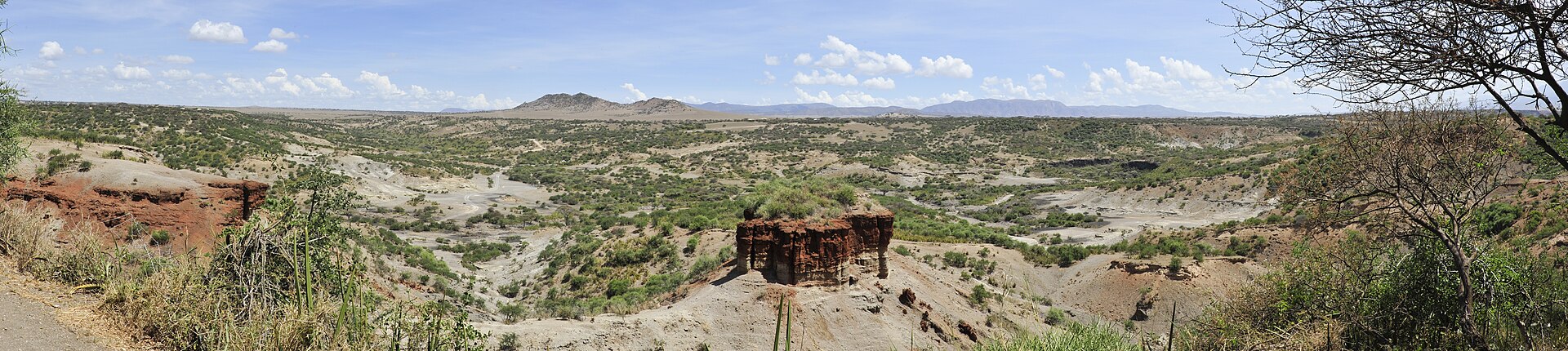
Visiting Laetoli is unlike stepping into a museum or admiring an ancient ruin. There are no grand structures here, no polished exhibits behind glass. Instead, the landscape itself feels like a relic—dry grass stretching toward the horizon, scattered acacia trees dotting the savanna, and the distant silhouette of volcanic hills under the vast African sky. The air carries a quiet weight, as if the land is holding its breath, waiting for visitors to recognize the significance of what lies beneath their feet. It’s a place that demands reflection rather than spectacle, where the absence of crowds and commercialization only deepens the sense of connection to the past.
Access to the footprints is carefully controlled, and for good reason. Erosion, rain, and even the oils from human skin could erase these fragile traces forever. Guided visits are the only way to see them up close, ensuring that the site remains protected for future generations. This exclusivity means Laetoli remains off the beaten path, overshadowed by Tanzania’s more famous attractions like the Serengeti or Kilimanjaro. But for those who make the journey, the reward is a rare intimacy with history—standing where our ancestors once walked, seeing the same sun that dried the ash around their feet.
Laetoli doesn’t exist in isolation. The surrounding region, including the nearby Olduvai Gorge, is a treasure trove of early human history. Fossilized bones, stone tools, and other artifacts have painted a vivid picture of our evolutionary journey. Yet Laetoli stands apart. While other sites offer fragments of the past—skulls, teeth, or sharpened rocks—here, the past feels alive. The footprints are a direct imprint of life, a snapshot of movement and interaction that no skeleton could ever convey. They remind us that history isn’t just about what survived, but about the fleeting moments that somehow, against all odds, endured.
The preservation of the Laetoli footprints is a story of extraordinary coincidence. Millions of years ago, a volcanic eruption blanketed the land in ash. A light rain then fell, turning the ash into a natural cement that captured the impressions of passing hominins. As the ground dried, the footprints hardened, shielded from the elements by layers of sediment until their rediscovery. It’s a fragile balance—one heavy downpour or shift in the earth could have erased them forever. Their survival feels almost miraculous, a reminder of how precarious and resilient life can be.
For travelers drawn to anthropology or those simply seeking something beyond the usual tourist trail, Laetoli offers a profound experience. There are no luxury lodges here, no souvenir shops or guided safari circuits. Instead, the journey is one of quiet contemplation, a chance to step away from the noise of modern life and consider the vastness of time. The road to Laetoli winds through the savanna, where the landscape hasn’t changed all that much since the days when *Australopithecus* roamed these plains. The simplicity of the place—its lack of fanfare—only amplifies its power.
In an age where technology and urbanization often disconnect us from the natural world, Laetoli serves as a grounding force. It’s a place that humbles, reminding visitors that human history is just a small thread in the much larger tapestry of Earth’s story. The footprints beneath the soil aren’t just relics; they’re a bridge between then and now, a tangible link to the beings who came before us. And while science continues to uncover new clues about our origins, Laetoli remains a rare and poignant testament to the fact that sometimes, the most profound discoveries aren’t made in laboratories or textbooks—they’re found in the dirt under our feet.