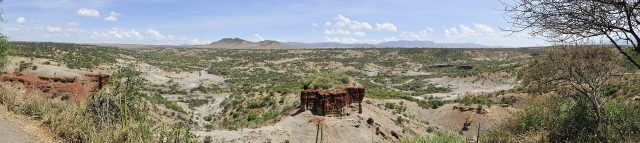
Ngorongoro Crater is often celebrated for its sweeping savannas and the dramatic wildlife spectacles that unfold across its vast floor. Yet tucked away in its southern reaches lies Lerai Forest, a place that feels like another world entirely. Here, the air is cooler, the light softer, and the usual rhythms of the African bush give way to something quieter, almost reverent. The forest is a dense cluster of acacia trees, their gnarled branches forming a canopy that filters the harsh equatorial sun into dappled patterns on the ground below. It’s a rare pocket of shade in a landscape where open plains dominate, and for many animals—and the occasional visitor—it offers a respite from the heat and the unrelenting gaze of the midday sun.
The name Lerai comes from the Maasai language, and it carries a weight that goes beyond mere geography. To the Maasai, this was always more than just a forest; it was a sacred grove, a place where the veil between the physical and spiritual worlds felt thin. Long before safari vehicles began rumbling across the crater floor, the Maasai would come here to perform rituals, to seek guidance from the ancestors they believed still lingered among the trees. Even now, walking beneath the towering acacias, it’s easy to understand why. The forest has a stillness to it, a sense of timelessness that makes the outside world feel distant. The Maasai no longer use Lerai for ceremonies in the way they once did, but the forest retains an aura of quiet significance, as if it remembers its past.
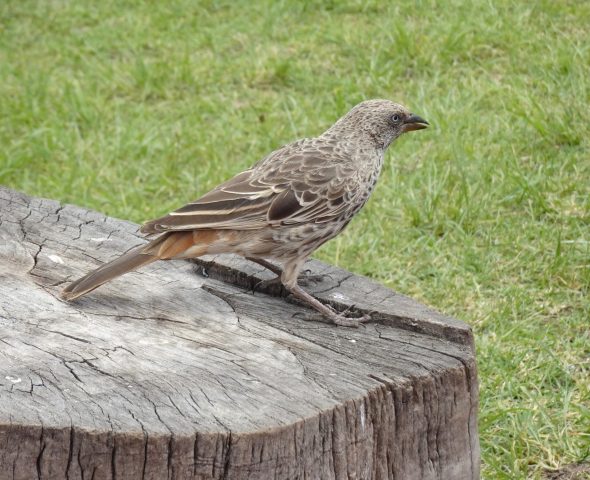
For all its spiritual associations, Lerai is also a vital part of the crater’s ecosystem. The forest provides shelter and sustenance for a variety of animals, particularly during the dry season when water elsewhere becomes scarce. Elephants, often thought of as creatures of the open plains, are frequent visitors, drawn by the promise of fresh browse and the cool shade. Buffalo and antelope also seek refuge here, while the forest’s dense foliage offers a haven for birds—from the tiny, iridescent sunbirds that flit between the branches to the stately marabou storks that perch like sentinels in the treetops. The forest floor, though not as thickly vegetated as a true jungle, is alive with the rustling of small creatures, the occasional flicker of a lizard, or the distant call of a bird. It’s a place where life thrives in layers, each species finding its niche in the intricate web of the forest.
What makes Lerai unusual is its structure—or rather, its lack of one. Unlike the manicured gardens or the regimented rows of trees found in other parts of the world, this forest is entirely wild, shaped only by the forces of nature. The acacias grow in no particular order, their trunks twisted and their branches reaching out in all directions, as if each tree is following its own whims. The canopy is thick enough to block out much of the sunlight, but not so dense that it stifles the undergrowth. This creates a space that is both open and enclosed, a place where you can wander without fear of losing your way, yet still feel enveloped by the forest’s presence. The play of light and shadow here is endlessly fascinating, with the sun casting shifting patterns on the ground as the wind moves through the leaves.
Lerai’s role in the crater extends beyond providing shelter for wildlife. The forest is also a crucial water source, its deep roots helping to retain moisture in the soil. During the rainy season, the forest floor can become a muddy quagmire, with water pooling in shallow depressions and turning the trails into slippery paths. Yet even in these conditions, the forest doesn’t lose its allure. If anything, it becomes even more alive, the air thick with the scent of damp earth and the chorus of frogs and insects. The water that collects here doesn’t just sustain the forest itself; it also feeds the surrounding grasslands, ensuring that the crater remains a fertile haven for the animals that call it home. Without Lerai, the delicate balance of Ngorongoro’s ecosystem would be far harder to maintain.
For visitors, Lerai offers a different kind of safari experience. There are no herds of wildebeest thundering across the plains here, no lions lounging in the open for all to see. Instead, the forest invites a slower, more contemplative approach. Walking through Lerai feels less like an excursion and more like stepping into a private world, one where the usual rules of the bush don’t always apply. The animals here are less skittish, more accustomed to the presence of humans who move quietly and respectfully. A buffalo might graze just a few meters away, its massive form partially obscured by the trees, while a troop of baboons could pass overhead, their chatter filling the air. The forest has a way of making you feel like an observer rather than a participant, a guest in a place that doesn’t need you but tolerates your presence.
Yet Lerai is more than just a picturesque backdrop for wildlife encounters. It’s also a reminder of how fragile these ecosystems can be. The pressures of climate change, poaching, and increasing tourism have begun to take their toll on Ngorongoro, and Lerai is not immune. The forest’s delicate balance is easily disrupted, and conservation efforts are ongoing to ensure that it remains a sanctuary for the animals and a place of quiet beauty for those who visit. Access is carefully managed, with rangers monitoring the number of visitors to prevent overuse. The hope is that by limiting human impact, Lerai can continue to thrive as it has for centuries, a living testament to the resilience of nature.
What makes Lerai special is its refusal to conform to expectations. It’s not a place that announces itself with grand vistas or dramatic encounters. There are no luxury lodges here, no guided tours with scripted narratives. Instead, it offers something far more subtle: the chance to experience the crater in a way that feels intimate and unscripted. It’s a place where you can sit on a fallen log, listen to the wind in the leaves, and feel the weight of the forest’s history pressing in around you. For those willing to look beyond the obvious, Lerai reveals a side of Africa that is rarely captured in photographs or travel brochures—a side that is quiet, enduring, and deeply human in its connection to the land.
In the end, Lerai is not a destination in the traditional sense. It doesn’t demand attention or promise spectacle. It simply exists, as it has for generations, a small but vital part of the vast and complex tapestry that is Ngorongoro. For those who take the time to wander its paths, it offers a glimpse into a world that operates on its own terms, a world where nature is still the dominant force. And perhaps that’s the real magic of Lerai—not that it’s untouched by time, but that it reminds us of what it means to be a part of something larger than ourselves.