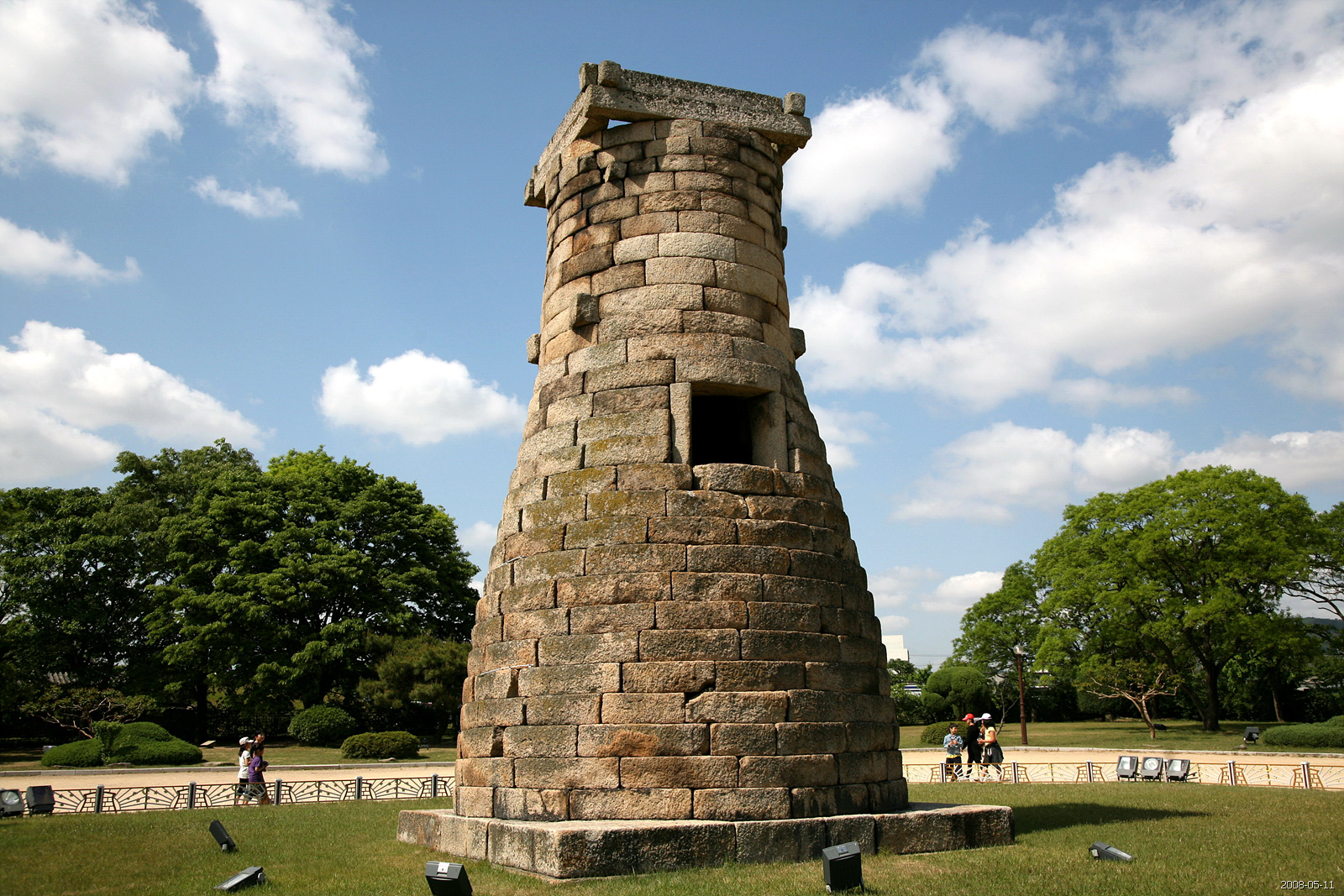
Perched on a gentle rise in Gyeongju, Cheomseongdae Observatory feels like a quiet conversation with the past. Built in the seventh century during the Silla dynasty, it is often called the oldest surviving astronomical observatory in East Asia, though its age alone doesn’t fully capture its presence. The name translates loosely as the Tower of Gazing at Stars, and while that sounds poetic, it was also quite literal. In an era when science and mythology were woven together, the tower served as both a practical tool for tracking celestial movements and a powerful symbol of royal authority and wisdom.
The structure itself is deceptively simple. A squat stone tower, just over nine meters tall, it was built from 365 granite blocks—one for each day of the year. The base is square, tapering into a cylindrical top, with no internal staircase or complex mechanisms. Scholars suggest that observations were likely made from the summit or a nearby platform, though the exact methods remain unclear. The number of stones and their arrangement may have carried symbolic weight, possibly aligning with the lunar calendar or marking key astronomical events. Whether intentional or not, the design reflects a careful balance between function and meaning.
Cheomseongdae was more than just a scientific instrument; it was deeply embedded in the political and cultural life of Silla. Astronomy at the time was inseparable from astrology, and celestial observations influenced everything from agricultural cycles to military campaigns. The tower stood near the royal palace, a deliberate choice that underscored its importance. While the surrounding area has changed dramatically over the centuries, historical records describe a landscape of temples, gardens, and administrative buildings, all centered around this small but significant structure.
Over time, the observatory outlasted the kingdom that built it. Silla fell, dynasties rose and fell, and Gyeongju faded from its former glory. Yet Cheomseongdae endured, though its original purpose faded. During the Joseon period, it became a site for rituals, and later, a subject of fascination for historians. In the 20th century, restoration efforts returned it to something close to its original form, though the passage of time has left its marks.
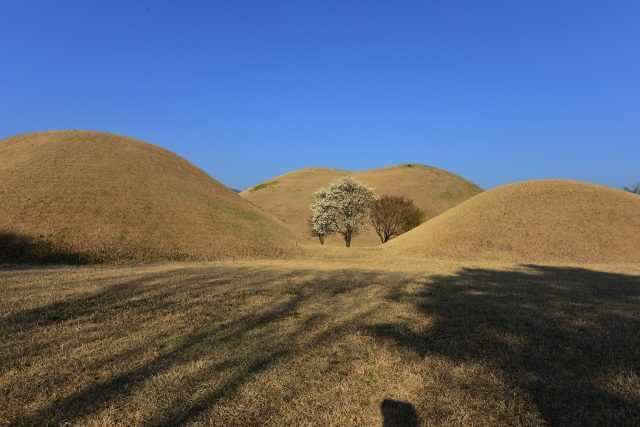
Today, the tower stands as a bridge between past and present. Surrounded by greenery, it overlooks a city where ancient burial mounds and modern apartment blocks coexist. Visitors come not just to take photographs but to stand in the presence of something that has witnessed over a thousand years of history. There’s a quiet intimacy to the place—no crowds, no grand narratives imposed by tour guides. In the evening, when the lights come on, the tower takes on a different character, its silhouette sharp against the darkening sky, as if still keeping watch over the same stars it once studied.
The observatory’s true purpose remains a subject of debate. Some argue that its design is too rudimentary for serious astronomical work, suggesting it may have been largely symbolic. Others point to the alignment of its stones and the way light falls during solstices and equinoxes as evidence of its practical use. The truth likely lies somewhere in between—a structure that was both functional and ceremonial, a physical manifestation of how the Silla people understood their place in the cosmos.
Gyeongju is often described as an open-air museum, and Cheomseongdae is one of its most compelling exhibits. Unlike more famous landmarks, it doesn’t demand attention; instead, it invites contemplation. There’s no need to rush. You can walk around it, sit nearby, and let the weight of history settle in. The tower doesn’t explain itself—it simply is, a silent witness to centuries of human curiosity and ambition.
For those interested in the history of science, Cheomseongdae offers a tangible connection to the past. It reminds us that astronomy is one of humanity’s oldest pursuits, a way of making sense of the world long before telescopes or satellites. But it’s also a reminder of how deeply science was intertwined with culture, religion, and politics in ancient societies. The Silla people didn’t separate these realms—they saw them as parts of a whole. Standing beside the tower, it’s easy to imagine the astronomers who once worked here, charting the movements of the heavens and wondering, just as we do, what it all means.