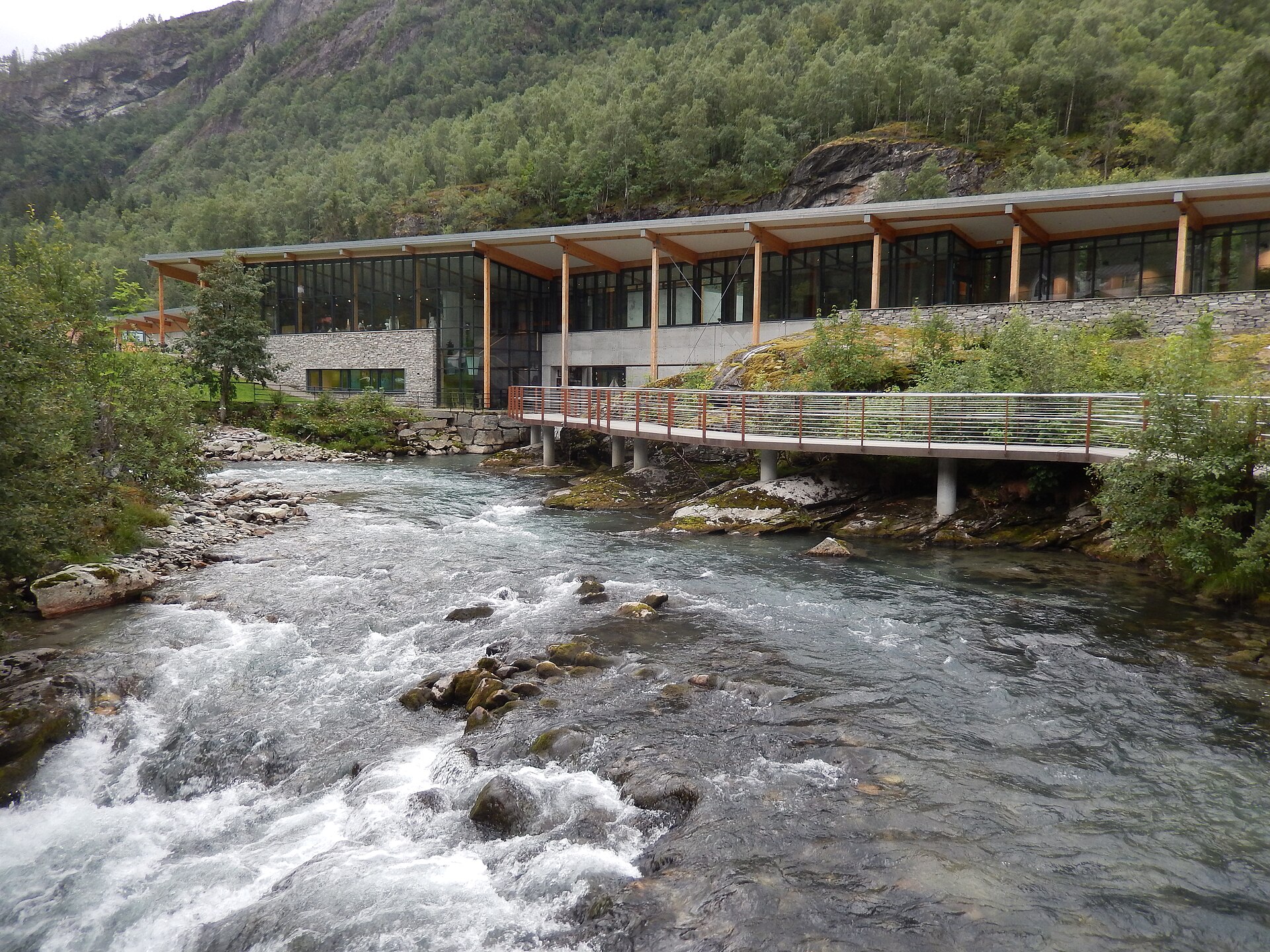
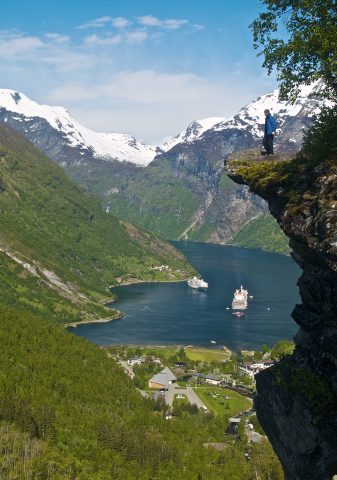
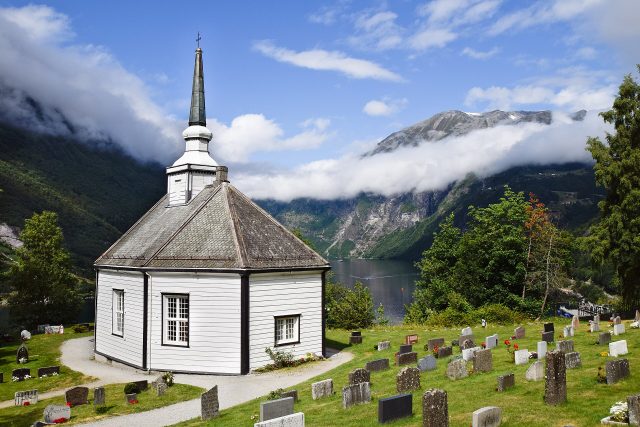
The Norwegian Fjord Museum in Geiranger is one of those rare places where the past and the natural world feel inseparable. Geirangerfjord itself, a UNESCO World Heritage site, is already breathtaking—sheer cliffs plunging into dark blue waters, waterfalls cascading down rock faces, and an almost eerie stillness broken only by the cry of gulls or the lap of waves against the shore. But the museum adds another dimension to this landscape, weaving together the stories of the people who have lived, worked, and shaped this rugged corner of Norway over centuries.
Housed in an unassuming older building, the museum doesn’t try to impress with grandeur. Instead, it feels like a natural extension of the fjord itself, as if it has always been part of the scenery. The structure once buzzed with activity—fishermen mending nets, traders bartering goods, and the first tourists arriving in the 19th century, drawn by the same dramatic views that captivate visitors today. Inside, the exhibits are arranged not just to display artifacts but to immerse you in the rhythms of life here when the fjord was more than a tourist destination—it was a workplace, a home, and a challenge.
The museum’s collection goes beyond the natural beauty of the fjord to focus on the people who called this place home. You’ll find old fishing boats, weathered tools, household items, and photographs that offer glimpses into daily life. A significant part of the exhibition is dedicated to the history of shipping, once the only way to reach Geiranger. Models of early steamships and accounts of their journeys reveal how travel here was an adventure in itself—before roads were built, a trip could take days, with unpredictable weather and rough waters making every voyage a test of endurance.
Tourism has been part of Geiranger’s story since the mid-1800s, when the idea of "wild nature" became fashionable among European travelers. The museum traces this evolution, from the first intrepid explorers who arrived by steamship and stayed in modest inns to the massive cruise ships that now bring thousands of visitors each year. The exhibits don’t romanticize the past—they acknowledge the hardships early tourists faced, from unreliable transport to basic accommodations, and the growing impact of mass tourism on the fjord’s fragile ecosystem.
One of the most compelling parts of the museum is its focus on the local community. For generations, people here adapted to the harsh conditions, building homes that could withstand fierce winds and heavy snow, and developing traditions around fishing, farming, and trade. The exhibits include stories of how locals interacted with the first tourists—women sewing traditional costumes to sell, men working as guides or boatmen, and families opening their homes to visitors. These personal accounts make the fjord feel less like a postcard-perfect landscape and more like a living, breathing place shaped by human hands.
The museum also doesn’t shy away from modern challenges. Exhibits explore the environmental pressures of mass tourism, the efforts to preserve the fjord’s unique ecosystem, and the delicate balance between welcoming visitors and protecting the landscape. Interactive displays let you see firsthand how human activity has changed the fjord over time, encouraging reflection on what it means to be a responsible traveler. It’s not a lecture—just a reminder that this place, like all natural wonders, is both resilient and vulnerable.
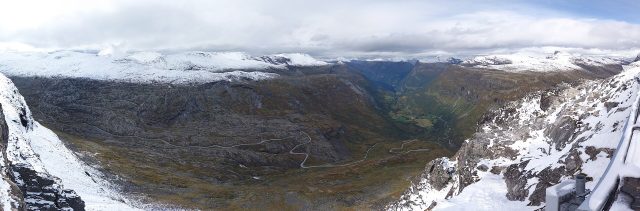
Visiting the museum changes how you see the fjord. After learning about its history, the cliffs and waterfalls take on new meaning. A boat ride along the water becomes a journey through time, passing the same landmarks that early travelers marveled at. Hiking to one of the viewpoints above the fjord feels different, too—less like ticking off a scenic spot and more like stepping into a story that’s still unfolding.
This isn’t a place to rush through. The museum invites you to linger, to read the stories, to examine the artifacts, and to sit quietly for a while, listening to the sounds of the fjord outside. It’s a reminder that the beauty of a landscape is inseparable from the people who have lived within it. After a visit here, the fjord might not just look different—it might feel different, too. No longer just a stunning view, but a place rich with history, waiting to be understood.