The National Theatre in Prague is more than just a building—it’s a living symbol of Czech identity, standing proudly on the banks of the Vltava River. Even on overcast days, its gilded roof catches the light, as if to remind passersby that art transcends time and borders. The theatre’s origins are deeply rooted in the 19th-century struggle for cultural sovereignty. When the Czech lands were part of the Austro-Hungarian Empire, the idea of a national theatre wasn’t just about performance; it was an act of quiet defiance, a way to preserve language, tradition, and self-expression in the face of political dominance.
The story of its construction is one of collective passion. The foundation stone was laid in 1868, an event that drew thousands to the riverbank in celebration. What makes this moment remarkable is how the theatre came to be: not through state funding, but through the contributions of ordinary people. Czechs donated their last coins, jewelry, and time, with artisans and artists working for little or no pay. The project was a labor of love, a testament to the belief that culture belongs to the people, not the powerful. When the theatre finally opened in 1881, the joy was short-lived—a fire destroyed much of the interior within weeks. Yet the nation refused to let the dream die. In just two years, the theatre was rebuilt, reopening in 1883 with a resilience that still defines its spirit.
Architecturally, the National Theatre is a masterpiece of the Czech Renaissance revival, a style chosen to embody national pride. The façade is adorned with sculptures of gods, muses, and allegorical figures representing art and science, while above the main entrance, the inscription *Národ sobě*—"The Nation to Itself"—serves as both motto and mission. Inside, the opulence is breathtaking: marble staircases, crystal chandeliers, and ceiling frescoes painted by the era’s finest artists. The most famous feature is the curtain, designed by Vojtěch Hynais, depicting intertwined allegories of homeland and creativity—a visual metaphor for the theatre’s role in Czech history.
Today, the National Theatre remains a vital cultural institution, hosting opera, ballet, and drama with a focus on both Czech classics and international works. The auditorium, with its thousand seats, carries an air of reverence, where every performance feels like an event. There’s a sense of occasion here, but without pretension; the atmosphere is dignified yet warm, as if the building itself understands its place in the nation’s story. It’s not just a venue for entertainment—it’s a space where art and memory intersect, where the past is honored but never confined to it.
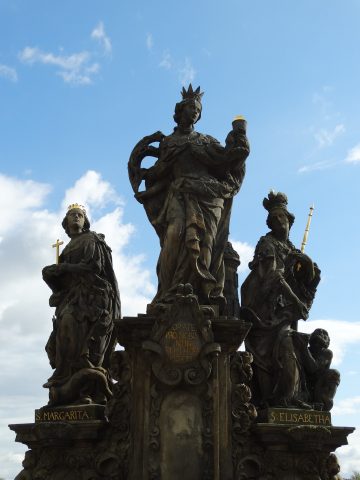
The area around the theatre is just as compelling. The Nové Město embankment offers one of the best views of Prague Castle, especially at dusk when the river reflects the golden glow of the theatre’s dome. Nearby, a statue of Bedřich Smetana stands as a tribute to the composer whose opera *Libuše* became an anthem of Czech national revival. A short walk away, Charles Bridge stretches across the Vltava, its statues of saints watching over the city like silent guardians of its heritage.
What makes the National Theatre truly special is how it bridges history and the present. It’s not a museum, but a place where the past is still alive—where every stone, every note played by the orchestra, every performance on stage carries the weight of what came before. You don’t need to attend a show to feel its significance. Sitting on the steps outside, watching the river flow beneath the theatre’s lights, it’s easy to imagine the generations of Czechs who saw this place as a promise—a promise of cultural freedom, of a voice that could not be silenced.
The theatre doesn’t preach its history; it embodies it. The grand architecture, the stories told on stage, even the way the building stands firm against the river’s current—all of it speaks to a nation’s enduring belief in the power of art. Whether you come for a performance or simply to soak in the atmosphere, the National Theatre offers something rare: a connection to a shared past, and the quiet assurance that some things are worth preserving.