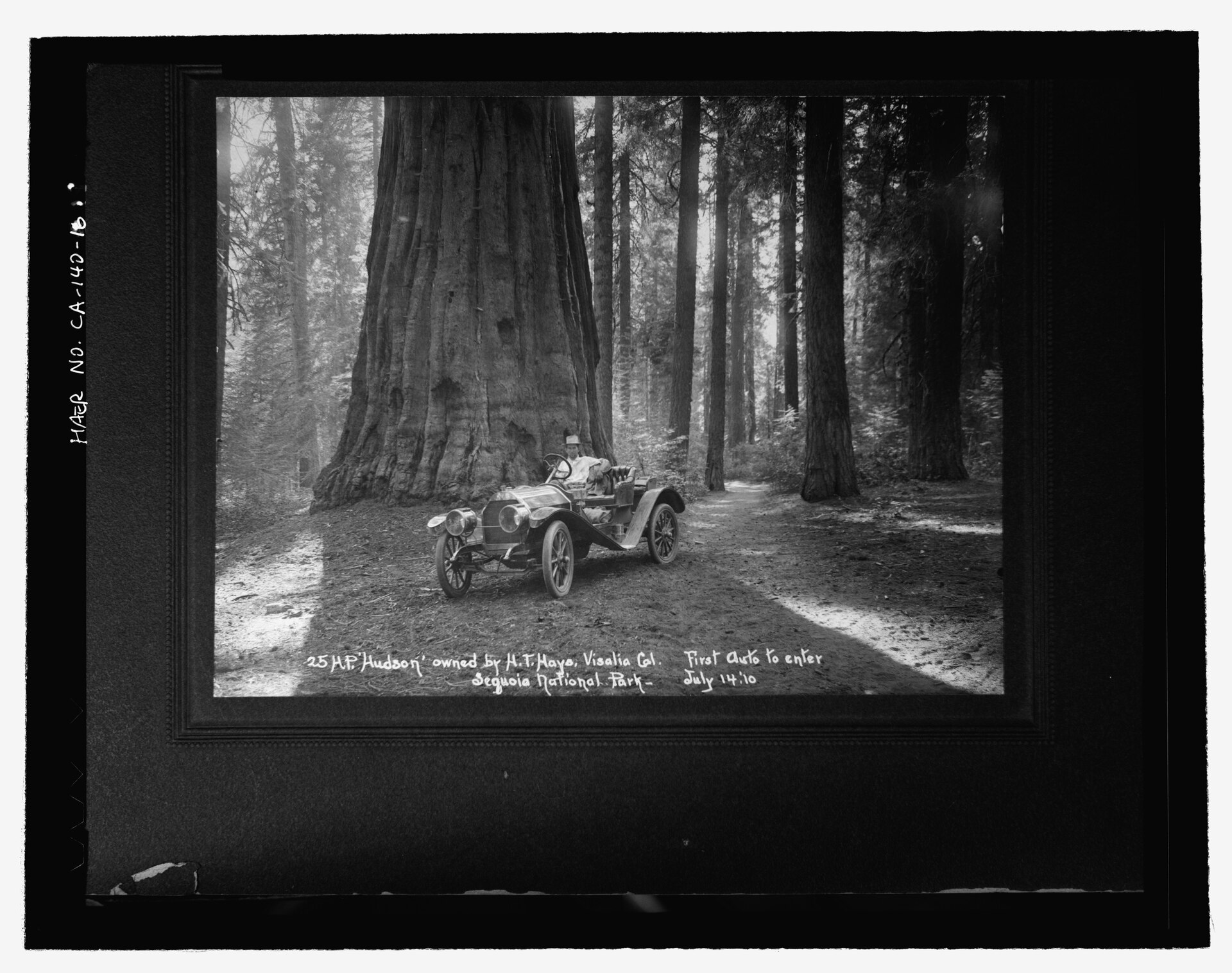
Sequoia National Park feels like a place where nature decided to show off. Tucked into the southern reaches of California’s Sierra Nevada mountains, it spans over a thousand square kilometers of rugged wilderness, much of it untouched and rarely visited. The park is home to giant sequoias, the most massive trees on Earth, some standing over eighty meters tall and living for more than two thousand years. Walking among them is like stepping into another world—one where time moves differently, and humans are just passing through.
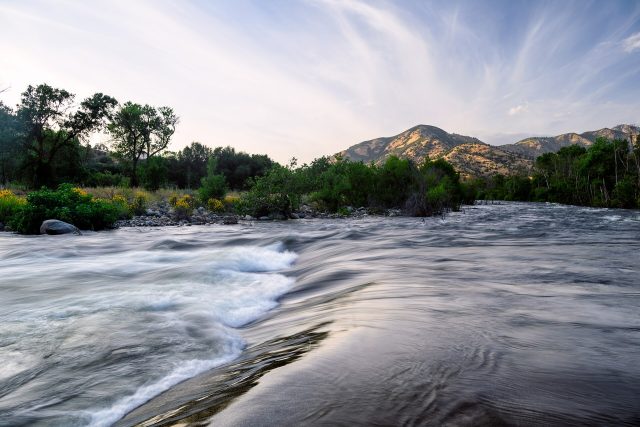
The park was established in the late 1800s, making it the second national park in the U.S. after Yellowstone. Its creation wasn’t just about preserving beauty; it was a response to the rapid logging that threatened these ancient forests. Conservationists like John Muir fought to protect the sequoias, and today, the park stands as both a sanctuary and a reminder of that struggle. Beyond the trees, the landscape unfolds in layers—towering peaks, deep canyons, alpine meadows, and clear rivers that sustain the entire ecosystem.
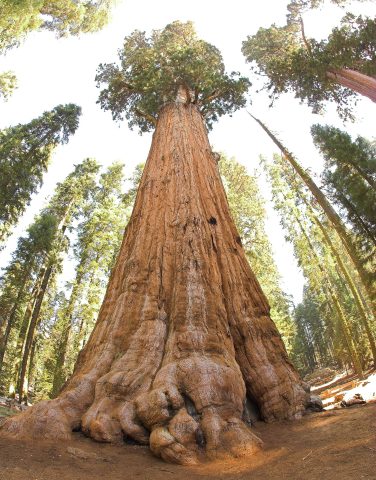
The most famous spot in the park is the Giant Forest, where the General Sherman Tree grows. It’s the largest tree on Earth by volume, with a trunk so wide it would take a dozen people holding hands to encircle it. Standing beside it, you can’t help but wonder how many seasons, storms, and human lifetimes it has witnessed. Nearby, other named giants like the General Grant, President, and Lincoln trees each have their own stories, shared by rangers who know them well. A walk through the grove isn’t just a hike; it’s a journey through centuries.
Beyond the sequoias, the park is defined by its mountains. Mount Whitney, the tallest peak in the contiguous U.S., rises to 4,421 meters, offering a serious challenge for climbers. Even if you’re not summiting, the views from places like Moro Rock are breathtaking. On clear days, the horizon stretches endlessly, and the vastness of the landscape makes everything else feel small.
For those who prefer gentler adventures, the park has plenty to offer. Crystal Cave hides underground chambers filled with delicate stalactites and stalagmites, while Tokopah Falls Trail leads to one of North America’s tallest waterfalls. In spring, the falls roar with snowmelt, but by summer, the flow eases, revealing quiet pools perfect for a dip. The park changes with the seasons—spring wildflowers carpet the meadows, summer air hums with the scent of pine, autumn paints the trees in gold and crimson, and winter blankets the peaks in snow, turning the park into a quiet, frozen wonderland.
Wildlife thrives here, too. Black bears, mountain lions, and bobcats roam the backcountry, while smaller creatures and birds fill the forests. Rivers teem with trout, drawing anglers to their banks. Dawn and dusk are the best times to spot animals, even near the edges of the park. But this is their home, and visitors are reminded to respect the rules—keeping food secured, giving animals space, and remembering that encounters are a privilege, not a guarantee.
Sequoia National Park isn’t just a place to see; it’s a place to feel. The quiet of the forests, the rush of a waterfall, the vastness of the mountains—it all serves as a reminder of how small we are in the grand scheme of things. The park isn’t a museum; it’s a living, breathing ecosystem that continues to evolve, despite the changes happening beyond its borders. That’s why it draws people back, year after year. It’s not just about the trees or the views; it’s about the sense of connection—to nature, to history, and to something bigger than ourselves.