- Home
- United States
- Three Rivers
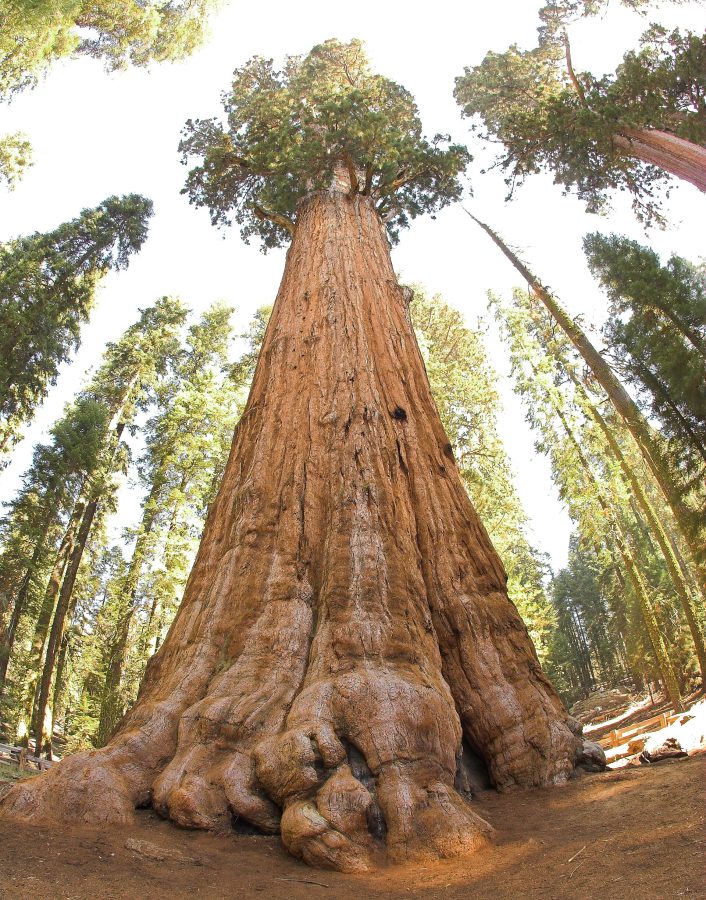
Three Rivers
United States · 3 places
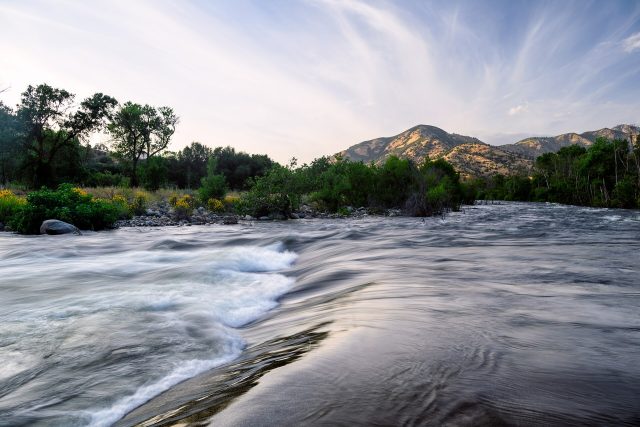
Photo: Jim Bahn, CC BY 2.0
Three Rivers is one of those places where California still feels like itself—unhurried, unpolished, and quietly alive. Tucked into the foothills of the Sierra Nevada, it sits where three rivers—the Kaweah, the Kern, and the Tule—converge, giving the town its name. There are no skyscrapers here, no freeway roar, just golden hills rolling into the distance and mountains that loom closer on clear days, their ridges sharp against the sky. In summer, the air carries the scent of dry grass and pine, while winter brings the occasional dusting of snow, though the cold never really settles in. Locals call it "Trez," a nickname that sounds like an old friend’s greeting, warm and effortless.
Life moves at its own pace, but it’s far from sleepy. Mornings start with farmers hauling in crates of peaches, grapes, and walnuts at the weekly market—this land has always been generous. The main street’s cafés are a mix of regulars, gray-haired men debating the news over coffee, and travelers pausing on their way to Sequoia and Kings Canyon National Parks. Those parks are the big draw, and most people treat Three Rivers as a pit stop, a place to refuel before the mountains. But those who linger discover something else: the quiet trails along the rivers, the old ranches where horses still graze behind weathered fences, and sunsets that turn the hills into fire.
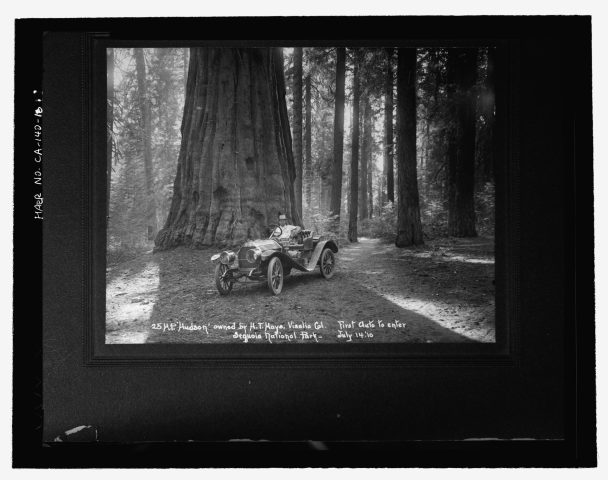
The town’s past is woven into the landscape. In the 1800s, it was a waypoint for gold prospectors and later a settlement for farmers and ranchers. A few red-brick buildings and wooden storefronts remain, their facades worn but sturdy, like something out of an old Western. The local museum holds relics of that era—rusted mining tools, faded photographs of the first families, maps where Three Rivers doesn’t even have a name yet. But the real history isn’t in the exhibits; it’s in the way people here still live, passing down stories and traditions as naturally as the rivers flow.
Seasons shape the town’s rhythm. Summer brings life—campgrounds fill up, kayaks dot the rivers, and evenings end with open-air concerts in the square. Winter slows things down, the streets quiet except for the occasional car or the curl of smoke from a chimney. Locals say this is the best time to visit, when the silence feels like a gift. Even at its busiest, Three Rivers never feels crowded, just gently alive, the kind of place where you can lose track of time without losing comfort.
There are no luxury resorts here, just guesthouses where the owners remember your name and diners serving hearty, no-frills meals. The real luxury is the space—the secluded picnic spots, the horseback rides through oak groves, the trails where the only sound is the river rushing over rocks. On clear nights, the stars stretch endlessly, untouched by city lights, just as they must have looked to the first settlers. Three Rivers doesn’t try to impress. It doesn’t need to. It’s the kind of place that lingers in your memory long after you’ve left, a quiet corner where time feels a little softer.
See & Do
All of them
Places on the map
Marker colour follows the categoryClimate and weather
Detailed weather: Three Rivers- Average temperature
- 19 °C
- Precipitation per year
- 267 mm
Average air temperature
°C
10
12
14
18
22
27
30
29
26
20
13
9
Jan
Feb
Mar
Apr
May
Jun
Jul
Aug
Sep
Oct
Nov
Dec