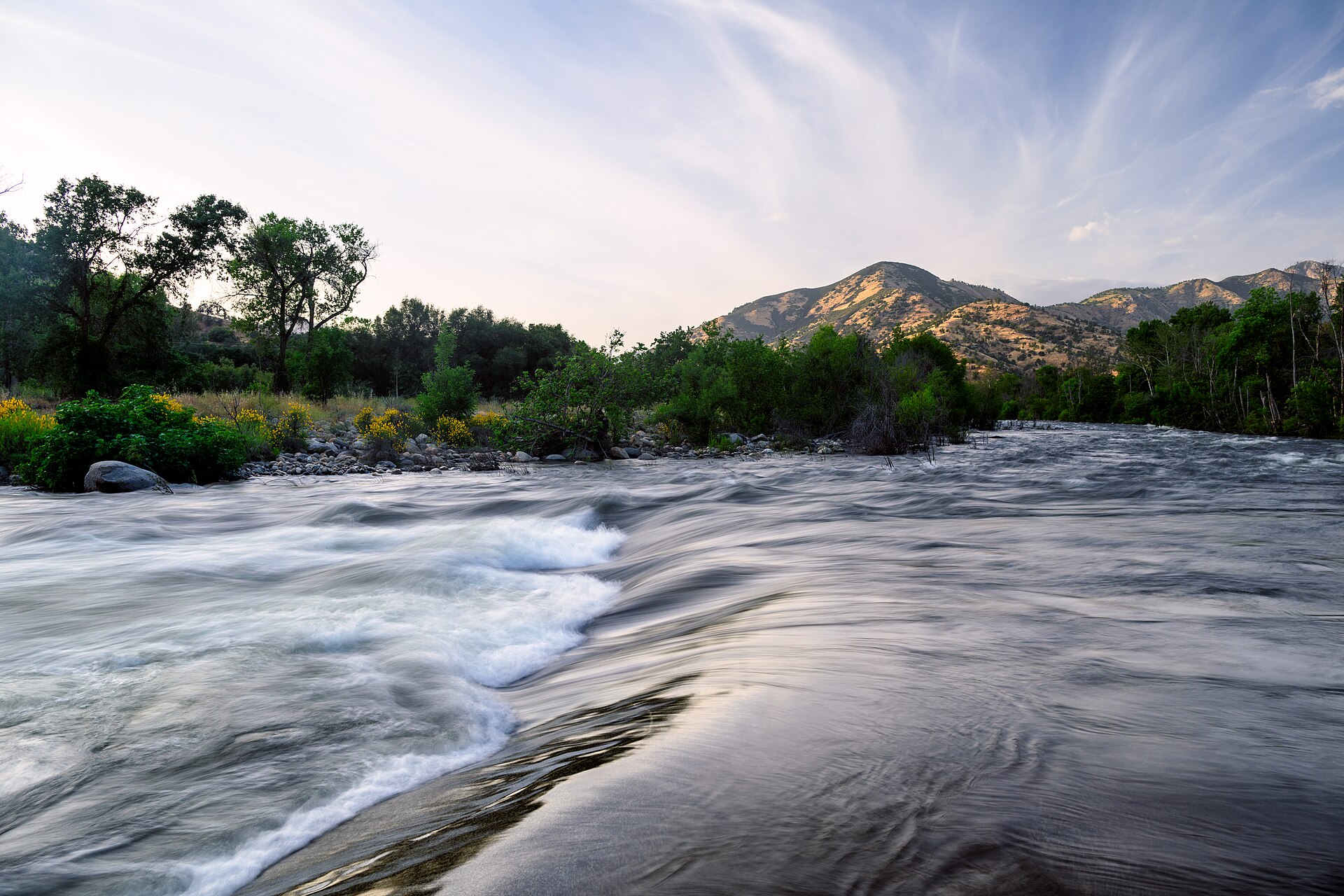
Nestled in the foothills of California’s Sierra Nevada, the Three Rivers Valley Museum feels less like a formal institution and more like a quiet conversation with the past. This isn’t a place where history is preserved behind glass barriers or narrated by a guide rushing through facts. Instead, it unfolds slowly, piece by piece, in a town where the Tule, Kaweah, and Kern rivers have shaped life for centuries. The museum gathers fragments of that life—baskets woven by the Yokuts people, tools from the Gold Rush, photographs of early settlers—each object telling a story without needing to shout.
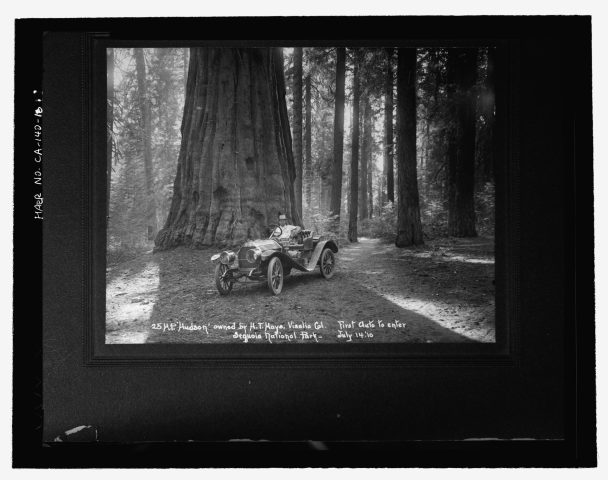
Three Rivers itself began as a waypoint for travelers heading into Sequoia National Park, a place where prospectors and homesteaders paused before moving on. By the late 1800s, it had grown into a small but stubborn settlement, clinging to the land between the rivers. The museum came later, born from the efforts of locals who refused to let their history disappear. What started as a few boxes of keepsakes in someone’s shed became a collection that spans generations—from the Yokuts, who fished and foraged along the rivers, to the farmers and ranchers who still work the land today.
The exhibits move at their own pace. In one corner, Yokuts baskets made from willow branches sit beside stone arrowheads, their edges still sharp after centuries. Nearby, the tools of the first white settlers—rusted axes, heavy boots, yellowed letters—hint at the backbreaking labor of carving a life from the wilderness. There’s no grand narrative here, just the quiet weight of objects that were once ordinary, now made extraordinary by time.
The Gold Rush displays don’t romanticize the era. Instead, they show the grit and desperation of those who came searching for fortune. A rusted pickaxe, a dented gold pan, and a tiny nugget no larger than a fingernail sit in a case, while a model of a mine tunnel illustrates the claustrophobic darkness where men gambled their lives. Nearby, documents tell of the diseases that ravaged prospectors and the conflicts with the Yokuts, whose land was seized for claims. It’s a stark reminder that history isn’t always pretty.
Farming in the valley has its own story, told through the worn machinery that still dots the landscape. Old tractors, plows, and threshers stand as if they’ve just been pulled from a barn, their metal surfaces bearing the scratches of decades of use. Photographs show families who have farmed here for generations, their faces lined with sun and wind. Some of the tools look almost comical next to modern equipment, but the work they represent was anything but—turning over an acre of earth by hand was a test of endurance.
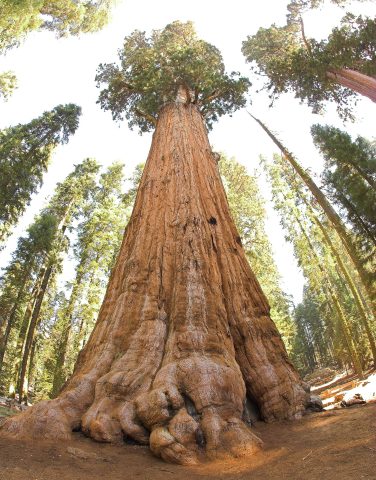
The museum also acknowledges the present, particularly the role of Sequoia National Park in shaping the region. Just a few miles away, the park draws visitors from around the world, but for locals, it’s always been part of life. Exhibits include vintage maps of the park, photographs of early tourists arriving on horseback, and paintings of the towering sequoias that have inspired artists for over a century. It’s a reminder that while the land changes, some things remain constant.
A small memorial hall honors the soldiers from the valley who served in wars across the decades. Letters from the front, medals, and worn army boots line the walls, each item tied to a name and a family. In a town where everyone knows each other, these stories aren’t just history—they’re personal. The exhibits feel like a tribute rather than a display, a quiet acknowledgment of sacrifice.
One of the museum’s most understated charms is its lack of pretension. Visitors can pick up a book from the 1920s, flip through its pages, and feel the faint impression of someone else’s fingers doing the same. They can linger over photographs, studying the faces of people who once walked these same streets. There’s no rush, no pressure to move on—just the sense that history isn’t something distant, but something that lingers in the air.
When you step back outside, Three Rivers no longer feels like just another dot on the map. The valley, framed by mountains and crisscrossed by rivers, carries its past in the land itself. The museum isn’t just a collection of artifacts; it’s a doorway, one that opens just enough to show that the past isn’t gone—it’s still here, waiting to be noticed.