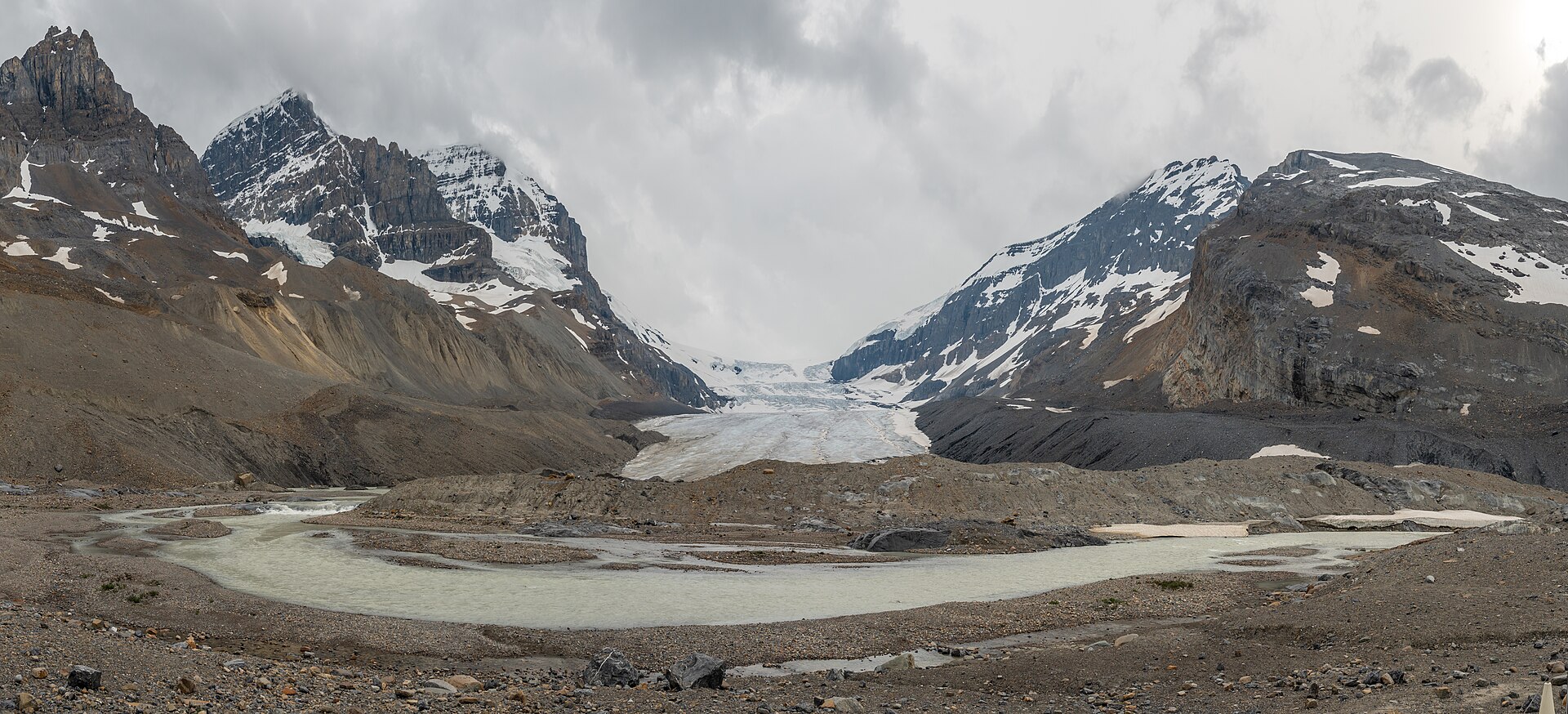
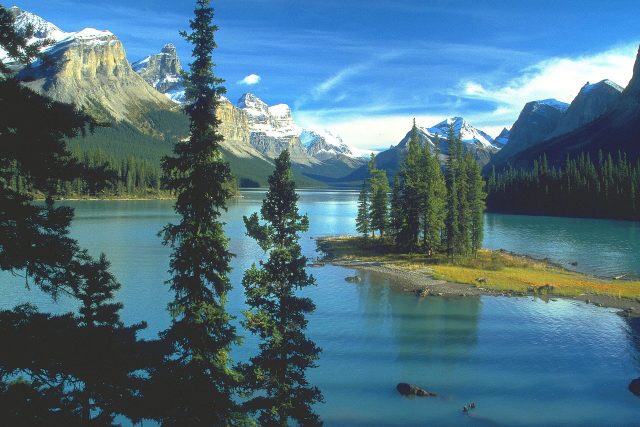
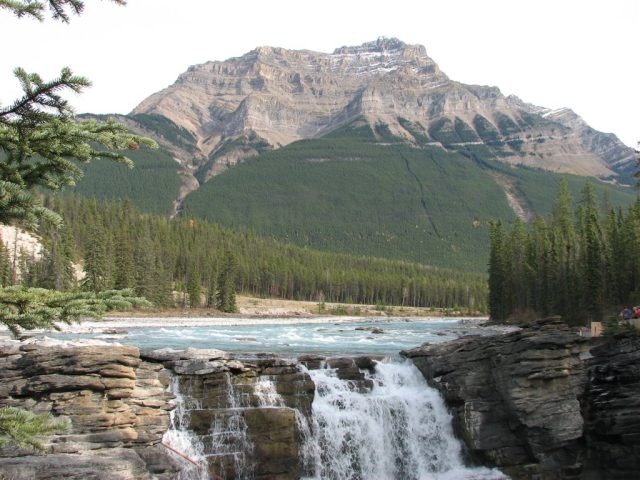
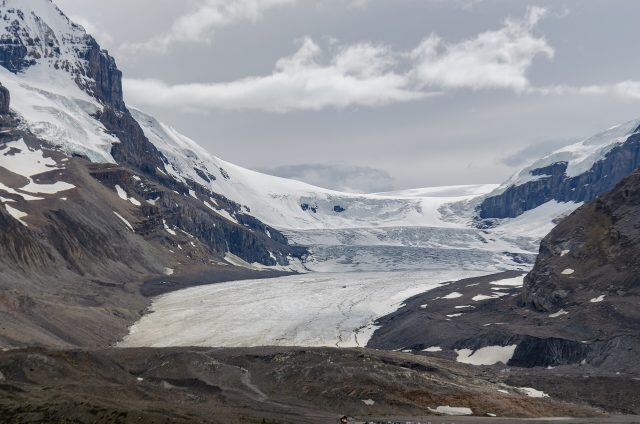
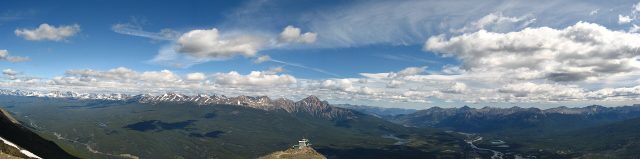
Jasper National Park is where the wild heart of Canada reveals itself in all its untamed grandeur. Stretching across more than 11,000 square kilometers of the Alberta Rockies, it’s the largest national park in the Canadian Rockies, a vast expanse where time seems to slow down. Here, jagged mountain peaks rise above ancient glaciers, while turquoise lakes mirror the sky and dense forests hum with the quiet rustle of wildlife. There are no crowded streets or neon signs—just the raw, unfiltered beauty of a landscape that has remained largely unchanged for centuries. This isn’t just a park; it’s a living ecosystem where every rock, river, and tree exists in delicate balance, and humans are merely passing through.
The park’s history is woven into the land itself. Established in 1907 as a forest reserve, Jasper later became a national park in 1930, and in 1984, it was designated a UNESCO World Heritage Site alongside other Canadian Rocky Mountain parks. The name honors Jasper Hawes, a fur trader who worked with Indigenous communities in the early 1800s. But long before European settlers arrived, this land was home to the Stoney Nakoda, Cree, and Blackfoot peoples, who hunted, fished, and held ceremonies in these valleys and along these rivers. Their presence lingers in the names of places and the stories still told about the land.
What makes Jasper’s architecture isn’t human hands, but the land itself. The mountains here aren’t just scenery—they’re the main attraction. Edith Cavell’s sheer cliffs rise like a fortress, while Mount Columbia’s snow-capped peak dominates the skyline. Glaciers creep down the slopes like frozen rivers, and lakes such as Maligne, Medicine, and Patricia each have their own personality. Maligne’s waters are so clear they seem to glow, Medicine Lake is wrapped in mist and mystery, and Patricia’s shores are lined with whispering pines. Even the roads and trails are designed to blend in, with bridges and viewpoints built to feel like natural extensions of the landscape rather than intrusions.
This is a place made for exploration. In summer, the park’s endless trails lead to hidden waterfalls, alpine meadows bursting with wildflowers, and high mountain passes where the air is thin and the views stretch forever. Backpackers set up camp under star-filled skies, canoeists paddle across glassy lakes, and wildlife—grizzlies, elk, bighorn sheep—often wander close enough to see from the road. Winter transforms Jasper into a different kind of wilderness, where snow blankets the forests and ice climbers scale frozen waterfalls. The park is also part of the world’s largest dark sky preserve, meaning the night skies here are so clear you can see the Milky Way spill across the horizon like a river of light.
Despite its remote feel, Jasper isn’t cut off from the world. The small town of Jasper sits at the park’s heart, a quiet base for travelers. There are no high-rises or flashy attractions here—just wooden storefronts, cozy cafés, and lodges where the scent of pine lingers in the air. The town moves at the same unhurried pace as the wilderness around it, a place where visitors can pause and remember what it’s like to step outside the rush of modern life. It’s not a destination for those seeking luxury or entertainment, but for those who want to feel connected to something bigger than themselves.
One of the park’s most striking features is the railway that cuts through it from east to west. Built in the early 1900s, the line still carries both freight and passengers, offering a glimpse of the Rockies that can’t be seen from the highway. Riding the train through Jasper is like stepping back in time—past towering peaks, across trestle bridges, and through valleys where the only sounds are the whistle of the locomotive and the wind in the trees. In summer, the scenic passenger trains draw crowds, while winter turns the landscape into a silent, snow-dusted wonderland.
Jasper doesn’t try to impress. It doesn’t need to. The park’s magic lies in its quiet persistence, its refusal to bend to the expectations of tourists. Even the most popular trails rarely feel crowded, and many of its hidden corners remain accessible only to those willing to put in the effort to find them. There’s no grand spectacle here, just the steady, unshakable presence of the natural world. That’s why people keep coming back—not for the thrill of checking off another destination, but for the chance to stand in a place where the earth still feels untouched, where the mountains and forests remind you what it means to be small in the best possible way.