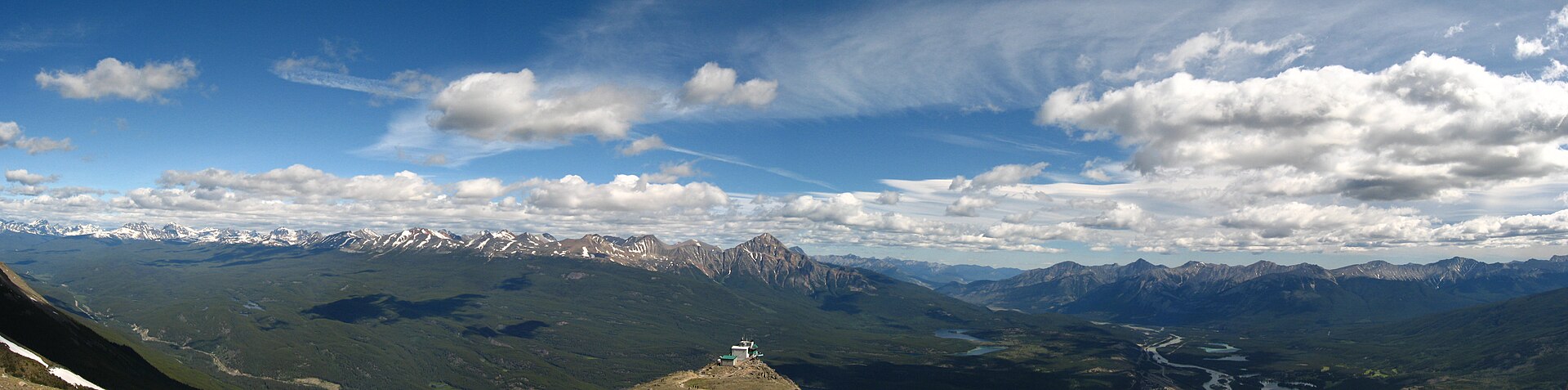
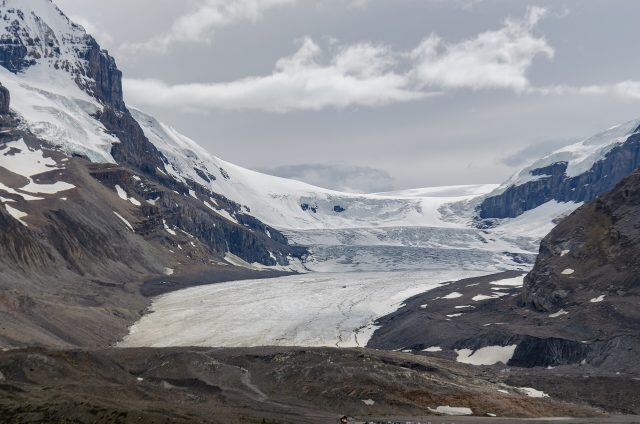
Whistlers Mountain is one of those rare places in the Canadian Rockies where the landscape feels deliberately arranged to remind you of your place in the world—small, temporary, and humbled by something far greater. Rising above the Jasper Valley, it offers views that shift with every glance: endless forests stretching toward jagged peaks, glaciers creeping down rocky slopes, and valleys unfolding far below like a living map. There’s no resort bustle here, no crowds jostling for the perfect selfie. Instead, there’s silence, broken only by the wind or the occasional cry of a bird, and the quiet sense that time moves differently when you’re surrounded by mountains this vast.
Though not the tallest peak in Jasper National Park, Whistlers has become an emblem of the region. Its accessibility might be part of the reason. Unlike many summits that demand hours of climbing, this one can be reached by anyone willing to step into a gondola. The ride takes about twenty minutes, but the transformation along the way feels like crossing into another world. Below, dense evergreen forests give way to open slopes where patches of snow linger even in summer, and the air grows thinner as the valley shrinks beneath you.
The mountain’s history is woven into the story of tourism in the Rockies. When the railway first connected Jasper to the rest of Canada in the early 1900s, travelers began arriving in search of untamed wilderness. Whistlers quickly became a favorite destination, its trails among the first carved into the landscape. The gondola, built in the 1960s, opened the mountain to a broader audience—no longer just climbers and adventurers, but families, photographers, and anyone drawn to the quiet majesty of the peaks. It’s a place where people come not to conquer, but to witness.
The upper gondola station is a study in how architecture can blend with nature without overpowering it. Built from wood and stone, the building seems to grow from the mountain itself, its large windows framing the Athabasca Valley and the surrounding peaks like a series of paintings. Inside, the space is airy and uncluttered, with a café where visitors can warm up with coffee or hot chocolate. The observation deck is the real draw, though, especially at sunrise or sunset, when the light turns the snowfields gold and the shadows stretch long across the slopes. In winter, the crowds thin, and the silence feels deeper, as if the mountain has finally exhaled.
For those who want to explore beyond the gondola, Whistlers offers trails that range from gentle walks to more demanding hikes. The easiest route leads to a viewpoint near the summit, where the Columbia Icefield glows in the distance like a frozen sea. More experienced hikers might tackle the Skyline Trail, which winds through alpine meadows and over rocky passes. In summer, wildflowers dot the slopes, and in autumn, the larch trees blaze with color. Winter transforms the paths into snowshoe routes, where the only sounds are the crunch of boots on snow and the distant rumble of an avalanche echoing through the valleys.
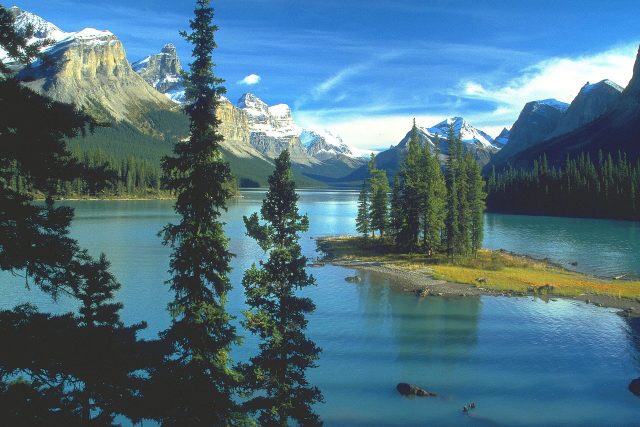
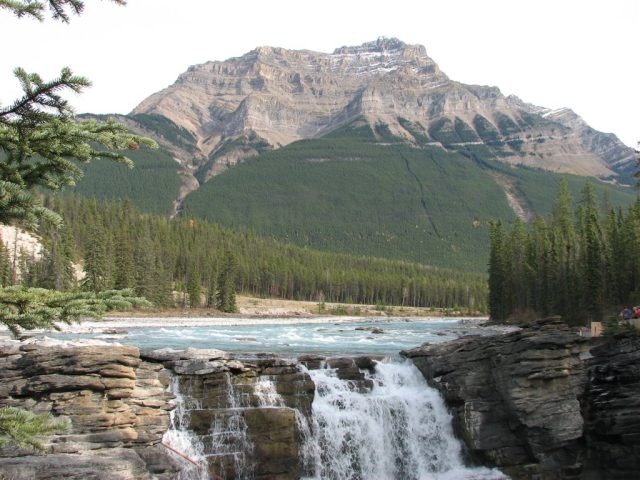
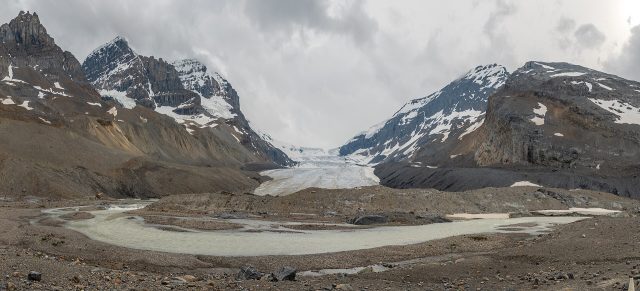
Whistlers isn’t just a destination; it’s a starting point for discovering Jasper National Park. From here, it’s easy to reach other landmarks—the Athabasca Glacier, Maligne Lake, or the quiet beauty of Whistler Creek. Many visitors come for a day, but those who stay longer often find themselves slipping into a different rhythm. There’s no need to rush, no itinerary to follow. The days unfold slowly, shaped by the light on the peaks or the way the wind carries the scent of pine through the air.
The mountain changes with the seasons, each version offering something distinct. Summer brings green slopes and wildflowers, while winter drapes everything in snow, turning the landscape into a vast, silent expanse. Spring and fall are quieter, the perfect times to experience the Rockies without the crowds. Even in peak season, though, Whistlers retains its sense of space. There’s always a quiet corner where you can sit on a rock and listen to the wind moving through the pines, or watch a marmot dart between boulders.
What makes Whistlers memorable isn’t any single feature, but the way it makes you feel. There are no flashy attractions here, no manufactured thrills—just the raw, unfiltered presence of the mountains. It’s a place that invites you to pause, to look around, and to remember that the world is far bigger and more beautiful than the daily grind often allows. Maybe that’s why people keep coming back. Not for the views, though they’re spectacular, but for the quiet certainty that here, at least, the noise of life fades into something simpler. Something real.