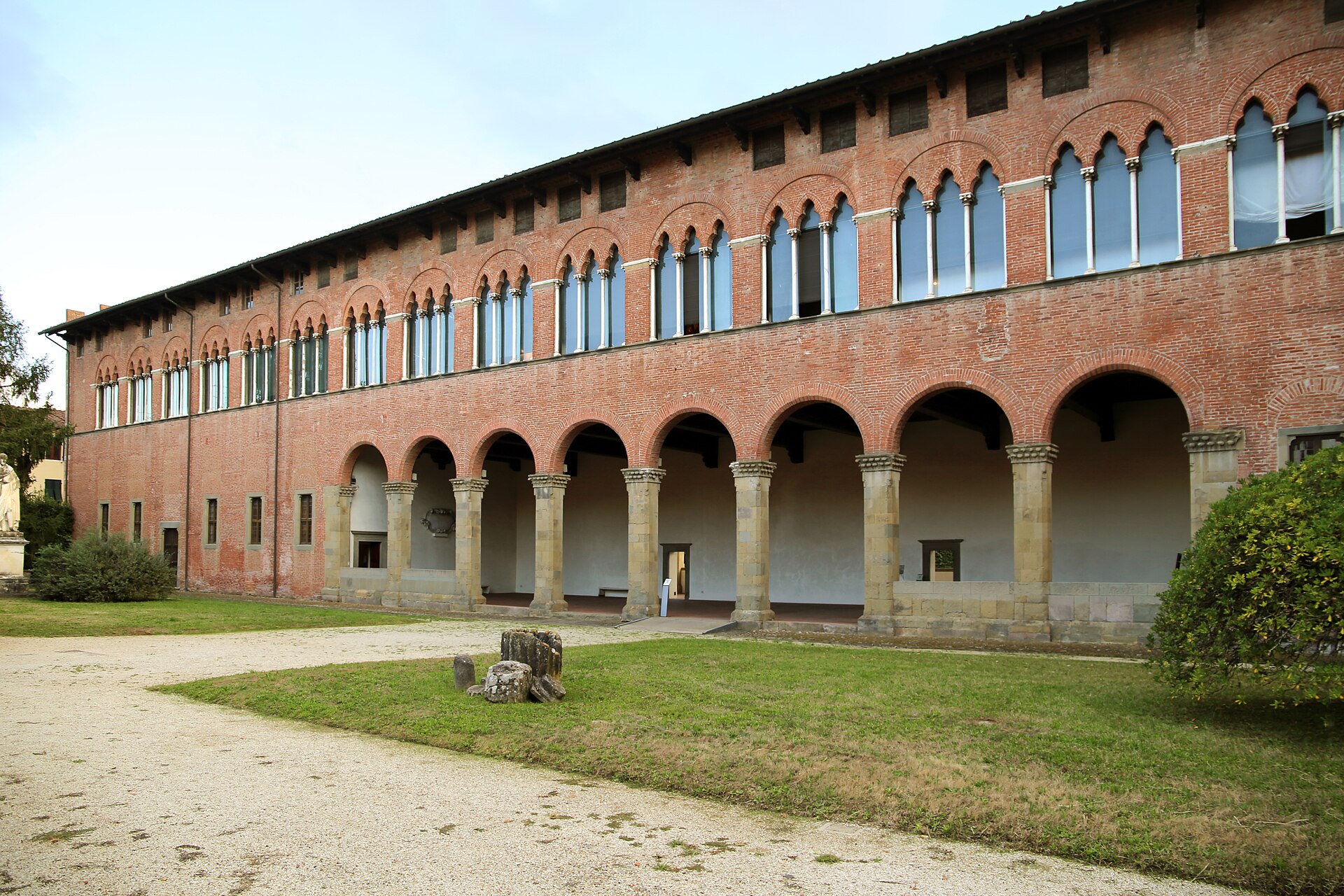
Villa Guinigi is one of those rare museums where the building itself tells as much of a story as the artifacts inside. Built in the early 15th century as a country retreat for the Guinigi family, who ruled Lucca during its republican heyday, the villa was never meant to be a grand display of wealth. Instead, it was a place of quiet power—a retreat where the city’s elite could step away from the political stage while still shaping its future. The thick stone walls, arched loggias, and faded frescoes in the inner courtyards all whisper of a time when Lucca was a fiercely independent republic, navigating alliances and conflicts with Florence, Pisa, and beyond.
Walking through the villa’s rooms, you sense the layers of history embedded in its architecture. Unlike the ornate palazzi of Florence, Villa Guinigi was designed for comfort and reflection. The high ceilings and spacious halls were meant for long conversations over wine, not for ostentatious balls. Some of the original furnishings remain, giving the space an intimacy that larger museums often lack. It’s easy to imagine a member of the Guinigi family pacing these floors, weighing a decision that could shift the fate of the city, or a visiting diplomat being charmed into an alliance over a meal in the grand dining hall.
The museum’s collection is deliberately focused, avoiding the overwhelming scale of national institutions. Instead of trying to cover every era, it zeroes in on Lucca’s story—its struggles, its art, and its place in the broader currents of Italian history. The medieval armor and weapons on display aren’t just relics; they’re reminders of the wars Lucca fought to maintain its independence. The collection of coins and seals, though small, speaks volumes about the city’s economic clout during the Renaissance, when its merchants and bankers were as influential as its soldiers.
One of the most compelling sections is the archaeological exhibit, which traces Lucca’s origins back to its Roman past. The city sits on the site of an ancient settlement, and the museum holds fragments of that earlier world: mosaics, pottery, and tools that hint at daily life two millennia ago. The funerary steles and sarcophagi, with their worn Latin inscriptions, are particularly moving. They offer a glimpse into the lives of ordinary people—merchants, soldiers, mothers—who walked these same streets long before the Guinigi family rose to power.
The rooms dedicated to the Guinigi themselves are a study in contrasts. Portraits of the family’s rulers line the walls, their expressions ranging from stern authority to weary resignation. Documents and personal items—letters, seals, even a few pieces of jewelry—paint a picture of a dynasty that was both revered and resented. The Guinigi didn’t just rule Lucca; they were players in the larger game of Italian politics, shifting alliances with the skill of seasoned diplomats. Their story is one of ambition, betrayal, and eventual decline, a microcosm of the Renaissance itself.
What makes Villa Guinigi special is its refusal to be a mere showcase. There are no vast halls crammed with artifacts here, no attempt to dazzle with sheer volume. Instead, each object feels carefully chosen, as if the curators wanted visitors to linger, to really see the details—a carved wooden saint’s face worn smooth by time, a child’s toy unearthed from a Roman ruin, a ledger recording a merchant’s debts. The villa’s original decor, where it survives, adds to the sense of stepping into the past. A faded fresco in one room, a worn stone staircase in another—these aren’t just backdrops; they’re part of the story.
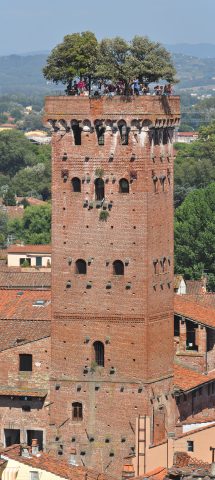
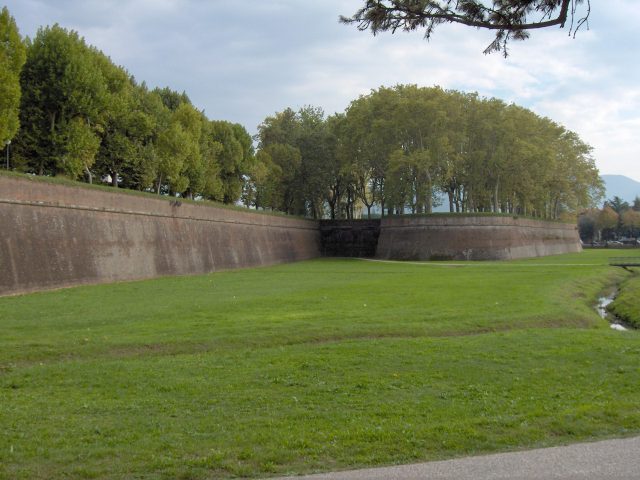
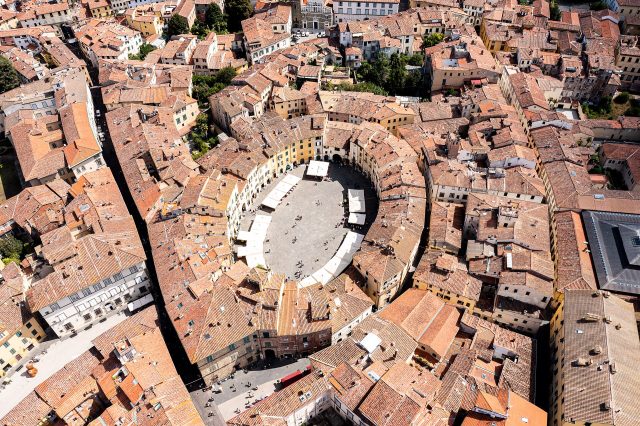
For anyone who knows Lucca only as a charming medieval city encircled by its famous walls, the villa offers a deeper perspective. It’s a reminder that behind the postcard-perfect towers and piazzas lies a complex history of trade, war, and cultural exchange. The museum doesn’t just display history; it invites you to feel it. After a few hours wandering its rooms, the city outside takes on new meaning. The streets aren’t just picturesque; they’re layered with centuries of human experience. The walls aren’t just fortifications; they’re the remnants of a republic that once stood as an equal to Florence and Siena.
One of the villa’s quiet pleasures is its lack of crowds. Unlike the Uffizi or the Vatican Museums, where you’re often jostling for space, Villa Guinigi allows for a slower, more contemplative visit. You can spend as long as you like in front of a single display, or simply sit on a bench in the courtyard, listening to the echo of footsteps on the old stone floors. This isn’t a place for quick snapshots or hurried tours. It’s for those who want to understand Lucca—not just as a destination, but as a place with a pulse, a city that has been lived in, fought over, and loved for more than two thousand years.