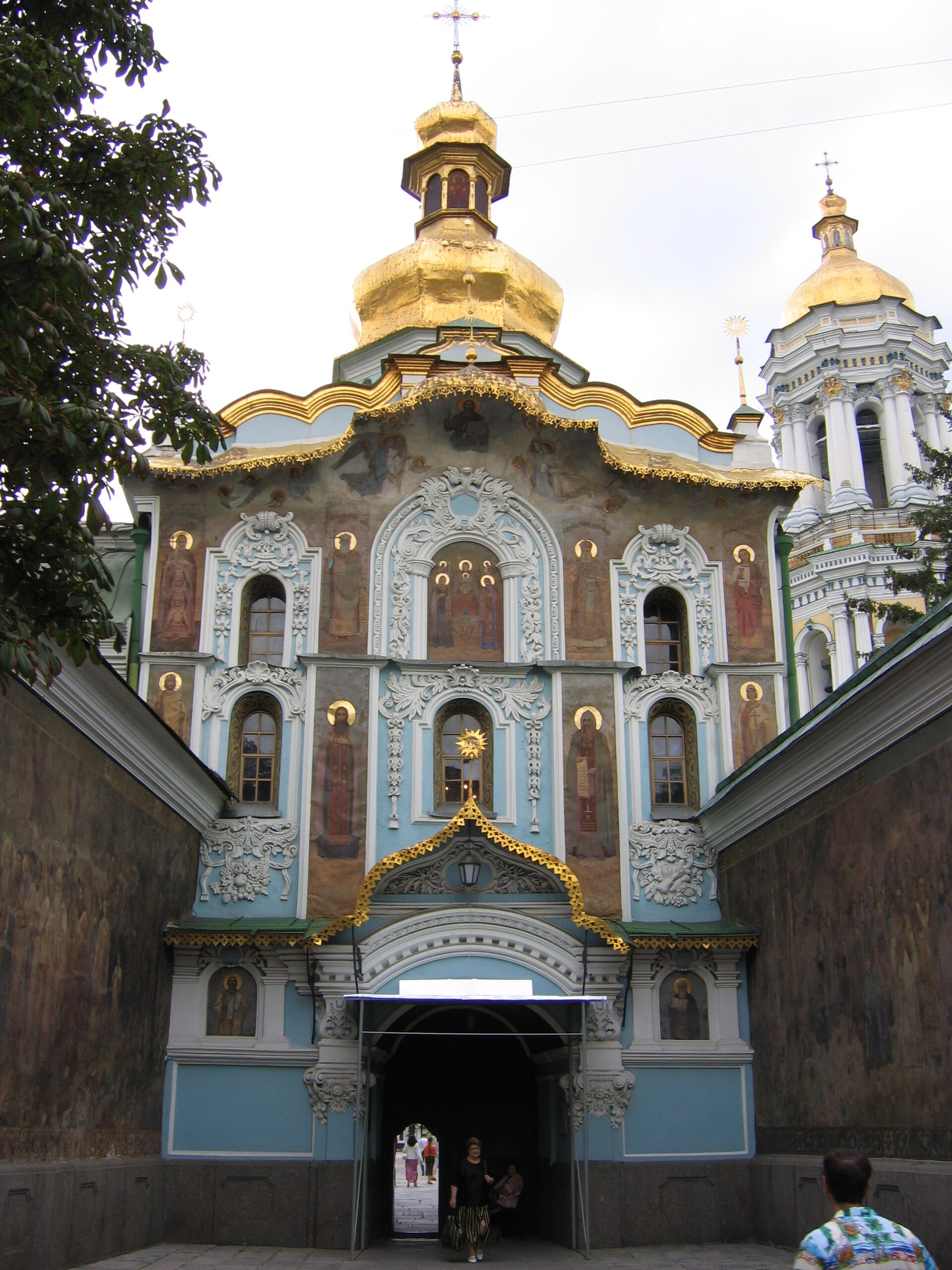
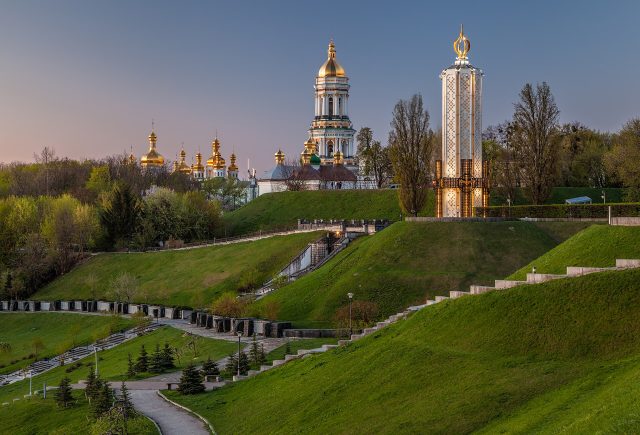
The National Museum of Ukrainian Folk Decorative Art sits within the grounds of Kyiv’s Lavra, one of the country’s oldest and most revered monastic complexes. The monastery itself is a place where history lingers in every corner—golden domes gleam above white stone walls, narrow paths wind past ancient churches, and the air carries the quiet weight of centuries. The museum occupies several former monastic cells built in the eighteenth century, their modest architecture blending seamlessly with the surroundings. There’s something about this setting that makes the art feel even more alive, as if the stillness of the place allows the stories behind each piece to breathe.
The collection is one of the largest in Ukraine, with over eighty thousand items spanning centuries of craftsmanship. Here, you’ll find everything from intricate embroidery and ceramics to woodcarving, metalwork, and woven textiles—each piece a testament to skills passed down through generations. The late nineteenth and early twentieth centuries were a golden age for Ukrainian folk art, and the museum’s holdings from this period are particularly rich. The exhibits go beyond mere household objects; they include items that once adorned homes and churches across the country, elevated to the level of art by the hands that made them.
Embroidery is perhaps the most iconic symbol of Ukrainian culture, and the museum gives it the attention it deserves. The collection includes pieces from different regions, each with its own distinct style. Hutsul designs burst with bold geometric patterns, while Poltava embroidery is delicate and floral, and Volyn work is precise and symmetrical. Some of the pieces are astonishing in their complexity—hand towels, or *rushnyky*, that took months or even years to complete. Nearby, traditional women’s blouses display embroidery with deep symbolic meaning, where every stitch might represent protection, prosperity, or a blessing.
The ceramic collection showcases the work of potters from across Ukraine, with particularly striking pieces from Opishnya, a town where pottery traditions stretch back hundreds of years. The exhibits range from simple, functional clay dishes to elaborate painted bowls, jugs, and whistles that once delighted children at fairs. The ceramics from Kosiv and Kolomyia stand out for their vibrant colors and playful designs, blending beauty with practicality. Many of these items were used in daily life, their forms and decorations carrying the secrets of generations of artisans.
Woodwork in the museum includes carved iconostases, furniture, utensils, and even musical instruments. The Carpathian region, in particular, has a strong tradition of woodcarving, and the museum’s collection reflects this with intricately decorated chests, spinning wheels, and religious pieces. Some of the carvings are so detailed they seem to tell stories of their own—window frames adorned with elaborate patterns, or wooden toys crafted by grandfathers for their grandchildren. The craftsmanship is a reminder of how deeply art was woven into everyday life, turning even the most ordinary objects into something extraordinary.
Beyond the permanent exhibits, the museum offers workshops where visitors can try their hand at traditional crafts. Whether it’s learning the basics of embroidery, pottery, or wood painting, these sessions provide a hands-on connection to the techniques on display. Children often take part, but adults frequently find themselves just as engrossed, discovering new appreciation for the skill and patience required. Temporary exhibitions also rotate through the museum, focusing on individual artists or regional traditions, offering deeper insight into the diversity of Ukrainian folk art.
Walking through the museum’s halls feels less like viewing a collection and more like stepping into another time. The objects here aren’t just artifacts; they’re fragments of lives lived, values held, and stories shared. Each piece carries the weight of its own history, whether it’s a simple clay pot used in a rural kitchen or an embroidered blouse worn during a village celebration. While many of these traditions have faded from daily life, they haven’t disappeared entirely. Museums like this one, along with the artisans who keep the crafts alive, ensure that the connection to the past remains unbroken.
The best time to visit the Lavra and the museum is during the warmer months, when the monastery grounds are at their most vibrant. In spring, chestnut trees bloom along the paths; in summer, lush greenery softens the ancient stone walls; and in autumn, golden leaves cast a warm glow over everything. Inside the museum, the atmosphere is hushed, the only sounds the quiet footsteps of visitors and the occasional rustle of a catalog page. There’s no rush here, no need to hurry from one exhibit to the next. It’s a place to linger, to notice the small details, and to let the art speak in its own quiet way.