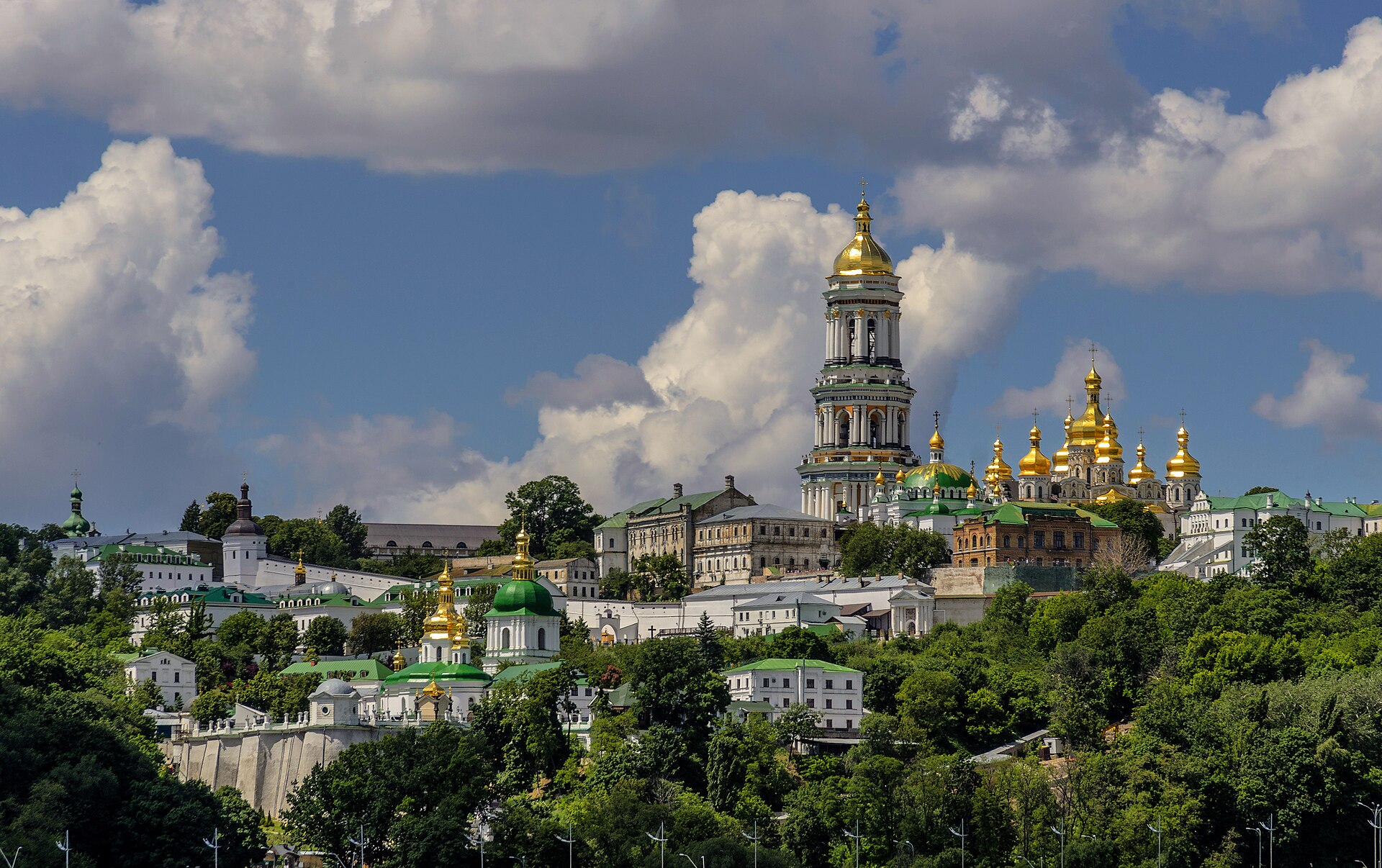
Kyiv Pechersk Lavra is one of those rare places where history isn’t just remembered—it lingers in the air, in the worn stone underfoot, in the quiet hum of prayers echoing through centuries-old corridors. Founded in the mid-11th century by monks Antony and Theodosius, it began as a modest cave monastery carved into the hills above the Dnipro River. Over time, it grew into something far greater: a spiritual heart of Kyivan Rus, a cradle of Orthodox Christianity, and a place where some of the earliest chronicles of Slavic history were written. The Lavra has endured sieges, fires, and wars, each time rising again, its walls holding not just the weight of time but the stories of those who shaped a nation.
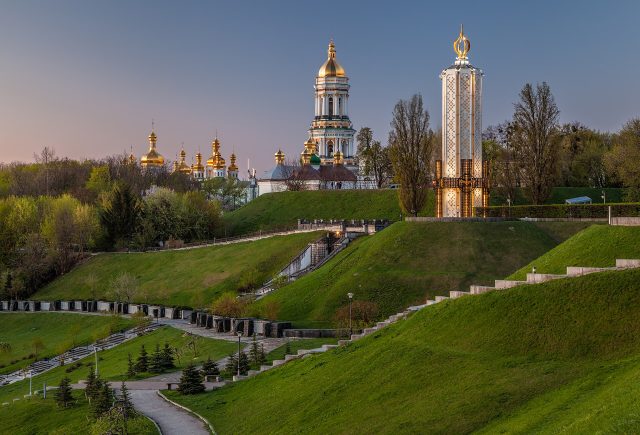
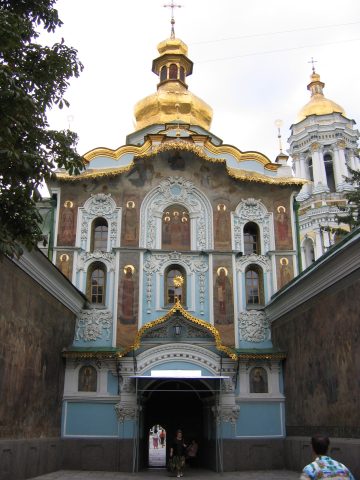
The architecture of the Lavra is a testament to its layered past, where each era left its mark without erasing what came before. The complex is a patchwork of styles—from the austere, almost hidden cave churches where monks once prayed in solitude, to the flamboyant Baroque of the Great Lavra Bell Tower, its golden domes piercing the Kyiv skyline. The Dormition Cathedral, destroyed during World War II and painstakingly rebuilt in the early 2000s, stands as the centerpiece. Inside, fragments of original frescoes and mosaics survive, their colors still vivid despite the centuries. Nearby, the Trinity Gate Church, adorned with murals by the legendary icon painter Alypius, offers a glimpse into the artistic traditions that flourished here.
Beneath the surface, the Lavra’s labyrinthine caves tell another story. These narrow, dimly lit passages wind through the earth, leading to tiny cells where monks once lived and prayed. Some of these cells later became resting places for saints, their relics preserved in glass coffins. Among them are the remains of Ilya Muromets, the legendary warrior-monk, and Nestor the Chronicler, whose writings laid the foundation for Slavic historiography. The air in the caves is cool and damp, the flickering lamplight casting long shadows on the rough walls. Visitors descend into this underground world not just to see, but to feel—a connection to the past that’s almost tangible.
Beyond its religious significance, the Lavra has long been a center of learning and culture. In the 17th century, it became home to one of the first printing presses in Eastern Europe, where books were produced in Church Slavonic and distributed across the region. The monastery’s libraries held priceless manuscripts, some of which survive to this day. Even during the Soviet era, when the Lavra was stripped of its religious functions, its museum collections remained a draw for scholars. Today, exhibits display everything from ancient icons and liturgical vestments to the simple tools monks used in their daily lives, offering a quiet but profound look at how faith and knowledge intertwined here.
Walking through the Lavra feels like stepping into another time. The cobblestone paths wind past churches and bell towers, shaded by linden trees that bloom fragrantly in summer. Fountains murmur in hidden courtyards, and the scent of incense drifts from open church doors. In winter, the complex takes on a different character—snow dusts the golden domes, and the cold sharpens the colors of the frescoes. But no matter the season, there’s always a sense of stillness, a place to pause amid the city’s rush.
The Lavra is far from a relic of the past; it’s a living, breathing place. Monks in black robes move purposefully between services, pilgrims light candles before icons, and tourists wander with cameras, trying to capture the grandeur of the architecture. There’s no pressure here, no forced reverence—just an unspoken understanding that this is a space for reflection, whether you’ve come for faith, history, or simply the beauty of the place. The sound of church bells ringing for service, the low chant of prayers, the scent of beeswax and myrrh—these details weave together into an atmosphere that’s hard to describe but impossible to forget.
What makes the Lavra truly remarkable is how it has endured while remaining itself. It has seen empires rise and fall, ideologies come and go, yet it stands as a constant—a place where the past isn’t just preserved but alive. For Ukrainians, it’s more than a landmark; it’s a symbol of resilience, a reminder of the cultural and spiritual roots that run deep. Visitors don’t need to be religious to feel its pull. The Lavra asks only for respect—for its history, its people, and the quiet moments it offers to those who take the time to listen. In a city that’s always changing, it remains a steady presence, a bridge between what was and what is.