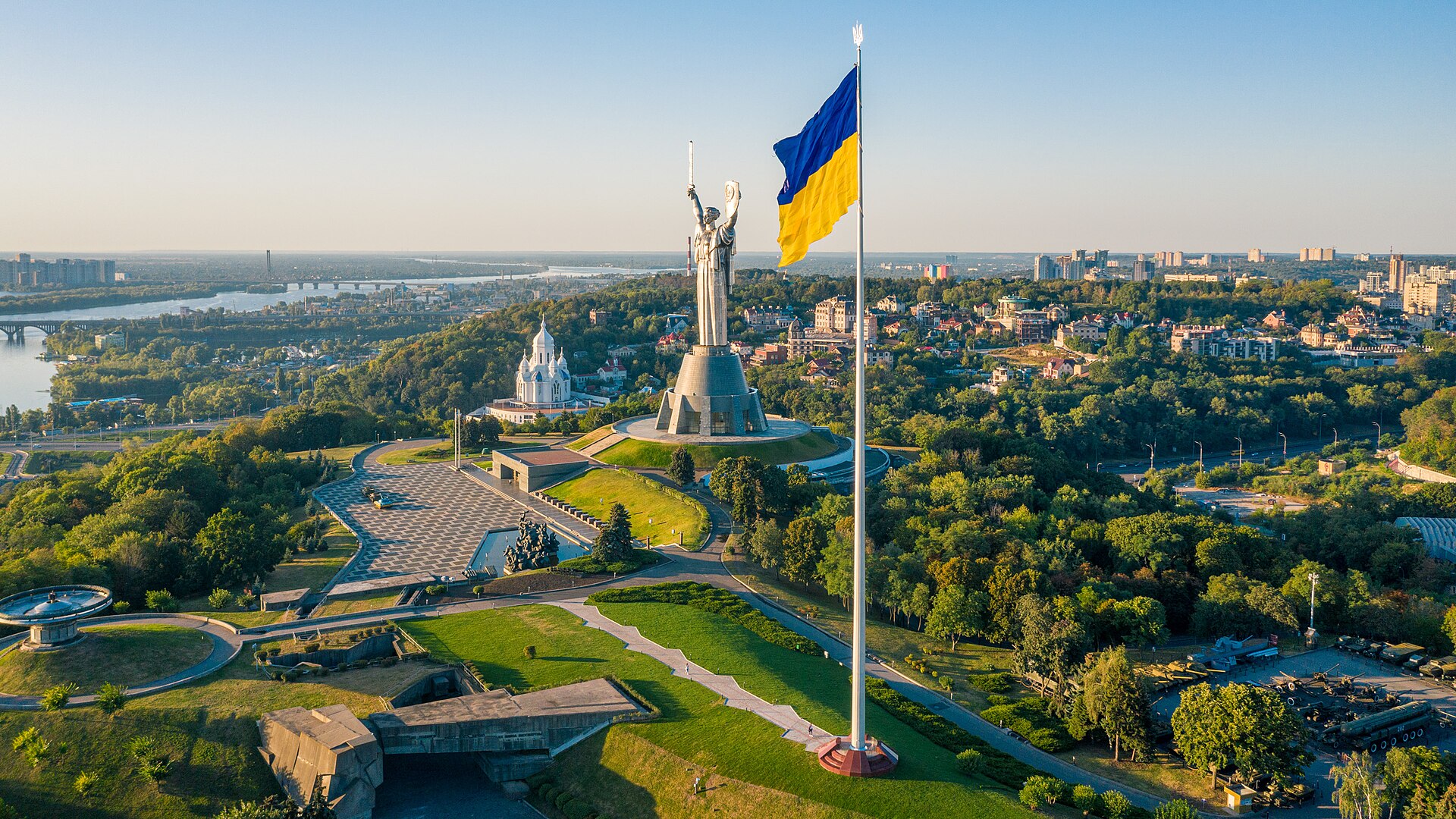
Perched on the high right bank of the Dnieper River, the Museum of the History of Ukraine in the Second World War holds more than artifacts. The Motherland Monument cuts the Kyiv skyline, a daily reminder: the war wasn’t distant here. It entered every home, every family, leaving scars that took decades to fade. The museum opened in the 1970s, when the war’s wounds still bled in memory. It wasn’t built only to store relics—it was meant to gather people around a history that still shaped their lives.
The complex stands out on its own. The main building, shaped like a bowl with a colonnade, seems to hold the weight of memory. Inside, the path leads from the uneasy pre-war years through the war itself to the slow recovery. But this isn’t a museum of dry facts. Personal belongings, frontline letters, photographs of ruined cities, weapons, and documents fill the halls. Trenches and bunkers are reconstructed. The past isn’t just seen—it’s felt.
The Hall of Memory lists hundreds of thousands of Ukrainian names on its walls. The silence here is thick. Even strangers often linger, scanning the rows for something familiar. The Eternal Flame burns nearby, day and night. Outside, the Park of Glory holds mass graves and memorial markers. Visitors leave flowers and light candles.
The Motherland Monument rises 120 meters. Made of stainless steel, it changes with the light—sometimes fading into clouds, sometimes sharp against the sky. Inside, a viewing platform shows Kyiv’s panorama, but only on guided tours. From above, the city looks peaceful. The hills and bridges haven’t changed. How many generations have looked at this same view, some in war, some in peace?
The museum’s main focus is the Second World War, but it doesn’t ignore the present. Temporary exhibitions cover other conflicts in Ukraine’s history. Events—lectures, veteran meetups, historian talks—happen often. Audio guides, interactive screens, and virtual battle reconstructions have been added. Not to entertain, but to show younger visitors: the war wasn’t just dates and battles. It reshaped lives in ways that still matter.
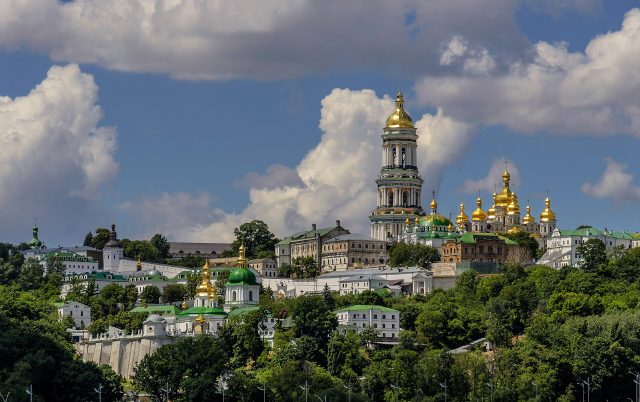
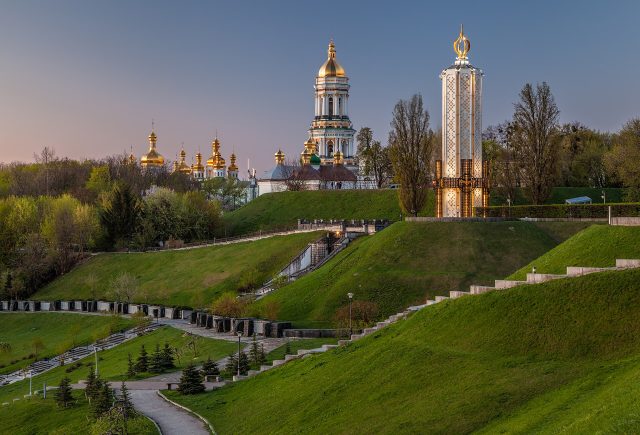
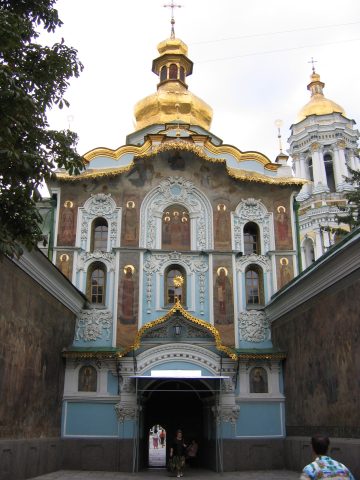
The Pechersk district is full of history. The Kyiv-Pechersk Lavra’s golden domes shine nearby. Government buildings and parks offer quiet after the exhibits. A short walk downhill reaches the Dnieper embankment. The river stretches wide. On clear days, the bridges stand out, connecting the city’s halves. The view eases the weight of what you’ve seen.
This isn’t just a museum. It’s where history becomes personal. The exhibits don’t just tell of battles—they show how war broke lives, forced impossible choices, left a lasting mark. The letters, photographs, and personal items aren’t just behind glass. They’re voices of those who lived through it. That’s why the museum still matters—not just for those who remember, but for anyone who wants to understand why war must never repeat. You don’t just learn here. You feel it. And that changes you.