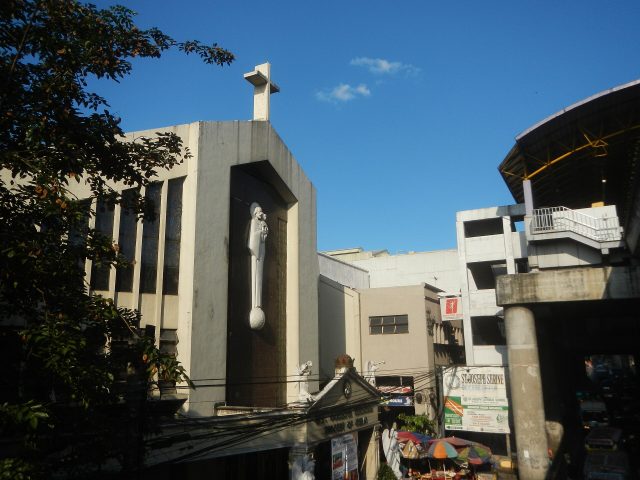
The National Museum of the Philippines in Quiapo isn’t just a building filled with artifacts—it’s a place where the country’s layered history comes alive through objects, documents, and art. Spread across several interconnected structures in the heart of Manila, each wing of the museum focuses on a distinct theme, from archaeology and ethnography to fine arts and natural history. Established in the early 20th century during the American colonial period, the museum has since become the primary custodian of the archipelago’s cultural heritage. A visit here can easily stretch into hours, with every gallery offering something unexpected, whether it’s pre-colonial relics or works by contemporary Filipino artists.
The museum’s main building, the Museum of Fine Arts, was once the seat of the Philippine legislature. Its architecture alone is worth lingering over—tall columns, soaring ceilings, and expansive halls flooded with natural light create a sense of grandeur without feeling overwhelming. Inside, the galleries showcase masterpieces by Filipino painters like Juan Luna and Fernando Amorsolo, whose works have become symbols of national identity. Luna’s *Spoliarium*, a massive 19th-century painting depicting a scene from ancient Rome, holds particular significance. For Filipinos of the time, its imagery resonated as an allegory for their own struggle against colonial rule, making it one of the most important works in the country’s artistic canon.
Adjacent to it, the Museum of Anthropology houses artifacts that tell the story of the Philippines before European contact. Here, pottery, weapons, jewelry, and everyday objects unearthed from across the islands offer glimpses into the lives of pre-colonial communities. The most striking exhibits are the gold artifacts—delicate ornaments, ritual objects, and even gold masks—testament to the advanced craftsmanship of ancient Filipino goldsmiths. Another highlight is the collection of life-sized replicas of traditional dwellings from different ethnic groups, illustrating the incredible diversity of cultures that thrived long before the islands were unified under a single nation.
The third major wing, the Museum of Natural History, celebrates the country’s extraordinary biodiversity. The Philippines is one of the world’s biodiversity hotspots, and the exhibits here bring that richness to life. Skeletons of prehistoric creatures, taxidermied specimens of rare birds and mammals, and displays of insects and marine life fill the halls. Special attention is given to endemic species—those found nowhere else in the world. The Philippine eagle, the country’s national bird, and the tamaraw, a dwarf buffalo native to Mindoro, are among the most iconic examples. The exhibits also underscore the fragility of these ecosystems and the urgent need for conservation.
Beyond its permanent collections, the museum regularly hosts temporary exhibitions that explore different facets of Filipino culture. These might include photography showcasing traditional crafts, installations by contemporary artists grappling with themes of memory and identity, or collaborations with indigenous communities. The museum actively engages with local groups, particularly indigenous peoples, whose knowledge and traditions often become part of the exhibits. This approach transforms the museum from a static repository of the past into a dynamic space where history intersects with the present.
A visit to the National Museum is as much about soaking in the atmosphere as it is about viewing the exhibits. The halls are often filled with school groups on field trips, students taking notes, and tourists poring over displays. During the summer, the museum hosts lectures and workshops, while weekends sometimes feature performances of traditional music. It has become a part of daily life in Manila—a place where people come not just to see artifacts, but to experience a quiet, reflective space that remains open and welcoming to all.
One of the museum’s most significant aspects is its accessibility. Admission is free, ensuring that anyone can explore its collections. This aligns with the museum’s mission not just to preserve heritage, but to share it widely. In recent years, it has expanded its educational programs, particularly for children and teenagers, aiming to foster an early appreciation for the country’s history and culture. In an age dominated by digital experiences, the National Museum offers something tangible—a chance to connect with the physical traces of the past.
Quiapo, the district where the museum is located, is a destination in its own right. This old quarter of Manila is a tangle of narrow streets, colonial-era buildings, and bustling markets. Nearby, the Quiapo Church stands as one of the city’s most famous landmarks, while the surrounding stalls sell everything from souvenirs to antiques. After a visit to the museum, a walk through the neighborhood offers a glimpse into the rhythm of life in the capital. Here, different eras and cultures collide, creating a sense of vibrancy that makes Quiapo feel distinct from the rest of the city.
The National Museum of the Philippines isn’t just a tourist attraction—it’s a place to understand what makes the country unique. There’s no grandiosity here, just the authentic evidence of its history, culture, and natural wonders. For those who want to see the Philippines as more than a travel destination, the museum provides a starting point for deeper exploration. It doesn’t offer easy answers but instead invites reflection on how this nation was shaped, what traditions sustain it, and what its future might hold.