- Home
- Philippines
- Quiapo

Quiapo
Philippines · 8 places
Photo: Ryomaandres, CC BY-SA 3.0
Quiapo is Manila’s last district where the past lingers without apology. While the rest of the city builds glass towers, this neighborhood keeps its crumbling facades, flickering neon, and the scent of sizzling street food thick in the damp air. There are no tourist brochures here—just the raw pulse of daily life, where every corner holds a story.
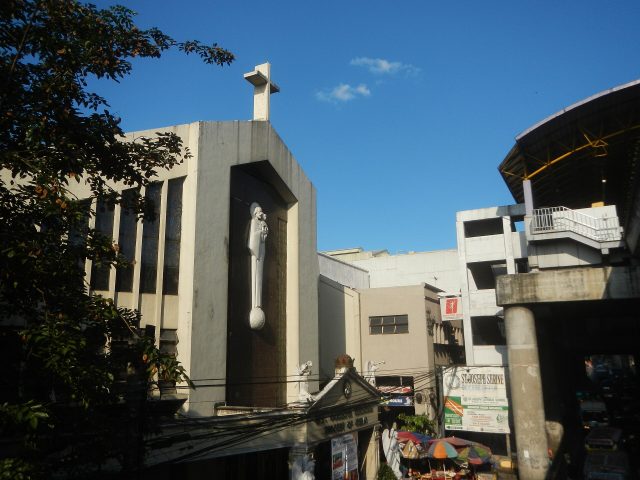
Minor Basilica of the Black Nazarene
The dark wooden statue of Christ, brought to the Philippines in the 17th century, stands at the center of this church. Devotees believe it possesses miraculous powers. Every January, the Feast of the Black Nazarene floods the streets with thousands carrying the statue on a massive carriage. Candles, flowers, and prayers turn the district into a temporary sanctuary of tradition.
You’ll see men and women in maroon shirts, their faces streaked with sweat and devotion, pulling the ropes that guide the carriage. The crowd surges forward, a living tide of faith.
The Marketplace
Quiapo’s bazaars are a sensory assault. Vendors sell exotic fruits, handmade crafts, knockoff designer goods, and vintage trinkets. The air smells of grilled skewers, fresh seafood, and pungent spices. Haggling is constant, a chorus of voices rising and falling.
Herbalists line their tables with dried roots, powders, and amulets. Some promise cures for ailments, others ward off bad luck. You could spend hours here, lost in the maze of stalls where life feels denser than anywhere else in the city.
Nightlife
When the sun sets, Quiapo doesn’t slow down—it just changes. Small bars and karaoke joints fill with locals unwinding after work. There are no velvet ropes, just cold beer and off-key singing. Live bands play folk tunes or modern hits, depending on the night.
Sometimes, musicians gather under flickering bulbs for an impromptu street performance. Strangers become friends over shared drinks, the energy as real as the day is long.
A District of Contrasts
Colonial-era buildings stand next to crumbling tenements. Graffiti-covered walls tell stories of struggle and resilience. There’s no tourist veneer here—just the unvarnished reality of Manila, where past and present collide.
Walking these streets, you can almost see the city as it was a century ago. It’s not always pretty, and it’s not always safe. But that’s the point. Quiapo doesn’t offer comfort—it offers a glimpse into the soul of the Philippines, unfiltered.
See & Do
All of them
Places on the map
Marker colour follows the categoryClimate and weather
Detailed weather: Quiapo- Average temperature
- 29 °C
- Precipitation per year
- 2062 mm
- Sunshine hours per day
- 0 h
Average air temperature
°C
27
27
29
30
31
30
29
29
29
29
29
28
Jan
Feb
Mar
Apr
May
Jun
Jul
Aug
Sep
Oct
Nov
Dec


