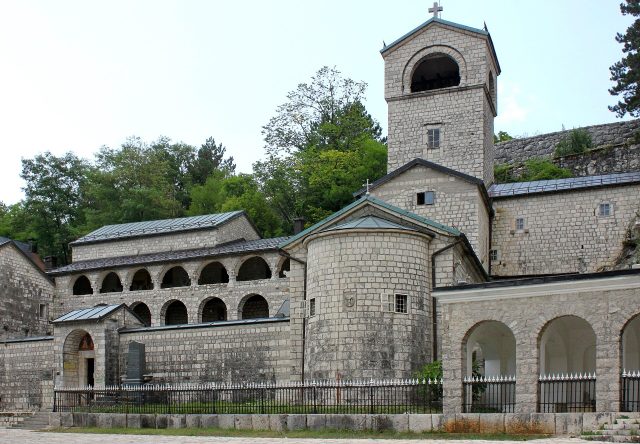
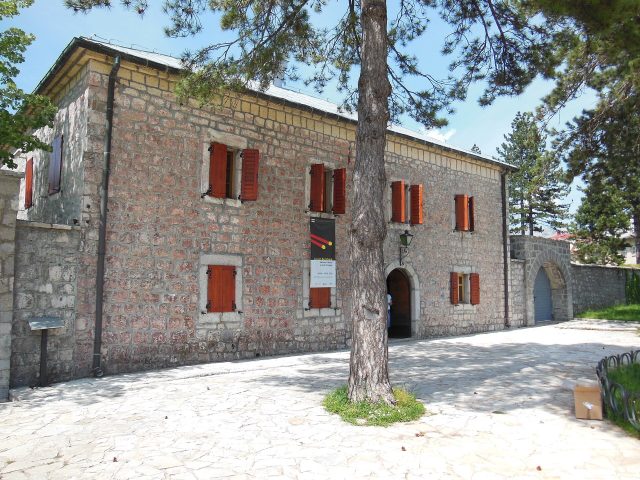
Cetinje’s National Museum of Montenegro is more than a collection of artifacts—it’s a place where the country’s layered history unfolds through objects, documents, and art. The town itself, once the capital of Montenegro, carries the weight of its past in its quiet streets and preserved buildings. Here, the struggle for independence and the resilience of a small nation are still palpable, and the museum serves as a gateway to understanding that legacy.
The most striking part of the museum is the former royal palace, built in the late 19th century for Prince Nikola Petrović-Njegoš. Designed in a blend of neoclassical and Renaissance styles, the building retains its grandeur, with high ceilings, ornate moldings, and a sense of faded opulence. Inside, the private quarters of Montenegro’s rulers are preserved, filled with their personal belongings—furniture, portraits, and everyday items that offer a glimpse into their lives. One of the most intriguing collections is the assortment of gifts from foreign dignitaries, ranging from ceremonial sabers to intricate jewelry, each piece telling a story of diplomacy and prestige.
Adjacent to the palace is the former government building, now home to the museum’s art gallery. The space showcases works by Montenegrin, Yugoslav, and European artists, spanning different eras and styles. The most compelling pieces are those depicting Montenegro itself—romantic 19th-century landscapes that idealize the rugged terrain, alongside more modern interpretations that capture the country’s evolving identity. The gallery doesn’t just trace the development of art in the region; it reflects how Montenegro has been seen and imagined over time.
The ethnographic section of the museum offers a deeper look into the daily lives of Montenegro’s people. Traditional costumes, handcrafted textiles, tools, and household items fill the rooms, each object carrying its own significance. The intricate embroidery, once painstakingly stitched by hand, reveals patterns and colors tied to specific regions or occasions. Reconstructed interiors of old homes—some from mountain villages, others from coastal towns—help visitors visualize how people lived, worked, and adapted to their surroundings. It’s a reminder of how closely culture and environment were intertwined.
For those interested in antiquity, the museum’s archaeological collection provides a window into Montenegro’s distant past. Fragments of ancient mosaics, coins, pottery, and weapons trace the region’s history from early settlements to the rise and fall of empires. Among the most notable artifacts are those linked to the Illyrians, one of the earliest peoples of the Balkans. These relics, though often modest in appearance, connect the present to a time when trade routes crisscrossed the Adriatic and the first states took shape on these lands.
The museum also dedicates significant space to Montenegro’s fight for independence, a theme that runs through much of its history. Documents, photographs, weapons, and personal effects from wars and uprisings fill the exhibits, illustrating the sacrifices made to preserve sovereignty. The materials on World War II are particularly moving, showing how ordinary citizens resisted occupation and what it cost them. These displays don’t just recount battles—they humanize the struggle, making it feel immediate and real.
Beyond its permanent collections, the museum hosts temporary exhibitions that explore different facets of Montenegrin culture and history. These might focus on contemporary artists, commemorate historical anniversaries, or delve into niche topics like traditional crafts or regional folklore. Such events keep the museum dynamic, ensuring that each visit offers something new. It’s a place where the past isn’t static but continues to engage with the present.
Walking through the National Museum of Montenegro is like stepping into a living narrative. The exhibits unfold in a way that feels organic, each room building on the last, whether you’re drawn to art, archaeology, or the stories of those who shaped the nation. Cetinje itself, with its low-slung buildings and unhurried pace, enhances the experience. The town’s history is inseparable from the museum’s, and together they create a space where visitors can linger, reflect, and piece together the many layers of Montenegro’s identity. It’s not just about preserving the past—it’s about understanding how it still shapes the country today.