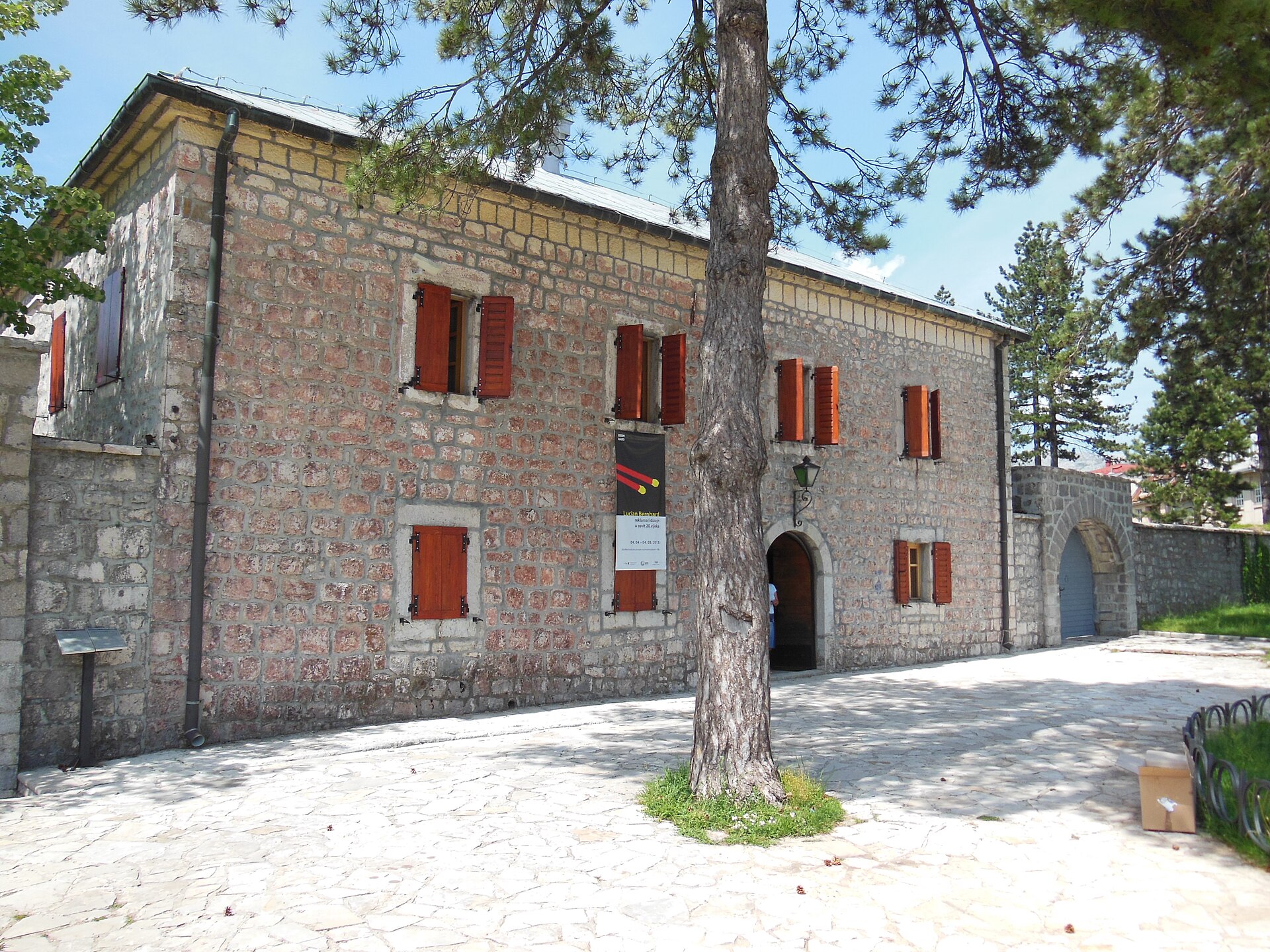
Cetinje’s Biljarda, or the Palace of King Nikola, stands as one of Montenegro’s most intriguing historical landmarks, a building that carries the weight of a nation’s past within its walls. Constructed in the mid-19th century, it was originally intended as a residence for Prince Danilo I, though it would later become synonymous with his successor, King Nikola I Petrović-Njegoš. The name "Biljarda" comes from the billiards table gifted to the prince by the Russian Emperor Alexander II, a piece of furniture so grand that it lent its name to the entire palace. This detail alone hints at the building’s dual role—not just as a seat of power, but as a place where diplomacy, leisure, and statecraft intertwined.
The architecture of Biljarda reflects the ambitions of a young state carving out its identity in a turbulent region. Built in a neoclassical style, the palace’s façade is understated yet dignified, with a symmetry that speaks to European influences while retaining a distinctly Montenegrin character. The two-story structure is modest in size compared to the grand palaces of other European capitals, but its significance lies in what it represents: the consolidation of Montenegro’s sovereignty during a time when the country was still defining its borders and alliances. The building’s design was practical, suited to the needs of a ruler who governed a nation often at odds with its neighbors.
Inside, the palace offers a glimpse into the personal and political life of King Nikola, who ruled Montenegro for nearly six decades. The rooms are preserved much as they were during his reign, with period furniture, portraits, and personal effects that paint a vivid picture of 19th-century Montenegrin aristocracy. The billiards room, naturally, remains a focal point, its table still in place, a silent witness to the conversations and decisions that shaped the country’s future. Other spaces, like the reception hall and private chambers, reveal the blend of formality and intimacy that characterized royal life here. The palace was not just a home but a stage for state affairs, where foreign dignitaries were received and treaties were negotiated.
Beyond its architectural and historical value, Biljarda holds a symbolic place in Montenegrin memory. For much of the 19th and early 20th centuries, Cetinje was the heart of Montenegro, and this palace was its pulse. King Nikola, often called the "Father of the Nation," used Biljarda as a base from which to modernize the country, introducing reforms in education, law, and infrastructure. His reign saw Montenegro gain international recognition, including at the Congress of Berlin in 1878, where the great powers of Europe acknowledged its independence. The palace, therefore, is not just a relic of the past but a monument to a pivotal era when Montenegro emerged as a sovereign state.
Today, Biljarda functions as a museum, offering visitors a chance to step into this chapter of Montenegrin history. The exhibits go beyond the royal family’s story, delving into the broader context of the time—Montenegro’s struggles, its cultural renaissance, and its complex relationships with neighboring powers. The palace’s collection includes documents, weapons, and artifacts that trace the country’s evolution from a medieval principality to a modern nation. One of the most striking displays is the series of maps showing Montenegro’s shifting borders, a visual reminder of how precarious sovereignty once was.
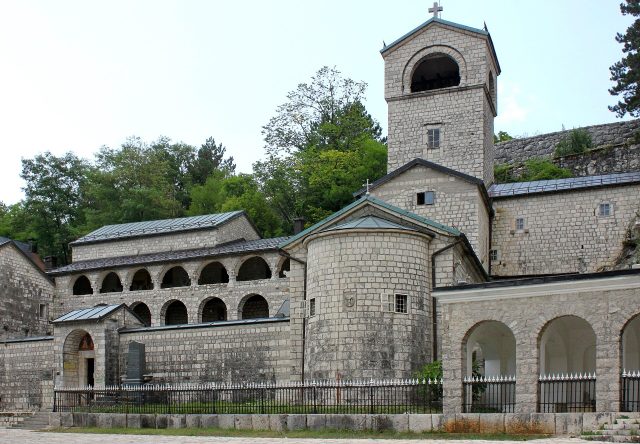
The atmosphere of Biljarda is one of quiet dignity, a place where history feels tangible rather than distant. Unlike larger, more opulent palaces, there’s a sense of intimacy here, as if the walls still hold the echoes of past conversations. The building’s location in Cetinje, a town that has retained much of its old-world charm, adds to this feeling. Surrounded by other historical landmarks, such as the Cetinje Monastery and the former embassies of foreign powers, Biljarda exists as part of a living museum, where the past is not just preserved but actively present.
For those visiting Montenegro, Biljarda offers more than just a historical detour—it provides context. The country’s identity is deeply tied to its resilience, its ability to navigate the pressures of larger empires while maintaining its distinct culture. This palace, with its unassuming grandeur, embodies that spirit. It’s a place where the personal and the political intersect, where the story of a king becomes the story of a nation. Whether you’re drawn by the architecture, the history, or simply the chance to walk through rooms where pivotal decisions were made, Biljarda invites reflection on what it means to build and sustain a country.
In many ways, the palace is a microcosm of Montenegro itself: small in scale but rich in significance, shaped by external influences yet unmistakably its own. It’s a reminder that history isn’t just about grand battles or sweeping changes—it’s also about the quiet moments, the everyday decisions, and the people who shaped a nation from within these walls. For anyone seeking to understand Montenegro beyond its coastal beauty, Biljarda is an essential stop, a place where the past feels alive and the story of a nation unfolds in subtle, unexpected ways.