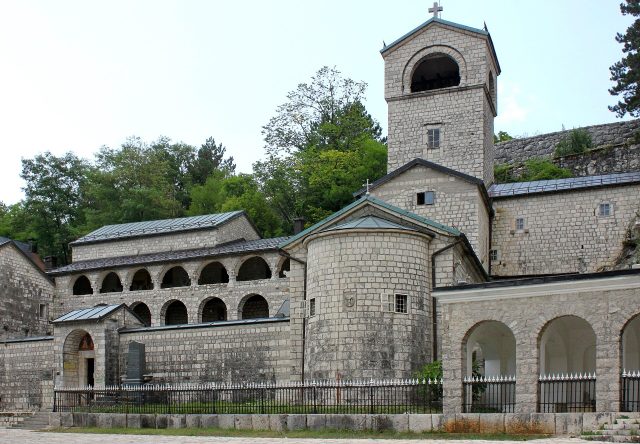
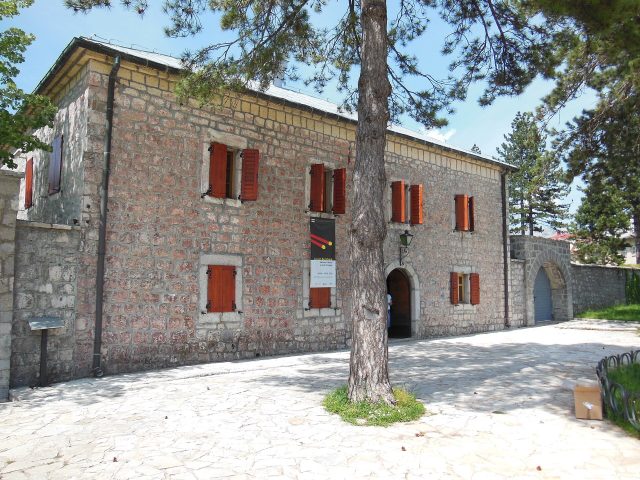
The Ethnographic Museum in Cetinje offers a quiet but profound glimpse into Montenegro’s past, not through grand battles or royal decrees, but through the ordinary objects that shaped daily life. Housed in the former palace of King Nikola, the building itself is a piece of history. Constructed in the late 19th century when Cetinje was still the capital, it blends Renaissance elegance with local craftsmanship—high ceilings, sturdy wooden doors, and intricate stucco work hint at the political weight it once carried. Today, the palace’s walls hold something more intimate: the stories of the people who lived, worked, and endured in this mountainous land.
The museum’s collection spans the 18th to early 20th centuries, focusing on the tools, textiles, and traditions that sustained Montenegrin communities. There are no gilded thrones or jewel-encrusted relics here. Instead, the exhibits feature the practical and the personal: wooden spinning wheels, hand-forged knives, clay pots, and embroidered shirts. Each item carries its own narrative. The traditional costumes, for instance, reveal more than just regional styles—they reflect social status, family heritage, and even the wearer’s role in the community. Some garments bear embroidery passed down through generations, while others include belts once worn by warriors, their leather darkened by time and use.
Agriculture and animal husbandry were the backbone of Montenegrin life for centuries, and the museum dedicates space to the tools that made survival possible. Visitors can see wooden plows, scythes, grain mills, and models of old water-powered flour mills. These objects speak to the harsh realities of life in a country defined by rugged terrain and unpredictable weather. Nearby, the implements of local craftsmen—blacksmiths, potters, and tanners—show how raw materials were transformed into everyday necessities. Barrels for aging wine or cheese, still used in some villages today, stand as testament to skills refined over generations.
One room is devoted to Montenegro’s folk arts, where delicate embroidery, lacework, and woodcarving take center stage. The most striking pieces are the women’s headdresses, some adorned with coins or coral beads, symbols of a family’s prosperity. Musical instruments, too, have their place here—gusle, flutes, and tamburicas that once filled village squares during festivals and weddings. Though simple in design, these instruments were the heartbeat of Montenegrin culture, carrying melodies that bound communities together.
The museum doesn’t just display artifacts; it recreates the spaces where they were used. Some rooms mimic the interiors of traditional homes, from humble cottages to more prosperous households. In one, a low wooden table sits surrounded by stools, a bread oven in the corner, and shelves lined with clay dishes. Another features a rough-hewn bed covered with a woolen blanket and a chest where a bride’s dowry might have been stored. These details paint a vivid picture of rural life, where days were measured by the rhythm of the seasons and the demands of the land.
Cetinje itself adds to the museum’s atmosphere. Once the capital of Montenegro, the town retains a sense of its former significance. Narrow streets wind past stone houses, monasteries, and palaces, each corner whispering of a time when this was the country’s political and cultural heart. The Ethnographic Museum fits seamlessly into this setting, not as a grand attraction but as a natural extension of the town’s history. It doesn’t compete with the dramatic landscapes or medieval fortresses that draw visitors to Montenegro; instead, it offers something quieter but equally compelling.
A visit here feels less like a tour and more like stepping into someone’s memory. The halls are quiet, the lighting soft, and the absence of crowds allows for a slower, more thoughtful experience. There’s no rush, no need to pose for photos or follow a rigid itinerary. The museum invites you to linger, to imagine the hands that shaped these objects and the lives they touched. It’s a place for those who want to understand Montenegro beyond its postcard-perfect scenery—through the unglamorous but essential realities of its people.
The museum isn’t frozen in time, either. Temporary exhibitions occasionally highlight specific aspects of Montenegrin culture, from traditional festivals to regional crafts. Workshops on weaving or pottery sometimes allow visitors to try their hand at these skills, bridging the gap between past and present. These events keep the museum alive, ensuring it remains more than just a repository of relics.
What makes the Ethnographic Museum in Cetinje special is its lack of pretension. There are no flashy displays or interactive gimmicks, just the raw, unfiltered essence of Montenegrin life. The objects on view were never meant to be admired in a museum; they were tools, garments, and household items, each with a purpose. For those who see history not as a series of dates but as a tapestry of human experiences, this is one of Montenegro’s most authentic destinations. It doesn’t dazzle at first glance, but it lingers in the mind long after you’ve left.