Sarych Cape is one of those places where the Crimean coastline reveals its raw, untamed beauty. Jutting into the Black Sea just south of Koreiz, this narrow strip of land feels like the edge of the world—a quiet, windswept promontory where the sea meets the sky in an endless horizon. Unlike the crowded beaches of Yalta or the polished resorts of nearby Livadia, Sarych remains largely untouched, its appeal lying in its simplicity and the sense of solitude it offers.
The cape is best known for its lighthouse, a sturdy white tower that has stood here since the late 19th century. Built in 1898 under the orders of Tsar Nicholas II, it was designed to guide ships safely along this treacherous stretch of coast, where rocky outcrops and sudden storms have claimed more than a few vessels over the centuries. The lighthouse itself is modest—just over 12 meters tall—but its presence is commanding, perched on the highest point of the cape with a sweeping view of the sea. It’s still operational today, though access to the tower is restricted, leaving visitors to admire it from the outside.
The history of Sarych is closely tied to the Russian imperial era. In the early 20th century, the surrounding area was part of the vast estates owned by the Romanov family and their aristocratic circle. Nicholas II himself visited the cape during his stays at the nearby Livadia Palace, and it’s said that the emperor enjoyed walking along the cliffs here, drawn by the dramatic scenery. The remnants of old paths and stone walls hint at the cape’s past as a private retreat, though today, the only signs of human presence are the occasional hikers and the lighthouse keeper’s house, now abandoned.
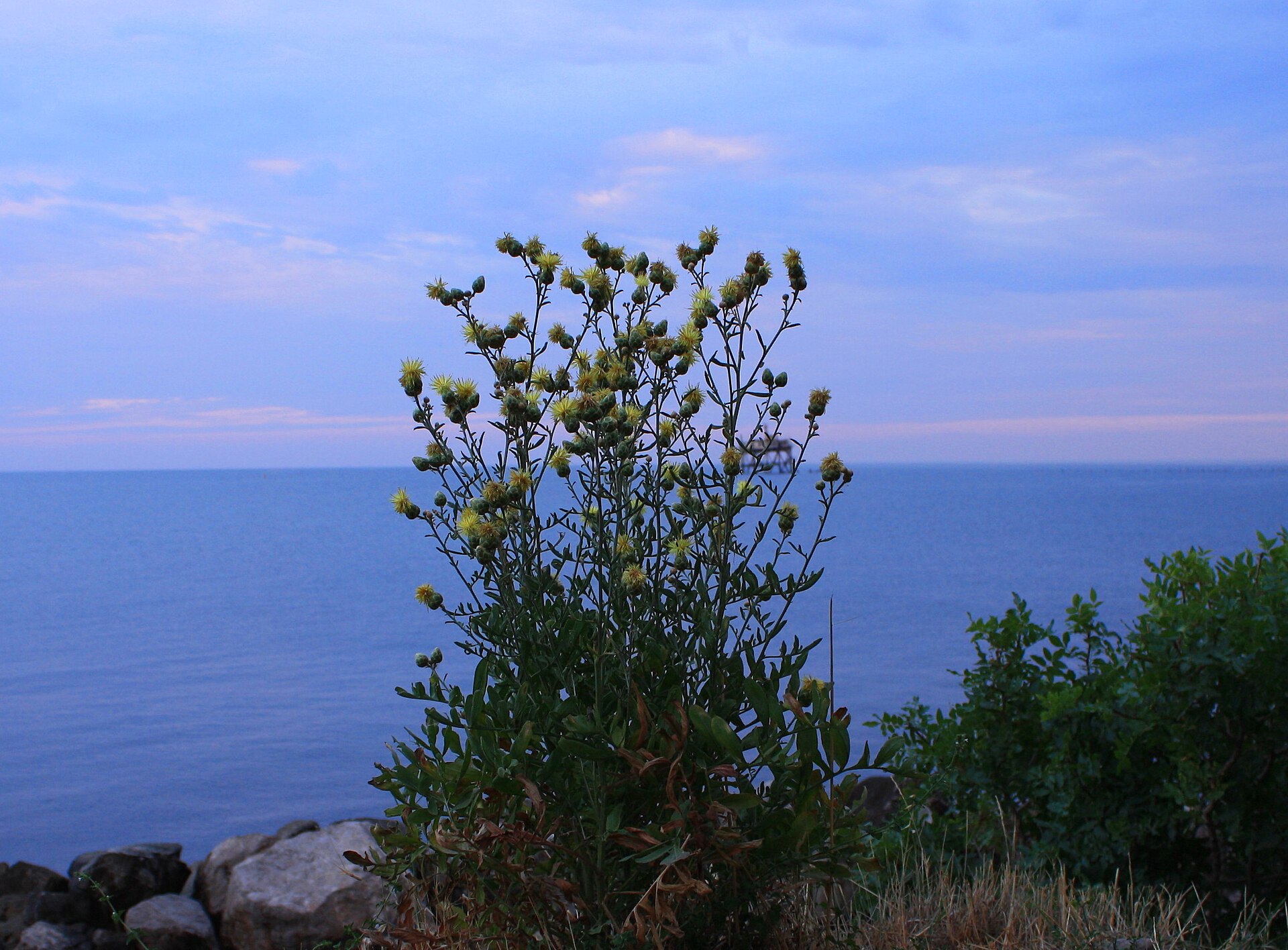
The landscape around Sarych is rugged and wild, a mix of steep cliffs, sparse vegetation, and jagged rocks that plunge into the sea. The cape is part of a protected natural area, which means the flora and fauna here have remained relatively undisturbed. In spring and early summer, the slopes are dotted with wildflowers—poppies, thyme, and sea lavender—while the air is filled with the scent of pine and salt. The sea, a deep shade of blue, crashes against the rocks below, creating a constant, rhythmic soundtrack. It’s a place where you can easily lose track of time, watching the waves roll in or scanning the horizon for dolphins, which are sometimes spotted in these waters.
Getting to Sarych isn’t straightforward, and that’s part of its charm. There’s no direct road leading to the cape, so visitors must hike from Koreiz or take a boat along the coast. The most common route is a winding trail that begins near the village and follows the shoreline, offering glimpses of hidden coves and secluded beaches along the way. The walk takes about an hour, depending on your pace, and the path can be rocky and uneven in places. For those who prefer the water, local fishermen sometimes offer boat trips from Yalta or Foros, dropping passengers near the cape for a few hours of exploration.
The best time to visit Sarych is during the shoulder seasons—late spring or early autumn—when the summer crowds have thinned and the weather is still mild. In July and August, the cape can feel too exposed to the sun, with little shade and temperatures often climbing above 30°C. Even in cooler months, the wind here is relentless, a reminder of the cape’s exposed position. But that same wind carries the scent of the sea and the sound of the waves, making it easy to understand why this place has captivated visitors for over a century.
Despite its proximity to some of Crimea’s most famous landmarks, Sarych remains a quiet, almost forgotten corner of the peninsula. There are no souvenir stalls, no guided tours, and no grand monuments—just the lighthouse, the cliffs, and the sea. It’s the kind of place where you come not for entertainment, but for the chance to step outside of time, to stand on the edge of the land and feel the vastness of the world around you. For those willing to make the effort to reach it, Sarych offers a rare kind of solitude, one that feels increasingly hard to find in a world that’s always connected.