Koreiz Park is one of those places where history feels almost tangible, as if the past hasn’t quite faded into the background. Nestled along the southern coast of Crimea, near the small town of Koreiz, this park stretches across gentle slopes that descend toward the Black Sea. It was laid out in the late 19th century, when the Russian aristocracy sought refuge from the northern winters in the mild Mediterranean-like climate of the peninsula. The park was part of a larger estate owned by the Yusupov family, one of the wealthiest and most influential noble dynasties of imperial Russia. Their presence here wasn’t just about leisure—it was a statement, a way to blend European landscape traditions with the wild beauty of Crimea.
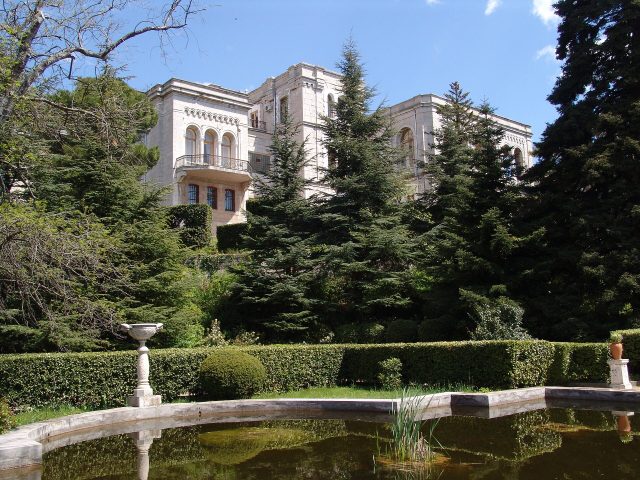
The design of Koreiz Park reflects the romantic ideals of the time, where nature was meant to be tamed yet celebrated. Unlike the rigid symmetry of French formal gardens, this park follows the English landscape style, with winding paths, open meadows, and carefully placed clusters of trees. The Yusupovs invited renowned gardeners to shape the terrain, introducing exotic plants that thrived in the local climate. Some of these species, like the towering cedars and sprawling magnolias, still stand today, their age evident in the thickness of their trunks and the spread of their branches. Walking through the park, you might stumble upon a hidden grove or a sudden clearing with a view of the sea, each turn offering a new perspective.
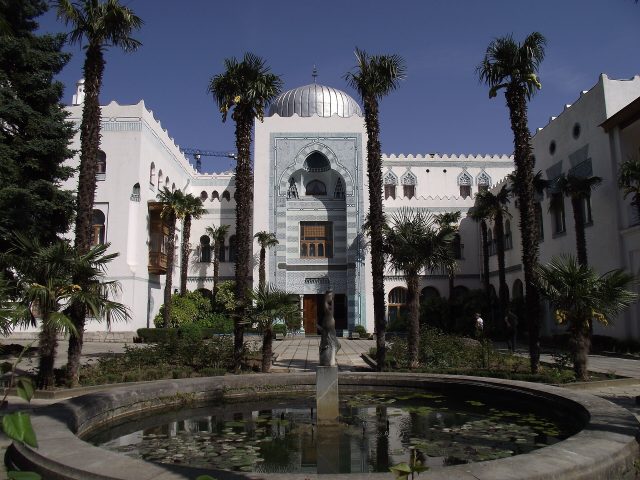
At the heart of the park lies the Yusupov Palace, though calling it a palace might be a bit misleading. It’s more of a grand villa, built not for ostentatious display but for comfort and intimacy. The architecture is a mix of styles—Italian Renaissance revival with Moorish touches, a combination that was fashionable among the Russian elite of the era. The building’s pale yellow facade, arched windows, and decorative balconies give it a light, almost playful appearance, as if it were designed more for summer evenings than for grand balls. Inside, the rooms were once filled with art, antiques, and the kind of furnishings that spoke of refined tastes. Today, the palace is a museum, though its interiors have been altered over the decades, first by the Soviet era and later by time itself.
The park’s layout was never just about aesthetics. It was also a place of retreat, where the Yusupovs and their guests could escape the formalities of St. Petersburg or Moscow. The family hosted writers, artists, and politicians here, turning Koreiz into a quiet hub of cultural and social life. The park’s terraces, shaded by cypress and pine trees, were perfect for afternoon teas or quiet conversations. There’s a sense of seclusion in the way the paths meander, leading visitors away from the main villa toward smaller pavilions and fountains. One of these, a modest but elegant rotunda, sits near the edge of the park, offering a panoramic view of the coastline. It’s easy to imagine someone standing there a century ago, watching the sunset over the water.
What makes Koreiz Park different from other historic estates in Crimea is its understated elegance. Unlike the more famous Livadia Palace or the opulent Vorontsov Palace, Koreiz doesn’t overwhelm with grandeur. Instead, it feels personal, almost lived-in. The Yusupovs weren’t just building a showpiece; they were creating a home. This is evident in the way the park blends into the surrounding landscape. The estate’s boundaries are porous, with the gardens spilling into the nearby hills and the sea always visible in the distance. There are no high walls or imposing gates—just a gradual transition from the manicured lawns to the wild scrubland that covers much of the Crimean coast.
Over the years, the park has seen its share of upheavals. After the Russian Revolution, the Yusupovs fled, and the estate was nationalized. During the Soviet era, it was repurposed as a sanatorium, a place for workers to rest and recover. The palace’s interiors were altered to suit this new function, and some of the original furnishings were lost or dispersed. The park itself, however, remained largely intact. The trees continued to grow, the paths stayed in place, and the views of the sea endured. Today, Koreiz Park is a mix of these different eras—a place where the layers of history are still visible if you know where to look.
Visiting Koreiz today is a quiet experience. There are no crowds, no tour groups rushing from one attraction to the next. The park invites you to wander, to take your time. In the spring, the air is filled with the scent of blooming jasmine and wisteria. In the summer, the shade of the old trees offers respite from the Crimean heat. Autumn turns the leaves of the maples and oaks into shades of gold and red, while winter brings a rare stillness, with the bare branches framing the sea in stark, beautiful lines. The park is open year-round, though it’s at its most vibrant in the warmer months.
One of the most striking things about Koreiz is how it balances history with the present. The Yusupov Palace now houses exhibits on the family’s life and the estate’s past, but the park itself feels timeless. Locals come here to walk their dogs, to picnic under the trees, or simply to sit by the fountains. There’s a sense of continuity, as if the park has always been a part of the community, even as its ownership and purpose have changed. It’s not a frozen relic of the past but a living space, where the echoes of history coexist with the rhythms of everyday life.
If you’re visiting Crimea, Koreiz Park is worth seeking out, not just for its beauty but for its atmosphere. It’s a place that rewards those who take the time to explore it slowly. You might start at the palace, learning about the Yusupovs and their world, but the real magic happens when you step outside. Follow the paths down to the sea, or climb the gentle hills to find a quiet bench with a view. Listen to the rustle of the leaves, the distant sound of waves, and the occasional call of a bird. In a region often defined by its dramatic landscapes and historic landmarks, Koreiz offers something quieter—a chance to step into a moment where time seems to move just a little slower.