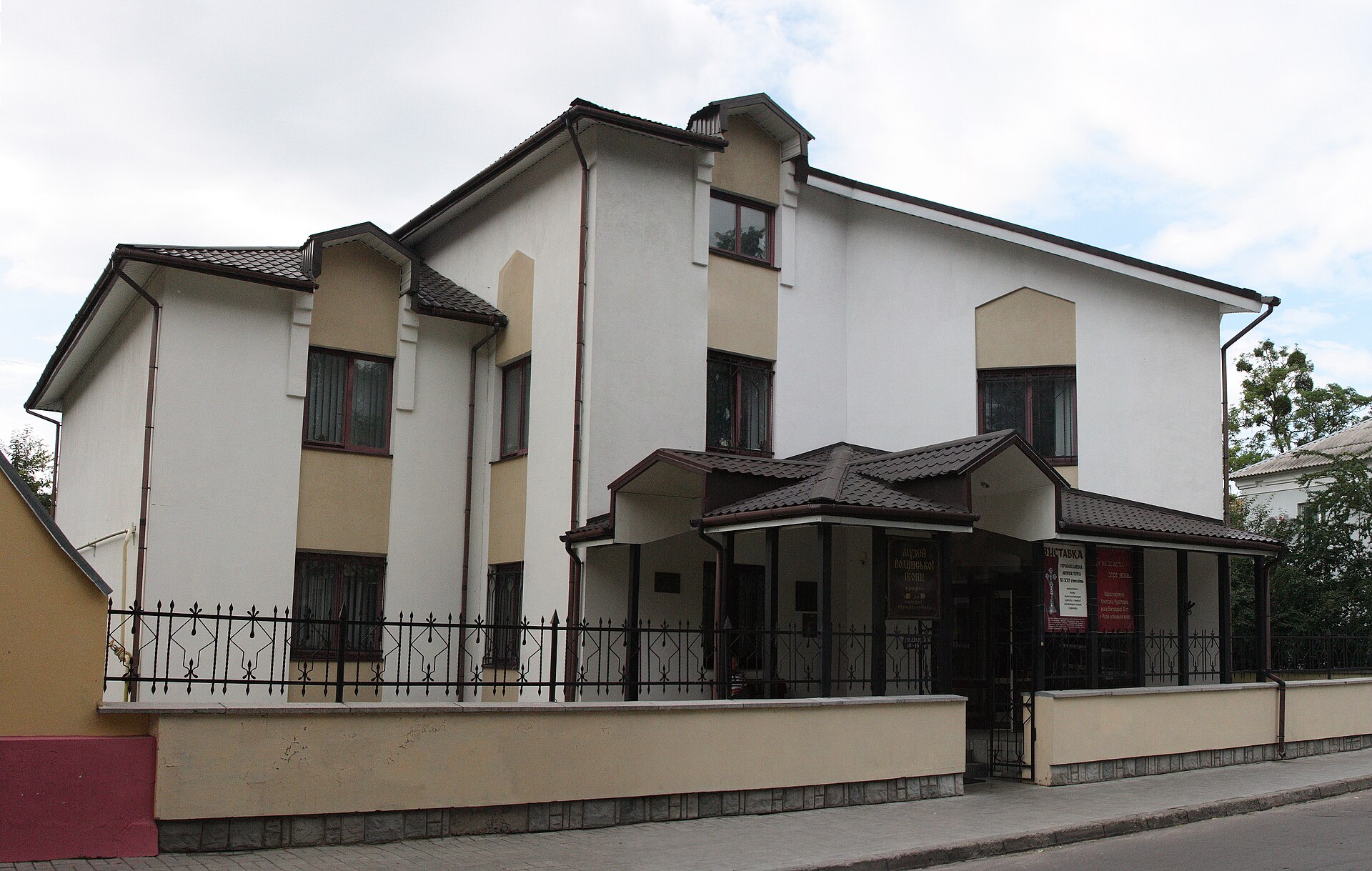
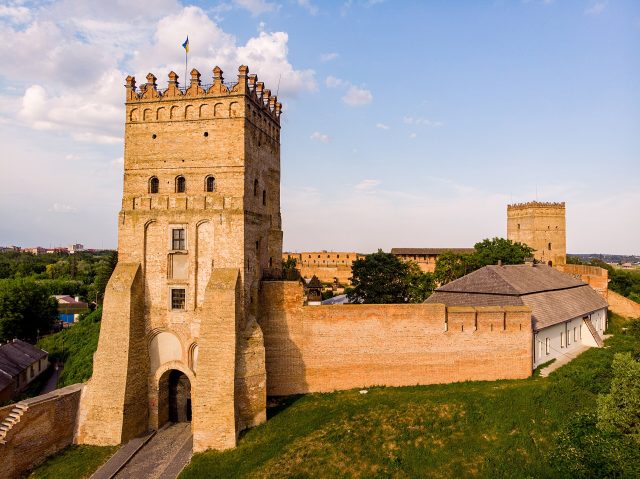
Lutsk’s Museum of Volyn Icons is one of those quiet places that doesn’t announce itself with grand facades or tourist crowds, yet holds something deeply resonant for those who take the time to visit. Housed in a former Bernardine monastery, the building itself is a piece of history, its thick stone walls and arched corridors whispering of centuries past. The monastery dates back to the 17th century, a time when Lutsk was a thriving center of trade and religious life in the Polish-Lithuanian Commonwealth. Walking through its halls, you can almost feel the layers of time—monks once prayed here, then the space served as a military barracks, and now it cradles some of the most striking examples of religious art from the Volyn region.
The museum’s collection is small but carefully curated, focusing on icons that span from the 15th to the early 20th centuries. These aren’t the gilded, jewel-encrusted masterpieces you might find in Kyiv or Lviv; instead, they carry a raw, almost intimate quality, reflecting the rural traditions and folk influences of Volyn. Many were painted by anonymous artists, their names lost to time, yet their work endures in the delicate brushstrokes and the way light seems to emanate from the faces of saints. Some icons bear the marks of their age—cracks, faded pigments, traces of candle smoke—each imperfection telling a story of devotion and use in village churches or private homes.
What makes these icons particularly compelling is their connection to the land. Volyn, a region in northwestern Ukraine, has long been a crossroads of cultures—Orthodox, Catholic, and later, the influences of the Polish and Lithuanian nobility. This blending is visible in the art: some icons follow the strict canons of Byzantine tradition, while others incorporate Western European elements, like softer facial features or more dynamic compositions. There’s a sense of adaptation here, of faith shaped by the hands of local craftsmen who interpreted sacred themes through their own experiences. One of the most striking pieces is a 16th-century icon of the Virgin Mary, her gaze both tender and sorrowful, as if she already knows the trials her people will face.
The museum doesn’t just display the icons; it places them in context. Exhibits explain the symbolism behind the colors, the significance of certain saints in Volyn’s history, and the techniques used by icon painters. For instance, the deep reds and blues weren’t just chosen for their beauty—they were made from locally sourced minerals, and their vibrancy was a testament to the artist’s skill. There’s also a section dedicated to the restoration process, showing how these fragile works are preserved for future generations. It’s a reminder that icons weren’t just objects of worship; they were part of daily life, carried in processions, touched by the faithful, and passed down through families.
Beyond the icons, the museum offers a glimpse into the broader religious history of Volyn. The region was once dotted with wooden churches, many of which were destroyed during the 20th century’s upheavals. A few surviving examples are represented here through photographs and models, their simple, sloping roofs and intricate carvings a stark contrast to the stone grandeur of the monastery. There’s also a small collection of liturgical items—crosses, chalices, and vestments—that hint at the rituals once performed in these spaces. One particularly moving piece is a 19th-century processional cross, its surface worn smooth by the hands of generations of worshippers.
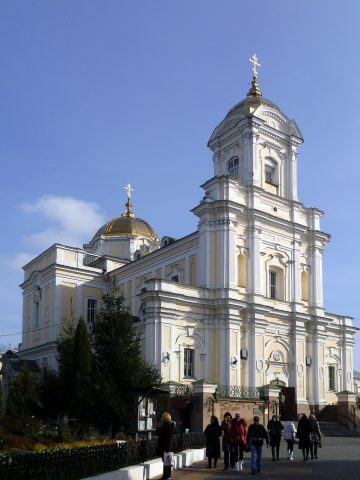
The monastery’s courtyard is worth lingering in, especially on a quiet afternoon. The cobblestones are uneven, the walls slightly crumbling, and the air carries the scent of old stone and damp earth. It’s easy to imagine the monks moving silently through these spaces, or the townspeople gathering for feast days. The courtyard also offers a view of Lutsk’s skyline, where the spires of St. Peter and Paul Cathedral rise above the rooftops—a reminder of the city’s enduring spiritual legacy.
Visiting the Museum of Volyn Icons isn’t just about seeing art; it’s about stepping into a world where faith and history are intertwined. The icons here aren’t relics of a distant past but living witnesses to the resilience of a region that has seen war, occupation, and change. They speak of a time when art was inseparable from belief, when every brushstroke was an act of devotion. For those who take the time to look closely, they offer a quiet, profound connection to the people who created them and the land they called home.