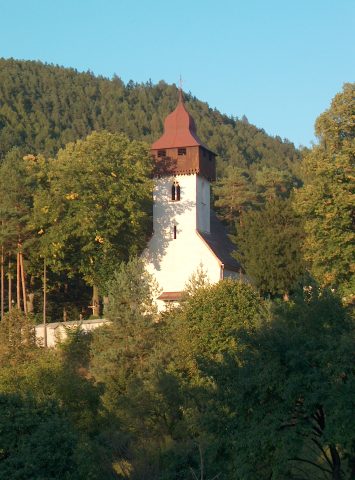
Nestled in the heart of Slovakia’s Malokarpatská wine region, the Museum of Viticulture and Winemaking in Rača offers more than just a glimpse into the country’s winemaking traditions—it invites visitors into a living story. The museum occupies an 18th-century wine cellar, its thick stone walls and arched ceilings a testament to the generations of winemakers who once stored their barrels here. The building itself feels like a bridge between past and present, where the cool, dimly lit corridors still carry the faint scent of oak and aged wine.
The Malokarpatská region has been shaping Slovakia’s winemaking identity for centuries. The first records of vineyards here date back to the Middle Ages, when monks and local farmers began cultivating grapes on the sun-drenched slopes of the Little Carpathians. Over time, winemaking became woven into the fabric of life in Rača and the surrounding villages, evolving from a practical craft into an art form. The museum captures this evolution, tracing the journey from medieval vineyards to the modern techniques used by today’s producers. It’s not just about how wine is made, but how it has shaped the culture, economy, and even the landscape of this corner of Slovakia.
The exhibits guide visitors through every stage of winemaking, from the vine to the glass. Old wooden presses, some worn smooth by decades of use, stand alongside hand-forged tools that once tended the vineyards. Barrels of varying sizes and shapes line the walls, each telling a story of how wine was aged and stored before bottling became commonplace. One of the most striking displays focuses on traditional methods still practiced in small family-run vineyards—hand-harvesting grapes, pressing them underfoot in wooden vats, and fermenting the juice in clay or oak. These techniques might seem labor-intensive by modern standards, but they’re a reminder of how deeply winemaking was once tied to manual skill and patience.
A particularly engaging section of the museum is its collection of wine labels and bottles, which offers a visual history of how winemaking has changed over the decades. The earliest labels are simple, almost rustic, with handwritten scripts and basic illustrations that reflect the modest origins of many local producers. Later designs become more polished, incorporating bold typography and artistic motifs that mirror broader trends in graphic design. The collection isn’t just about aesthetics—it reveals how winemakers adapted to shifting tastes, markets, and even political changes. Some labels bear the marks of Czechoslovakia’s socialist era, while others hint at the region’s post-independence revival.
Beyond the exhibits, the museum comes alive during tastings, where visitors can sample wines made from grapes grown just a few kilometers away. The selection often includes varieties unique to the Malokarpatská region, like the crisp white Grüner Veltliner or the robust red Frankovka. The tastings take place in a cozy, wood-paneled room, where the atmosphere encourages conversation and reflection. It’s one thing to read about the terroir of these wines, but quite another to taste the mineral notes of a Riesling grown on the region’s limestone soils or the spicy undertones of a Blaufränkisch aged in local oak.
The building itself is as much a part of the experience as the exhibits. The original cellar, with its thick stone foundations and heavy wooden beams, was designed to maintain a constant temperature and humidity—ideal conditions for aging wine. Even on a warm summer day, the air inside remains cool and slightly damp, a reminder of how winemakers once relied on natural elements to perfect their craft. Walking through these spaces, it’s easy to imagine the cellar as it once was: filled with barrels, the quiet hum of activity as workers checked on the wine, the occasional clink of glass as a bottle was pulled for a special occasion.
For those who want to dive deeper, the museum offers guided tours led by experts who know the region’s winemaking history inside and out. These guides don’t just recite facts—they share stories about the families who shaped the industry, the challenges they faced, and the innovations that kept the tradition alive. They’ll explain why the Little Carpathians’ microclimate is perfect for certain grape varieties, or how the region’s winemakers have adapted to modern challenges like climate change. The tours often end with a discussion about what makes Malokarpatská wines distinct, from their bright acidity to their ability to reflect the unique character of the local soil.
The museum isn’t just a stop for tourists—it’s a gathering place for the community. Throughout the year, it hosts events that celebrate the region’s winemaking heritage, from harvest festivals to workshops on wine appreciation. These gatherings often feature local musicians, artisans, and, of course, winemakers, creating a sense of connection between the past and present. For younger generations, these events are a way to learn about traditions that might otherwise fade, while for visitors, they offer a chance to see how deeply wine is still woven into daily life here.
A visit to the museum is often just the beginning of exploring the Malokarpatská region. Afterward, it’s worth wandering through the nearby vineyards, where rows of vines stretch across rolling hills, or stopping by a family-run winery to chat with the owners. The town of Rača itself feels like a place where time moves a little slower, where the rhythm of life is still tied to the seasons and the land. Even a simple walk through its streets can feel like stepping back in time, with old stone houses and quiet courtyards hinting at the stories they’ve witnessed. The museum doesn’t just preserve the history of winemaking—it invites you to become part of it, if only for a little while.