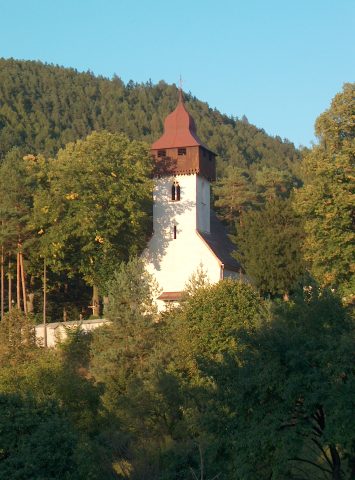
Raec Gorge’s town park doesn’t announce itself at first glance. Tucked into the quiet heart of a small Slovak town, it unfolds slowly, revealing charm that feels as if it has always been here. Unlike parks in capital cities or tourist hotspots, it doesn’t try to impress. It’s just there—a green refuge where nature and history mix with daily life.
The park took shape in the late 19th century, when public spaces for leisure became popular across Europe. Raec was then part of the Austro-Hungarian Empire, and local authorities wanted a place where townspeople could escape the bustle. Over the decades, the park became part of the town, though it never gained fame. It stayed a local spot, known mostly to neighbors.
The architecture is simple. A paved path leads to a modest fountain, where residents gather in warmer months to talk or listen to water and leaves. Old linden and chestnut trees tower overhead, their branches shading summer days. A few benches from the early 20th century remain, their wrought-iron backs and worn seats showing age. They’re not new, but that suits them.
A small pond, framed by weeping willows, is one of the park’s quiet features. The water is dark, reflecting the sky so clearly it feels like another world beneath. Locals say ducks once lived here, but now the pond is just a backdrop. Children still fish along its edges, though they rarely catch anything.
You can walk around the park in twenty minutes. That’s part of why it works. There’s no rush, no need to fill time. It invites slow strolls, letting seasons set the mood. Spring brings daffodils and tulips. Summer smells of grass and wildflowers. Autumn turns leaves gold and crimson. Winter covers everything in frost.
There are no rides, cafes, or souvenir stands. No modern playgrounds. What the park lacks in entertainment, it makes up in space for imagination. Children play hide-and-seek, spread picnics, or race down paths. Adults bring books, thermoses, or just sit on benches. The park doesn’t tell you what to do—it just offers a place to be.
Generations meet here. Elders who remember it from childhood, children who make early memories. Couples arrange dates, families walk dogs, small celebrations happen under the trees. Sometimes there’s a summer concert or a fair, but these are rare. The next day, the park returns to its usual pace.
Architecturally, the park is plain. No grand pavilions, no elaborate sculptures. But that’s why it works. It doesn’t try to be more than it is. Time moves differently here, without spectacle. There’s nothing out of place, and that’s why it feels familiar.
If you’re in Raec, don’t hurry past. Step in for a few minutes. Sit on a bench, listen to the leaves, watch the sky in the pond. You won’t find anything extraordinary. That’s the point. This isn’t a place for sightseeing—it’s a place for living, waiting for those who notice.