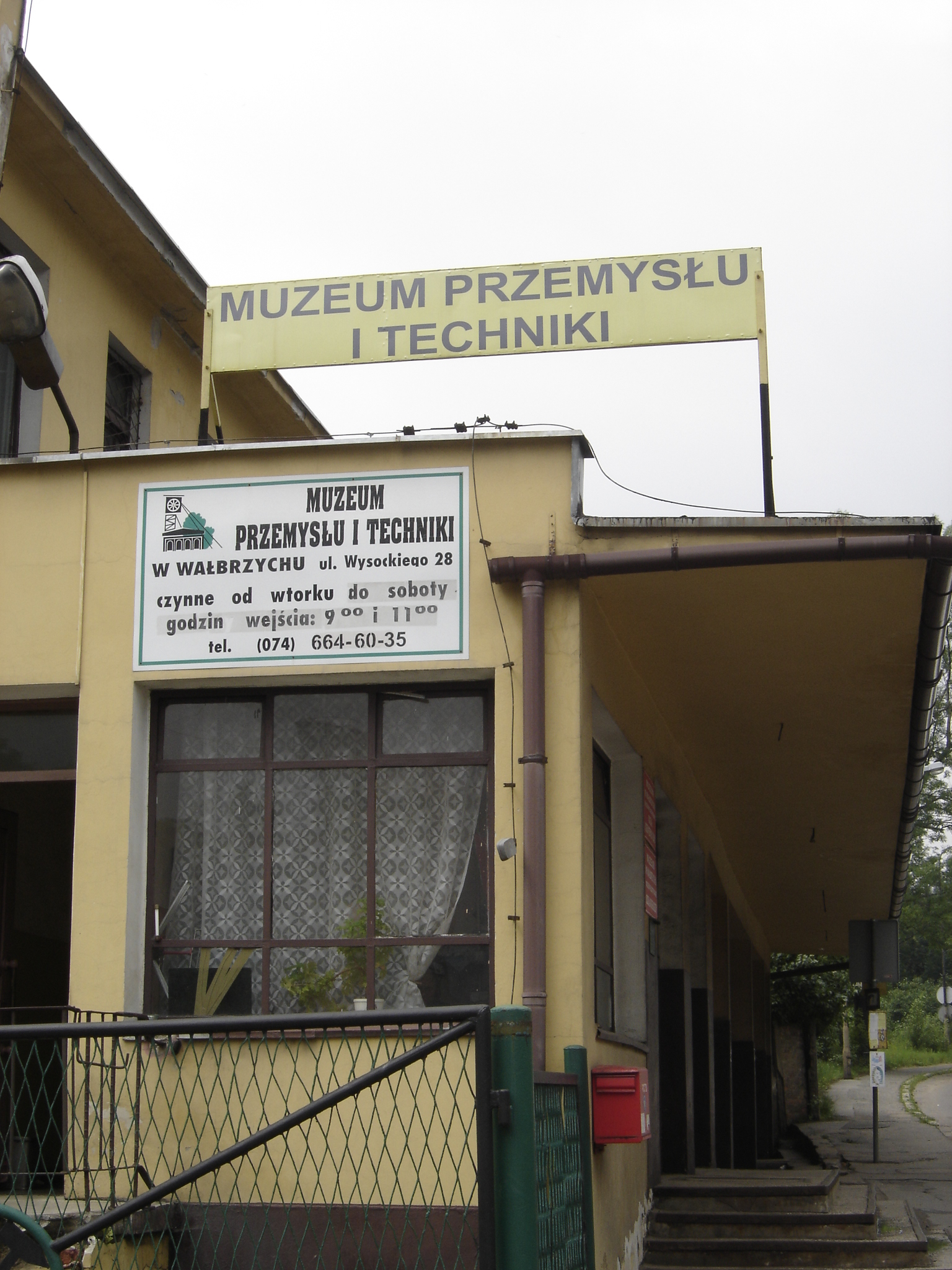
Wałbrzych sits in the southwest of Poland, a city that carries two distinct identities. Today, it’s a quiet place with leafy parks and well-preserved old houses, but half a century ago, its underground pulsed with life. Thousands of miners worked in the coal seams that fueled the country’s industry, earning Wałbrzych the title of the capital of the Lower Silesian Coal Basin. The Coal Mining Museum, housed in the former Julia Mine, tells the story of that era—not just as a record of the past, but as a living memory of the people who shaped it.
The mine opened in the mid-19th century, when Europe was racing toward industrialization and needed fuel to power its growth. Wałbrzych’s rich coal deposits turned it into a vital industrial hub under Prussian rule. Julia Mine operated for over a century, surviving wars, political upheavals, and economic crises before closing in the 1990s as unprofitable. What remains isn’t just a museum but a monument to the time when miners’ labor was the backbone of industrial strength.
The building itself is a relic of that era. The main structure, with its brick walls, tall windows, and steel framework, dates back to the early 20th century. Inside, the space is arranged to give visitors a sense of what life underground was like. The tour begins in the changing room, where wooden lockers stand in rows, helmets and lamps hang on hooks, and black-and-white photographs of miners line the walls. It feels as if they’ve just stepped out for a break.
The heart of the museum lies beneath the surface. Visitors descend about forty meters in a mining cage—the same kind that once carried workers and coal. Below ground, the tunnels and workings have been recreated to show how coal was extracted, from manual labor with picks to the later use of mechanized cutters. The guides, many of them former miners, share stories of working in damp, dark conditions, communicating over the roar of machinery and the grit of coal dust. Their voices bring the past to life in a way no exhibit ever could.
The museum doesn’t shy away from the political struggles tied to the mines. In the 1980s, Wałbrzych’s miners went on strike, demanding better working conditions and freedom of speech. Those protests became part of Poland’s broader fight for change, and the museum preserves that legacy through posters, flyers, and recordings of those who lived through it. It’s a reminder that the mines weren’t just about industry—they were part of the fabric of society.
Beyond its historical role, the museum has become a space where the past and present intersect. The former workshops now host contemporary art exhibitions, concerts, and theater performances. In summer, the courtyard fills with open-air film screenings; in winter, craft fairs take over. The high ceilings and rough walls create an atmosphere where old and new coexist in unexpected ways.
What makes the Coal Mining Museum worth visiting isn’t just its collection of artifacts. It’s the way it captures the human side of history—the worn handles of tools, the scribbled notes on walls, the voices of people who spent their lives underground. Wałbrzych has moved on from its coal-mining heyday, but traces of that legacy remain. The museum is one of those places where the past isn’t just remembered; it’s felt. It’s a reminder that behind every city lies a story, and sometimes, that story is buried beneath the surface.