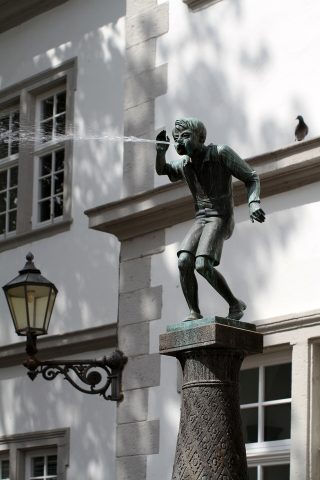
The Middle Rhine Museum in Koblenz is one of those rare places where history isn’t just preserved—it lingers in the air, woven into the very fabric of the building and the objects it holds. Housed in a former electoral palace dating back to the eighteenth century, the museum itself is part of the story. The grand halls, ornate stucco ceilings, and heavy wooden doors once echoed with the footsteps of the region’s rulers, men whose decisions shaped the fate of the Rhineland. Walking through these rooms, you can almost hear the murmur of past conversations, the clink of glasses at long-forgotten banquets, the rustle of documents being signed in haste.
The museum’s collection spans centuries, from the Roman era to the nineteenth century, but its heart lies in the Middle Ages and the early modern period—an age when the Rhine was far more than a river. It was the lifeblood of Europe, a highway for trade, ideas, and conflict. The exhibits bring this to life through everyday objects: coins stamped with the profiles of long-dead emperors, weapons that once clashed in battles, jewelry worn by women whose names are now lost to time. The Roman artifacts are particularly striking. Koblenz, then known as Confluentes, was a key outpost on the empire’s northern frontier, and the remnants of that era—fragments of mosaics, legion-marked pottery, even traces of the roads built by Roman engineers—offer a tangible connection to a world that once thrived here.
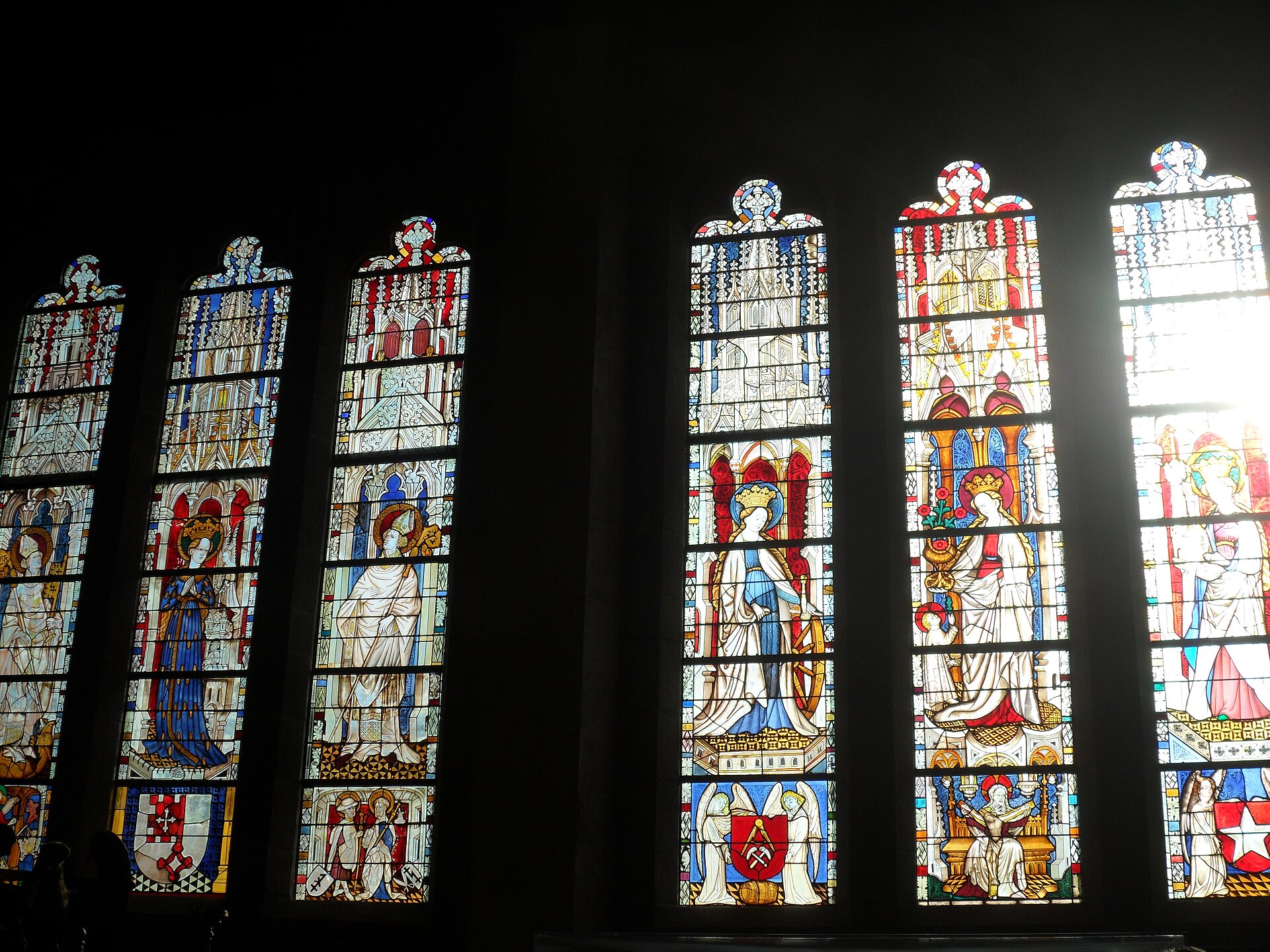
A dedicated section of the museum focuses on medieval Koblenz, a time when the city was a bustling hub of the Rhenish League of Cities. The Rhine and Moselle rivers made it a natural crossroads for trade, and the exhibits reflect this: tools used by blacksmiths and weavers, religious artifacts from local churches, and official documents bearing the seals of long-forgotten rulers. Models of the city’s fortifications and bridges, painstakingly reconstructed, show how Koblenz once looked—its walls bristling with defenses, its harbor crowded with ships laden with wine, salt, and metals. These small-scale recreations make it easier to imagine the city as it was: a place of constant movement, where merchants haggled in the streets and soldiers stood guard on the ramparts.
Art has always been a vital part of the region’s identity, and the museum’s collection includes works that capture the spirit of the Middle Rhine across the centuries. Paintings by local artists, intricate silverwork, and rare manuscripts reveal how the landscape inspired creativity. The nineteenth-century works of the Rhenish School are especially evocative, depicting the dramatic cliffs, ruined castles, and winding river that have come to symbolize this part of Germany. These paintings don’t just show a place—they convey a mood, a sense of romance and mystery that still clings to the Rhine Valley today.
Wine has been cultivated along the Middle Rhine for over two thousand years, and the museum pays homage to this enduring tradition. The exhibits trace the history of viticulture in the region, from the steep terraced vineyards to the evolution of winemaking techniques. Old wine presses, barrels, and bottles tell the story of how generations of growers adapted to the challenges of the land. Documents on display reveal the trade networks that once connected Koblenz to markets across Europe, proving that wine was more than just a commodity—it was a cultural thread binding the region to the wider world.
What makes the Middle Rhine Museum special is its ability to connect the past to the present. The Rhine Valley has always been a crossroads, a place where cultures collided and blended. Romans, Franks, French, and Germans all left their mark here, and the museum’s exhibits reflect this layered history. You can see how borders shifted, how languages evolved, and how traditions were passed down through the centuries. Yet amid all this change, one thing remained constant: the deep, unbreakable bond between the people and the land.
Visiting the museum is less about ticking off exhibits and more about slowing down to absorb the details. The quiet of the galleries, the way footsteps echo off the high ceilings, the way light filters through the windows—it all conspires to make time feel suspended. You find yourself noticing things you might otherwise overlook: the faint cracks in a piece of ancient pottery, the intricate engravings on a medieval coin, the delicate script on a yellowed page. These small moments of connection make the past feel alive, not as a series of dates and events, but as a living, breathing part of the present.
The Middle Rhine Museum isn’t just a repository of artifacts; it’s a place that invites reflection. It asks visitors to consider what it means to belong to a place, to be shaped by its history and, in turn, to shape it. The Rhine Valley is often seen as a picturesque tourist destination, but this museum reminds us that it’s also a landscape of memory, where every stone, every bend in the river, has a story to tell. For those willing to listen, it offers a deeper understanding of why this region is the way it is—and why it continues to captivate those who pass through it.