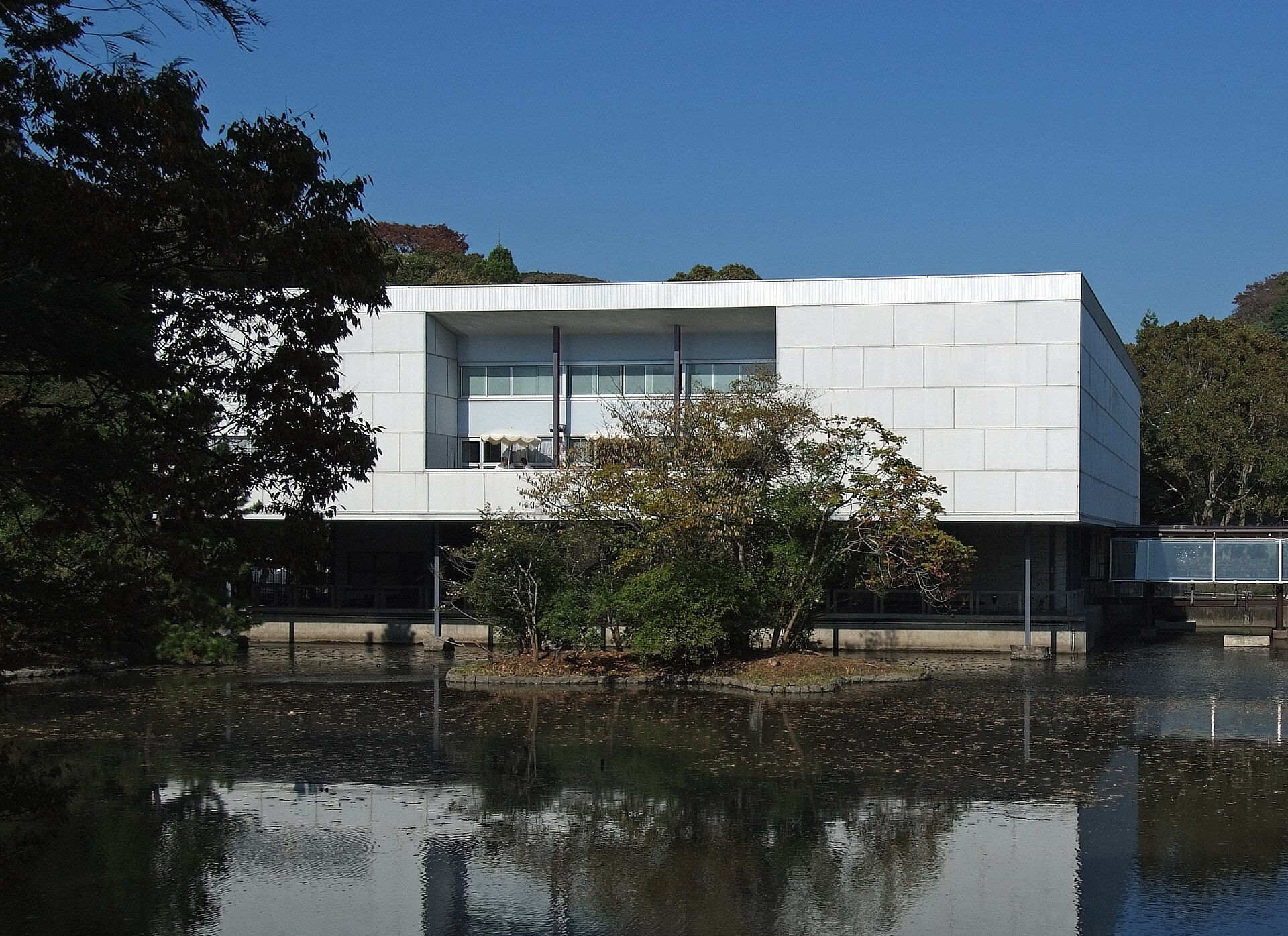
The Kamakura and Hayama Museum of Modern Art feels like a quiet conversation between art, nature, and history. Tucked between the gentle hills of Hayama and the historic streets of Kamakura, it occupies a space where the past and present coexist effortlessly. Kamakura itself is a town steeped in tradition, known for its ancient temples and coastal views, while Hayama offers a more subdued charm with its seaside calm. The museum’s buildings, designed by architect Jun Ito in the early 1950s, blend seamlessly into this landscape, their modern lines softened by the surrounding greenery and the distant sound of waves.
The museum’s origins trace back to the private collection of Matsukata Kojiro, a businessman and art enthusiast who became fascinated by Western art in the early 20th century. After World War II, he donated part of his collection to Japan, laying the foundation for what would become a bridge between Japanese and European artistic traditions. The museum opened in Kamakura in 1951, later expanding to Hayama in the 1980s. Today, its collection spans over ten thousand works, from Impressionist masterpieces to contemporary Japanese art, reflecting a dialogue between cultures that continues to evolve.
The architecture of the museum is as thoughtfully considered as the art it houses. The main building in Kamakura is a striking example of postwar modernism, its clean lines and functional design respecting the natural environment. Elevated on slender columns, it seems to float above the ground, with large windows framing views of the garden and Sagami Bay. In Hayama, the museum occupies a former imperial villa, its traditional elements—sliding shoji screens, inner courtyards—preserved and adapted for modern exhibitions. The contrast between the two spaces is subtle but meaningful, offering different ways to experience art.
The collection is broad in scope, covering everything from Monet and Renoir to Japanese artists who embraced Western techniques while retaining their own aesthetic sensibilities. A particularly compelling section focuses on early 20th-century Japanese modernism, a period when artists like Yuzo Saeki and Ryusei Kishida explored new forms of expression. Temporary exhibitions often tackle contemporary themes, from environmental concerns to digital art, ensuring the museum remains a dynamic space. The permanent collection, meanwhile, invites visitors to trace the influence of European art on Japan and vice versa, a relationship that has shaped much of the country’s artistic identity.
One of the museum’s defining features is its connection to nature. The gardens surrounding the buildings are designed to reflect the changing seasons—cherry blossoms in spring, lush greenery in summer, fiery foliage in autumn, and stark, elegant branches in winter. In Hayama, the museum’s proximity to the sea adds another layer to the experience. Visitors can stroll along the waterfront or simply sit by the shore, the sound of waves blending with the quiet contemplation of art. This harmony between the built environment and nature is no accident; it mirrors a fundamental aspect of Japanese culture, where art and the natural world are deeply intertwined.
Unlike larger, more crowded museums, this one doesn’t feel like a place of mass tourism. There are no overwhelming crowds or hurried footsteps, just a sense of calm and space to engage with the art on a personal level. The galleries are airy and uncluttered, allowing the works to speak for themselves. While informational materials are available in multiple languages, the emphasis is on visual experience rather than didactic explanations. For those who want to delve deeper, lectures and guided tours are offered, but they’re never intrusive, leaving room for individual interpretation.
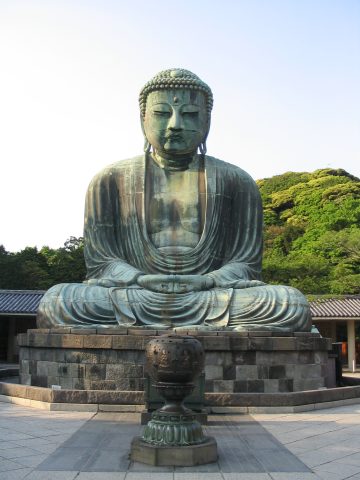
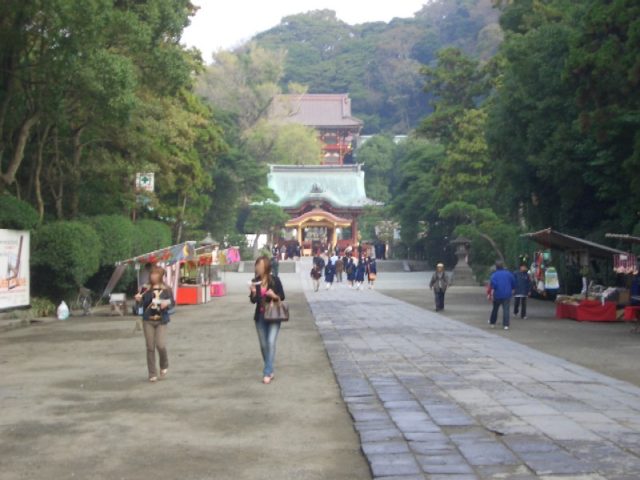
Kamakura and Hayama themselves are places where history lingers in the air. Kamakura, once the political center of Japan in the 13th century, still carries the weight of its samurai past. The Great Buddha at Kotoku-in, the grand shrine of Tsurugaoka Hachimangu, and the countless smaller temples hidden among the trees all tell stories of a bygone era. Hayama, by contrast, is a quieter retreat, its imperial connections lending it a sense of understated elegance. A visit to the museum can easily be part of a broader exploration of the area—perhaps starting with the ancient temples of Kamakura, moving on to the galleries, and ending with a walk along Hayama’s waterfront as the sun sets over the bay.
What makes this museum special isn’t just its collection or its architecture, but the way it invites visitors to slow down and engage with art in a meaningful way. It’s not about grand statements or spectacle, but about the quiet moments of connection that happen when you stand in front of a painting or sculpture and let it speak to you. Whether it’s a Monet landscape that captures the fleeting quality of light or a contemporary Japanese work inspired by Zen philosophy, the museum offers a space where art feels alive and relevant.
In the end, the Kamakura and Hayama Museum of Modern Art is more than a repository of artworks. It’s a place where different cultures, eras, and ideas intersect, where the boundaries between East and West, past and present, blur in the most natural way. There are no rigid interpretations here, no prescribed ways of seeing. Instead, the museum simply provides the setting for art to unfold in its own time, allowing each visitor to find their own path through its galleries and gardens.