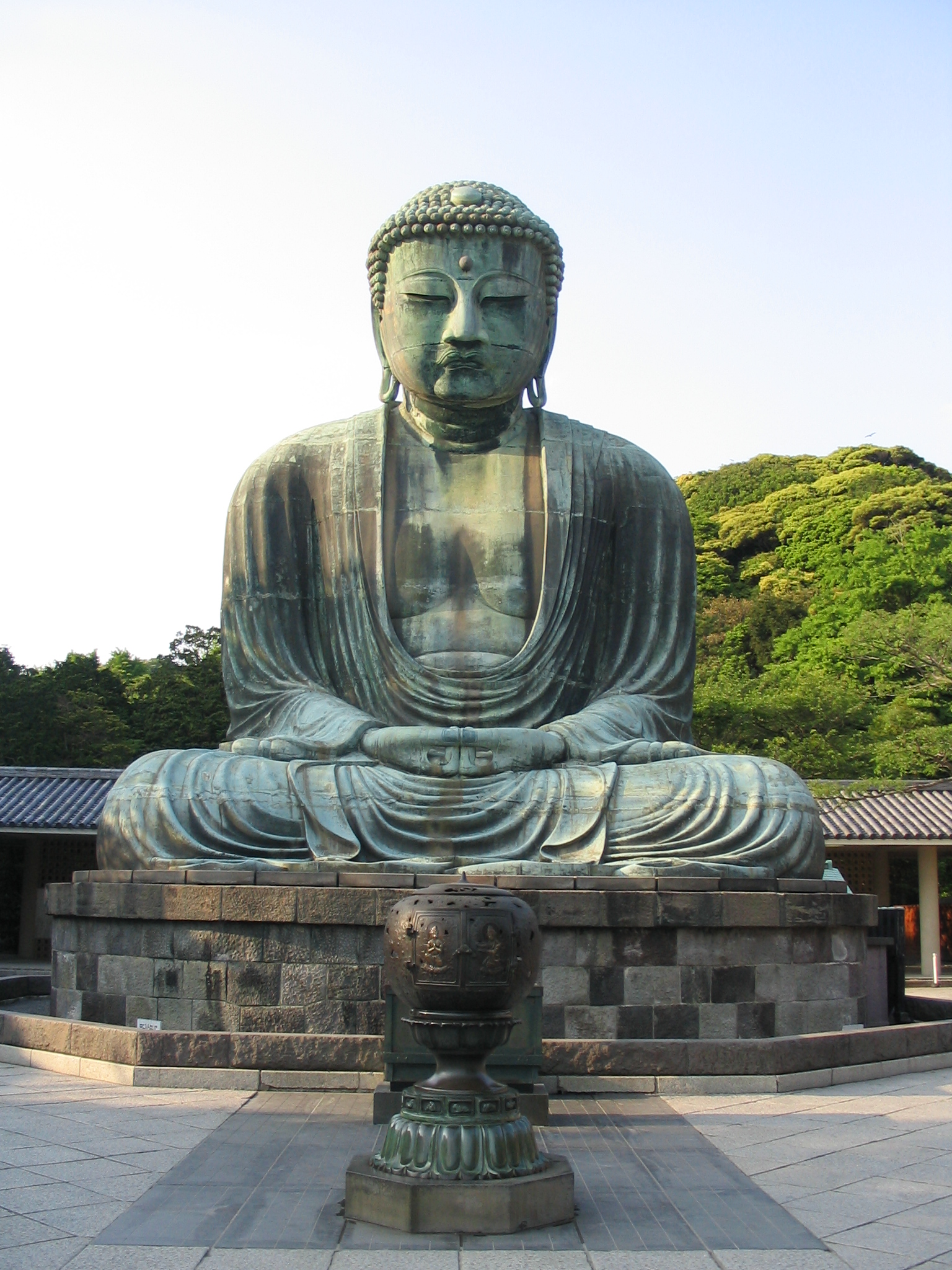
Kamakura’s Kotoku-in Temple isn’t the kind of place you visit for towering pagodas or elaborate rituals. Instead, people come for the Great Buddha, or Daibutsu—a twelve-meter bronze statue of Amida Nyorai that has sat outdoors for nearly eight hundred years. Unlike most sacred figures, this one isn’t hidden behind temple walls or framed by grand architecture. It simply stands among the trees, as much a part of the landscape as the hills behind it, familiar to locals and visitors alike.
The statue’s origins trace back to the mid-13th century, when Kamakura wasn’t just a city but the seat of the shogunate, the military heart of Japan. The first Buddha here was wooden, but it didn’t survive the elements—a tsunami in 1498 swept away both the temple and the statue. The bronze Daibutsu that replaced it was cast in 1252, and since then, it has weathered earthquakes, fires, and floods. It has watched Kamakura transform from a political stronghold into the quiet coastal town it is today, drawing pilgrims and travelers who wander its paths.
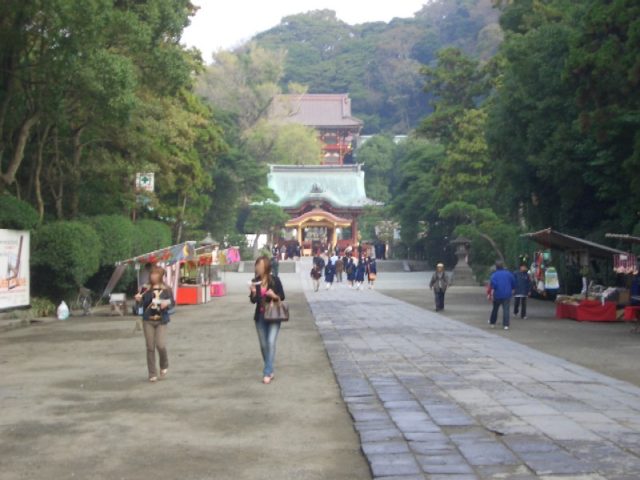
The temple grounds are small but feel like a pocket of stillness, where time moves at a different pace. Old ginkgo and pine trees shade the area, and stone paths wind around the statue, worn smooth by centuries of footsteps—monks, warriors, and now tourists. Inside the temple hall, a modest exhibit traces the history of the Daibutsu, with old documents, models of lost structures, and photographs showing how the site has changed. But the real draw isn’t the displays; it’s the sense of continuity, the way the past lingers in the air. It’s easy to imagine medieval visitors coming here for solace or guidance, just as people do now, standing quietly beside the statue, lost in their own thoughts.
What’s striking about the Great Buddha is how human it feels, despite its size. Originally gilded in gold leaf, traces of which still cling to the folds of its robes, the statue has mellowed over time but hasn’t lost its presence. There’s nothing distant or intimidating about it. The proportions are balanced, the face serene—half-closed eyes and a faint smile giving it an almost lifelike quality. Some say its expression shifts with the light, stern in the morning and softer by evening. Whether that’s true or not, there’s a warmth to it, a sense that this isn’t just a monument but something that has witnessed generations of human lives.
Kotoku-in is deeply tied to Kamakura’s history, but its significance stretches far beyond the city. The Daibutsu has become a symbol not just of Buddhism but of Japanese culture itself, appearing on postcards, in films, and in countless photographs. Yet it hasn’t been turned into a museum piece, sealed off from visitors. You can even step inside the statue through a narrow staircase, entering the hollow space where sacred texts were once kept. Now it’s empty, but the act of climbing inside, of touching the same bronze that has stood for centuries, makes the experience feel strangely intimate.
Kamakura is known for its temples, but Kotoku-in stands apart. There are no crowded ceremonies or loud prayers here. People arrive in small groups or alone, sitting on benches, taking photos, or simply gazing at the Buddha in silence. On rainy days, the statue seems even more imposing, water streaming down its surface as if it were alive. In winter, when the grounds are quiet and nearly empty, the stillness makes it easier to reflect. Summer brings hydrangeas in bloom, turning the temple into a burst of color, and even those indifferent to Buddhism find themselves lingering, drawn in by the atmosphere.
Today, Kotoku-in isn’t just a pilgrimage site; it’s part of Kamakura’s everyday rhythm. Locals bring their children to show them the city’s history, while tourists often stay longer than planned, losing track of time. The area around the temple is quiet, with low-slung houses and narrow streets where you can wander after your visit. If you’re lucky, you might see monks performing rituals or gardeners tending to the trees, but even if nothing remarkable happens, the place leaves an impression. There’s a sense of stepping into something larger than a tourist attraction, a quiet reminder of how small our own lives are in the grand sweep of time.
At times, it’s hard not to think that the Daibutsu regards the city with a hint of amusement—as if to say, everything changes, but here it remains. Over eight centuries, empires have risen and fallen, rulers have come and gone, and generations have lived and died, yet the statue sits unchanged, a silent witness to it all. That might be why people keep returning—not for the spectacle or the photo opportunities, but for the quiet it offers, a rare thing in a world that moves too fast.