Hasedera in Kamakura is one of those rare places where time seems to slow down, as if the weight of history, the quiet rhythm of nature, and the stillness of devotion have settled into the very air. Perched on a hillside, the temple reveals itself gradually—first the sound of waves rolling onto the shore below, then the glint of pagoda roofs through the trees, and finally the sweeping view of Sagami Bay, its waters stretching endlessly on clear days. Unlike the crowded temples of Kyoto or the bustling shrines of Tokyo, Hasedera feels like a retreat, a place where the outside world fades into the background. Here, you can linger on a wooden terrace, watching the sea, or follow the stone steps upward, each one worn smooth by centuries of footsteps.
The temple’s origins are shrouded in legend, as is often the case with Japan’s oldest sacred sites. It’s said that Hasedera was founded in the 8th century, when Buddhism was still taking root in the country. According to one story, a monk named Tokudo discovered a massive camphor tree floating in the sea and carved two statues of Kannon, the bodhisattva of compassion, from its wood. One statue was enshrined in Todai-ji in Nara, while the other found its home here, on this stretch of coastline. Over time, a community of monks grew around the statue, and the temple took shape, though it was rebuilt many times after fires and earthquakes. The version we see today dates largely to the 17th century, when Hasedera was restored following the devastation of the Sengoku period, a time of civil war that left much of Japan in ruins.
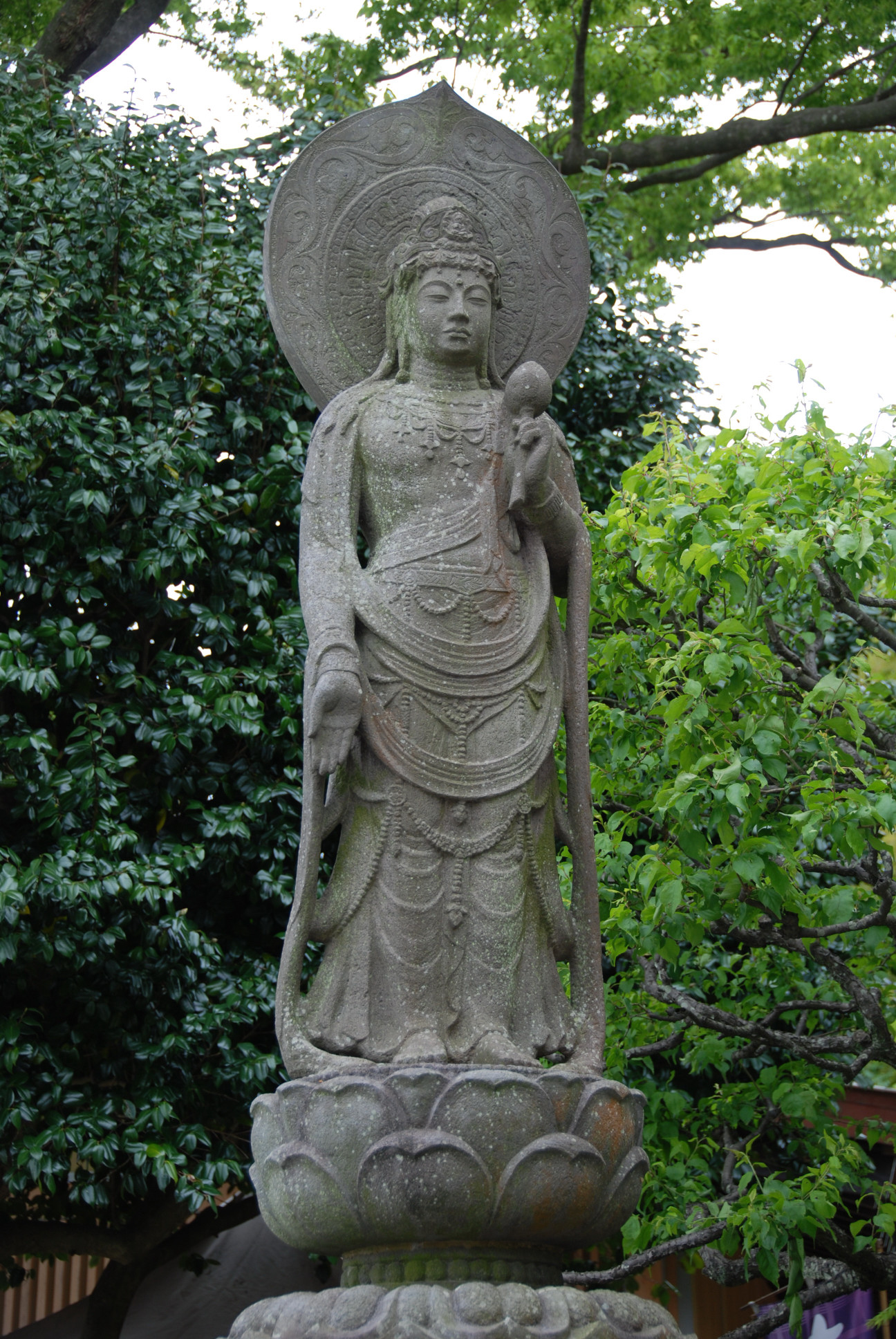
At the heart of Hasedera stands an eleven-headed statue of Kannon, one of the largest wooden sculptures in Japan. Nearly nine meters tall, the figure is gilded in gold leaf, its multiple faces radiating different aspects of the bodhisattva’s nature—compassion, wisdom, patience. The statue is housed in the main hall, where visitors are welcome to pay their respects, though photography is not allowed. Around the hall, smaller shrines dot the grounds, including countless statues of Jizo, the guardian of children and travelers. Many of these figures are adorned with small piles of stones, left by pilgrims as offerings or prayers. The quiet devotion of these acts feels far removed from the noise of modern life, a reminder of the temple’s enduring role as a place of solace.
The architecture of Hasedera is unassuming, almost understated, yet that’s part of its charm. The buildings are low-slung, their curved roofs covered in weathered gray tiles, blending seamlessly with the hillside. There’s no grandiosity here, no towering gates or ornate carvings—just a sense of harmony with the landscape. In autumn, the maple trees surrounding the temple burst into crimson and gold, their leaves reflecting in the temple’s ponds. Spring brings cherry blossoms, their petals drifting onto the paths like confetti. Even in summer, the shade of the trees keeps the air cool, while winter’s rare snowflakes melt on the stone steps before they can settle. Along the pathways, stone lanterns stand sentinel, their soft glow in the evenings adding to the temple’s serene atmosphere.
One of Hasedera’s most intriguing features is the cave of Benzaiten, tucked into the hillside near the base of the temple grounds. Inside, a small shrine honors Benzaiten, the goddess of music, eloquence, and fortune. The cave is shallow but cool, its walls covered in centuries-old inscriptions left by pilgrims. The air inside feels heavy with the weight of countless wishes, and it’s easy to see why people come here seeking inspiration or luck. Nearby, a spring bubbles up from the earth, its water said to have healing properties. Many visitors fill bottles to take home, a small but meaningful souvenir of their visit.
Hasedera isn’t just a place for prayer; it’s a space where the rhythms of Japanese life unfold naturally. There are no rigid rules here, no strict dress codes or guided tours. Visitors are free to wander, to pause where they please, to sit on a bench and watch the world go by. At the entrance, wooden ema plaques are sold, each one a blank canvas for writing wishes or prayers. Some ask for good health, others for success in their endeavors, and the plaques soon fill the racks, swaying gently in the breeze. Another tradition involves small clay wind chimes called furin, their soft tinkling believed to ward off evil spirits. The temple’s gift shop offers these and other keepsakes—prayer beads, amulets, postcards of Kannon—each one a tangible connection to the temple’s spiritual legacy.
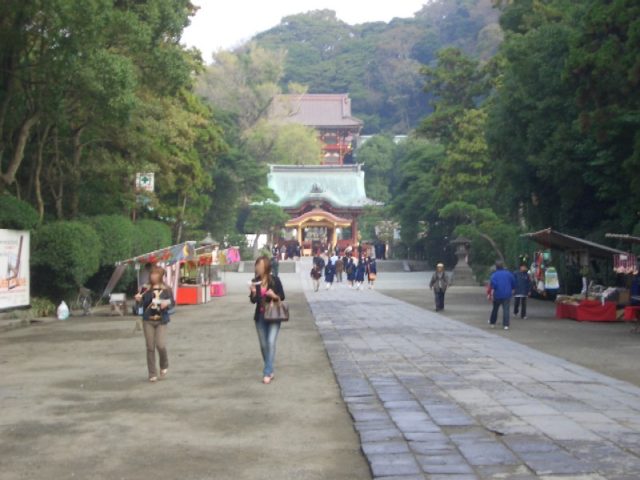
Kamakura is known for its temples, but Hasedera stands apart, its character shaped by its proximity to the sea and the way it sits apart from the city’s urban sprawl. From here, it’s easy to imagine what Japan might have looked like centuries ago, when Kamakura was the nation’s capital and pilgrims traveled for days along mountain trails to pay their respects to Kannon. Today, the journey from the train station takes just a few minutes, but the sense of stepping back in time remains. Pass through the torii gate, climb the steps, and the noise of the city falls away, replaced by the sound of waves and the rustle of leaves.
The temple moves to its own quiet rhythm, undisturbed by the ebb and flow of tourists. Monks still conduct daily rituals, tend to the gardens, and maintain the grounds. On certain days, ceremonies are held that are open to all, regardless of faith. One of the most beautiful is the wisteria festival in May, when the temple’s trellises burst into bloom with cascading purple flowers. The air fills with their sweet scent, and people gather to sit beneath the blossoms, savoring the fleeting beauty of the season. In moments like these, Hasedera feels less like a tourist attraction and more like a living, breathing part of something timeless.
Visiting Hasedera doesn’t require any special preparation. There are no long lines, no rigid schedules, no pressure to see or do anything in particular. You can arrive early in the morning, when the temple is just opening and the only sounds are the cries of gulls and the distant crash of waves. Or you can stay until evening, when the lanterns are lit and the sea darkens to a deep indigo. On rainy days, the temple takes on a different mood—the sound of water dripping from the eaves, the slick moss underfoot, the way the mist softens the edges of the landscape. Whether you come for the history, the views, or simply to be alone with your thoughts, Hasedera meets you where you are. It doesn’t demand awe or reverence; it simply offers the space to feel whatever you need to feel. That, perhaps, is the real magic of the place.