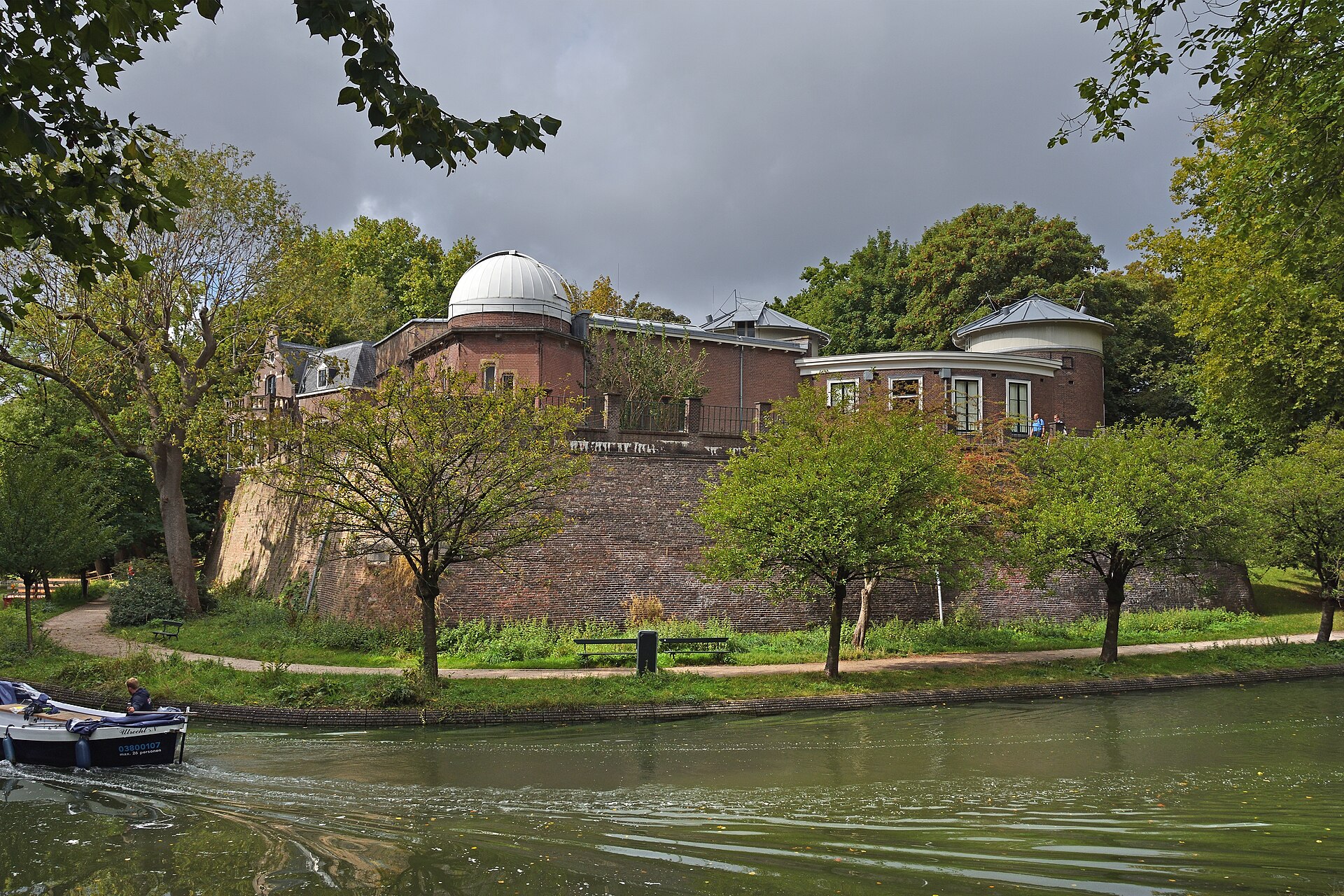
Sonnenborgh Museum in Utrecht is one of those rare places where science and history intertwine so naturally that the past doesn’t just feel preserved—it feels alive. Tucked away in a quiet corner of the old city, this is the world’s oldest functioning university observatory, founded in the mid-17th century when astronomy was just beginning to break free from medieval constraints. The building itself tells a story of transformation: once part of the city’s fortifications, its thick brick walls and narrow windows now house instruments that once mapped the heavens rather than defended against earthly threats. Walking through its rooms, you don’t just see old telescopes and astrolabes—you sense the curiosity that drove generations of astronomers to peer into the night sky, long before satellites or digital imaging existed.
The observatory stands on the site of the former Sonnenborgh bastion, built in the 16th century as part of Utrecht’s defenses. Where cannons once stood, now there are meridian circles and solar clocks, tools that allowed scientists to measure time and space with remarkable precision for their era. The architecture reflects this shift: the same sturdy construction that once protected the city now shelters delicate instruments, their wooden frames and brass fittings worn smooth by centuries of use. The spiral staircases leading to the telescope domes creak underfoot, and the air carries the faint scent of aged wood and metal—a reminder that this was once a place of serious, even solitary, work. The clocks here weren’t for soldiers keeping watch; they marked the hours for astronomers tracking the movements of planets and stars.
Utrecht has long been a city where knowledge is woven into its streets, and Sonnenborgh is deeply tied to its academic heart. The observatory was established under the auspices of Utrecht University, one of the oldest in the Netherlands, at a time when the city was a hub of scientific inquiry. In the 17th century, it attracted astronomers whose work would reshape our understanding of the cosmos. Among them was Christiaan Huygens, who discovered Saturn’s rings and its moon Titan from this very spot. His observations, along with those of his contemporaries, helped dismantle old cosmological models and laid the groundwork for modern astronomy. Sonnenborgh wasn’t just a building where research happened—it was a place where ideas took shape, where the universe began to reveal its secrets one careful observation at a time.
Today, the museum’s collection includes instruments that span centuries, many still in working order. There are 18th- and 19th-century telescopes with finely crafted lenses, solar clocks that once calibrated time by the sun’s position, and sextants used to measure angles between celestial bodies. The meridian circle, housed in its own room, was a marvel of its time—a device so precise it could determine the exact moment a star crossed the local meridian, allowing astronomers to calculate longitude and time with unprecedented accuracy. These aren’t just relics behind glass; they’re tangible connections to the people who used them, to the questions they asked, and to the slow, painstaking process of discovery. Standing next to them, you can almost hear the scratch of quills on paper as astronomers recorded their findings, or the quiet hum of concentration as they adjusted a lens.
What makes Sonnenborgh unusual is that it’s not just a museum—it’s still a place of active observation. On clear evenings, visitors can climb to the domes and look through the same telescopes that once revealed the craters of the moon or the phases of Venus. The experience is humbling: there are no digital enhancements, no instant answers, just the raw act of looking, the way it was done for centuries. Modern astronomers and enthusiasts still gather here, not only to study the sky but to keep alive the traditions of hands-on observation. For many, it’s a rare chance to step outside the noise of contemporary science and see the universe through the eyes of those who first dared to measure it.
The atmosphere inside Sonnenborgh is one of quiet reverence, a space where curiosity feels more important than spectacle. There are no crowds here, just people who are genuinely drawn to the history of science or the simple act of looking closely at something real. The lighting is soft, the rooms uncluttered, and the sense of continuity is palpable. It’s easy to imagine the debates that once filled these halls—astronomers arguing over the nature of comets, or the implications of a new discovery. The guides, often astronomers or historians themselves, don’t just explain how the instruments work; they tell the stories of the people who used them, the mistakes they made, and the breakthroughs they achieved. It’s a reminder that science isn’t just about facts—it’s about the people who pursue them, often in the face of uncertainty.
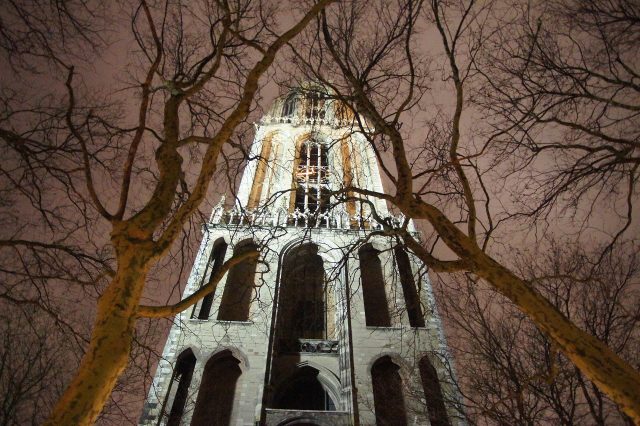
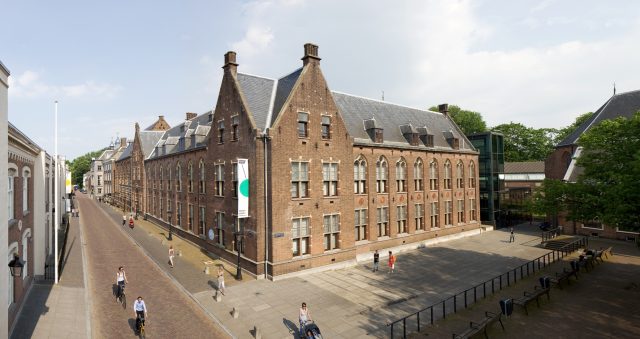
Utrecht has always been a city where the past and present coexist, where medieval towers stand beside modern research labs, and where the pursuit of knowledge feels like part of the city’s DNA. Sonnenborgh is a perfect example of this blend. Unlike larger museums, where exhibits can feel distant or overwhelming, here every object has a sense of place. The building itself is part of the story, its walls bearing the marks of centuries of use. It’s a place for those who appreciate history that feels lived-in, where you can linger over a telescope or a set of solar clocks and imagine the hands that once adjusted them. There’s no rush, no scripted experience—just the quiet satisfaction of connecting with something that has endured.
Visiting Sonnenborgh isn’t like touring a typical museum. There are no flashy displays or dramatic reconstructions, just the quiet authenticity of a place that has witnessed the evolution of astronomy firsthand. The instruments, the walls, even the silence all carry echoes of the past—of the debates, the discoveries, and the sheer persistence of those who sought to understand the cosmos. For anyone with an interest in science, history, or simply places with character, Sonnenborgh offers something rare: a chance to step into the shoes of the astronomers who came before, to see the sky not as a distant spectacle, but as a puzzle they were determined to solve. It’s a small museum, but its impact lingers long after you leave.