Suzhou is China’s silk capital, a place where craftsmanship and trade have shaped the city for centuries. The Suzhou Silk Museum traces the history of a craft that defined the city’s identity. For over two thousand years, silkworm farmers and weavers along the Grand Canal produced fabrics that reached distant lands via the Silk Road. The museum, opened in the late 20th century, connects past and present, showing how tradition became art and part of China’s cultural heritage.
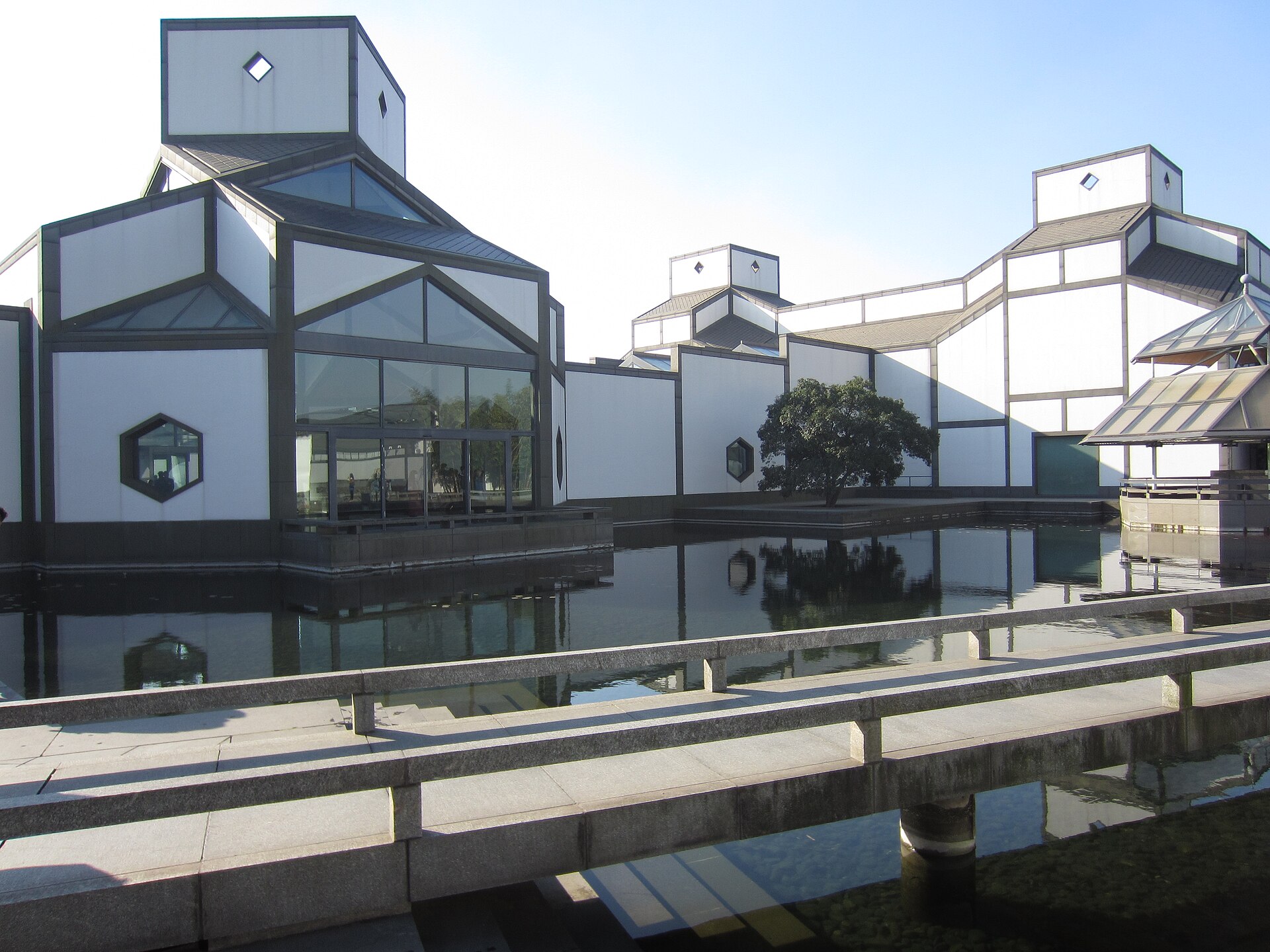
The building blends old and new. Designed like a traditional Chinese workshop, it includes modern elements that emphasize heritage. The entrance features carved wooden panels with silkworms and mulberry trees. Inside, soft lighting and spacious halls evoke the feeling of artisans at work, turning threads into textiles.
The exhibition starts with the silkworm, the foundation of the industry. Visitors see how these insects hatch, spin cocoons, and feed on mulberry leaves. Live silkworms at different stages are displayed alongside tools once used by farmers. This section reveals the patience and labor behind even a small amount of silk.
The next hall covers Suzhou’s silk-weaving history. Ancient looms from the Han Dynasty and fabric samples from archaeological sites are on view. Maps of the Silk Road, trade contracts, and merchants’ letters show the city’s role in global commerce—with Suzhou silk reaching Persia, Rome, and Byzantium. Traditional patterns like dragons, phoenixes, plum blossoms, and peonies appear in garments for emperors, nobles, and scholars, each symbol carrying meaning.
A recreated workshop lets visitors watch artisans at work. They handle threads, mix dyes, and turn fabric into clothing or decor. Sometimes, you can try weaving on a simplified loom to feel the craft’s complexity.
The museum also looks at modern silk. A section highlights innovations—high-tech fabrics, experimental designs, and silk-based art. It explains silk’s uses today, from fashion to medicine and aerospace, showing how tradition adapts.
The imperial garments are unforgettable. Robes embroidered with gold and silver, headdresses, and accessories worn by Chinese emperors fill the display. Qing Dynasty robes stand out for their heavy embroidery, while aristocratic attire appears simpler. Silk wasn’t just for clothing—it covered screens, fans, umbrellas, and musical instruments, proving its versatility.
Suzhou’s craftsmanship and trade history come alive here. The museum offers a quiet space to reflect on silk’s legacy. After visiting, even the souvenirs in local markets feel different—they’re not just objects but pieces of a living tradition.