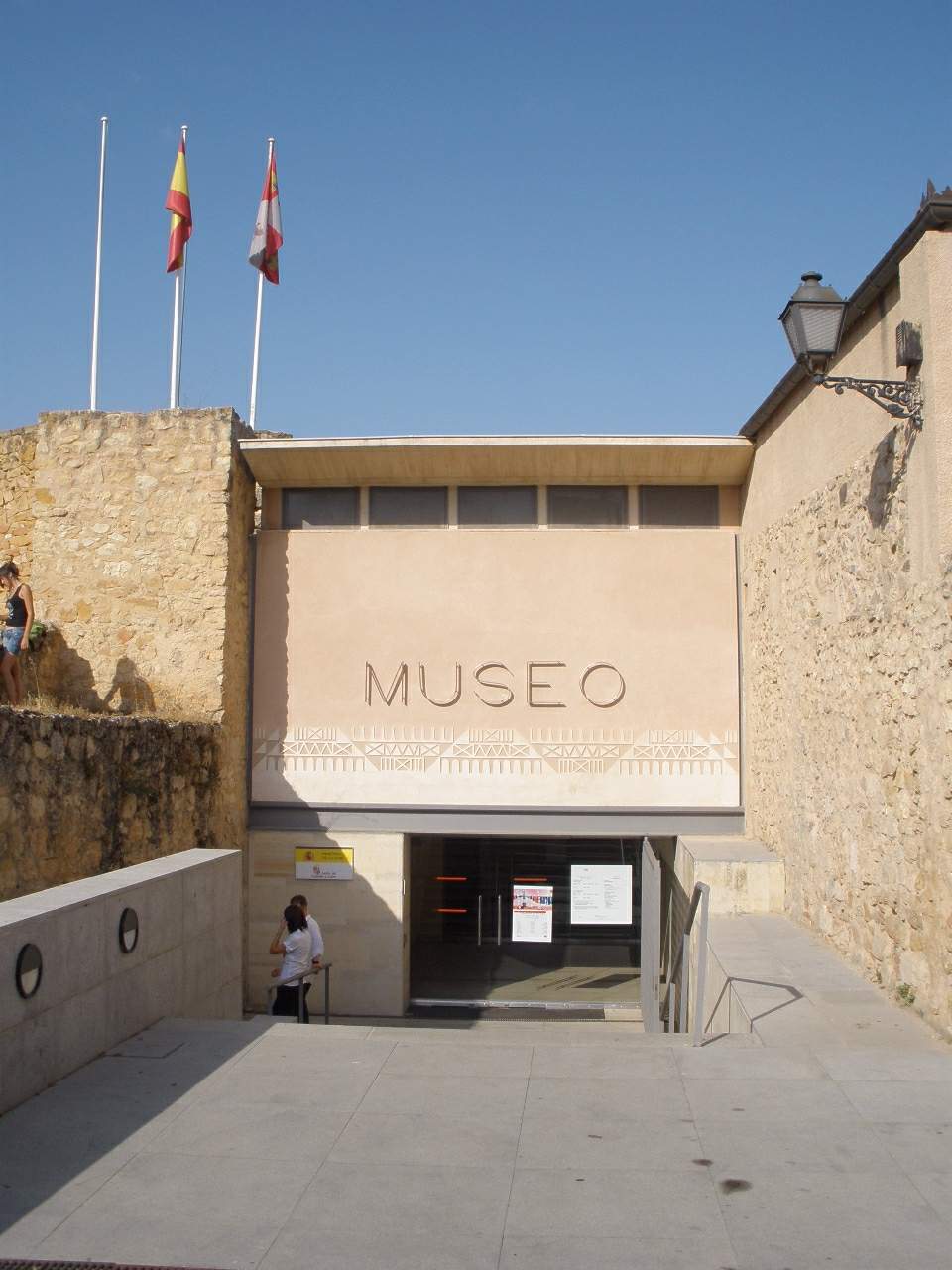
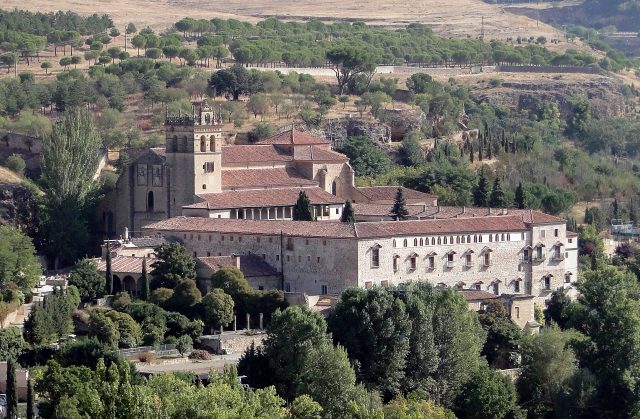
The Museum of Segovia sits at the heart of the old city, housed in a building that carries its own weight of history. Once the bishop’s palace, constructed in the sixteenth century during Segovia’s golden age, its thick stone walls and vaulted ceilings still hold the echoes of a time when the city thrived as a center of trade, craftsmanship, and power. The palace itself was a place where decisions shaping not just Segovia but all of Castile were made, and today it shelters collections that have grown over centuries, each piece offering a glimpse into the lives that unfolded here.
The museum’s exhibits trace Segovia’s story from its earliest days. Long before the Gothic cathedral or the aqueduct rose over the city, Segovia—then known as Segovia—was a Roman stronghold, a key point on the route between the Meseta and the northern reaches of the Iberian Peninsula. The displays include bronze fibulae, fragments of mosaics, and pottery marked with the stamps of long-forgotten artisans. A particularly striking collection features coins minted locally in the third century, a reminder of the city’s long-standing importance.
The medieval period comes alive in the museum’s halls, where Segovia’s role as a cornerstone of the Kingdom of Castile is impossible to ignore. Wealth flowed into the city, drawing skilled craftsmen from across Europe. Wooden panels carved with intricate designs, vividly painted altar fragments, and rare surviving examples of Gothic sculpture fill the rooms. One section is devoted to Segovia’s Jewish community, which flourished until the late fifteenth century. Tombstones inscribed in Hebrew, everyday objects, and documents paint a picture of a vibrant community before its expulsion from Spain.
The Renaissance brought another wave of prosperity, and Segovia became renowned for its weavers, armorers, and goldsmiths. The museum’s collection from this era includes ornate suits of armor inlaid with gold and silver, lavish tapestries depicting mythological scenes, and paintings by local artists who may have drawn inspiration from the Flemish masters. A dedicated hall explores the city’s textile industry, where wool from Segovian sheep was prized across Europe. The craftsmanship on display speaks to a time when the city’s elite spared no expense in adorning their homes and themselves.
For a sense of everyday life in the eighteenth and nineteenth centuries, the museum’s folk art collection offers a quieter but no less compelling perspective. Here, simple objects tell the story of ordinary people—clay pots, wooden tools, embroidered linens, and the clothes worn by townsfolk and farmers from the surrounding countryside. Children’s toys, crafted from wood and clay, sit alongside old photographs capturing the faces of those who lived here generations ago. These pieces remind visitors that history isn’t just about kings and battles; it’s also about the small, human moments that shaped a place.
Beyond the exhibits, the building itself is worth lingering over. The inner courtyard, with its columns and arches, the grand staircase with its carved banisters, and the tall windows that flood the rooms with light all contribute to an atmosphere where the past feels tangible. The museum isn’t just a repository of artifacts; it’s a space where the layers of Segovia’s history unfold naturally, inviting visitors to spend hours tracing the connections between the objects and the city outside.
Occasionally, the museum hosts temporary exhibitions that delve deeper into specific themes or periods. These might include displays of antique maps, photographic retrospectives of twentieth-century Segovia, or even works by contemporary artists inspired by the city’s traditions. Such events keep the museum from feeling like a static archive, instead offering a place where history and the present intersect.
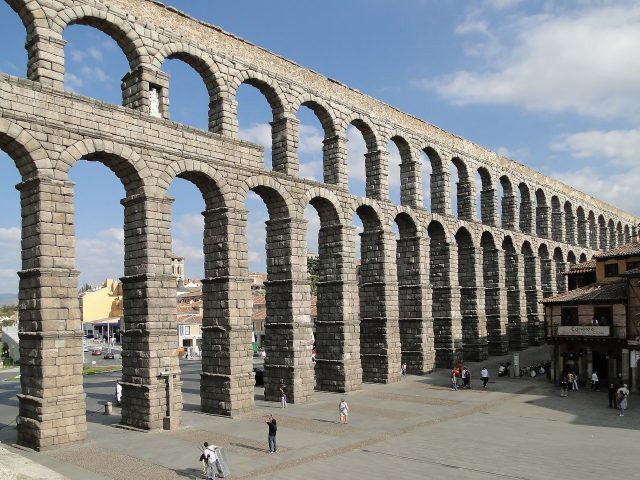
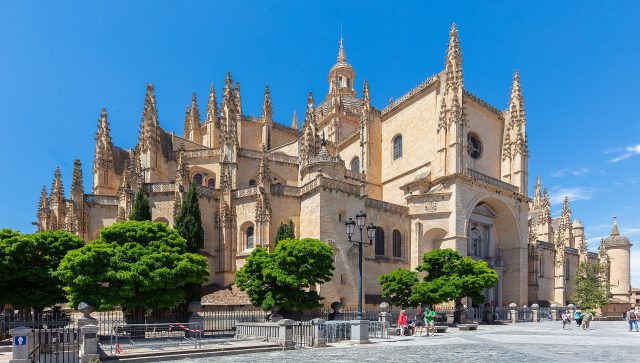
A visit to the Museum of Segovia is as much about the experience of the building as it is about the collections. After wandering through the halls, stepping back into the streets of the old city can feel like seeing Segovia with new eyes. The aqueduct, the cathedral, the winding alleys—all of it becomes part of the same story, one that the museum helps to unravel. Segovia itself is an open-air museum, and this palace is just one of its many chapters.