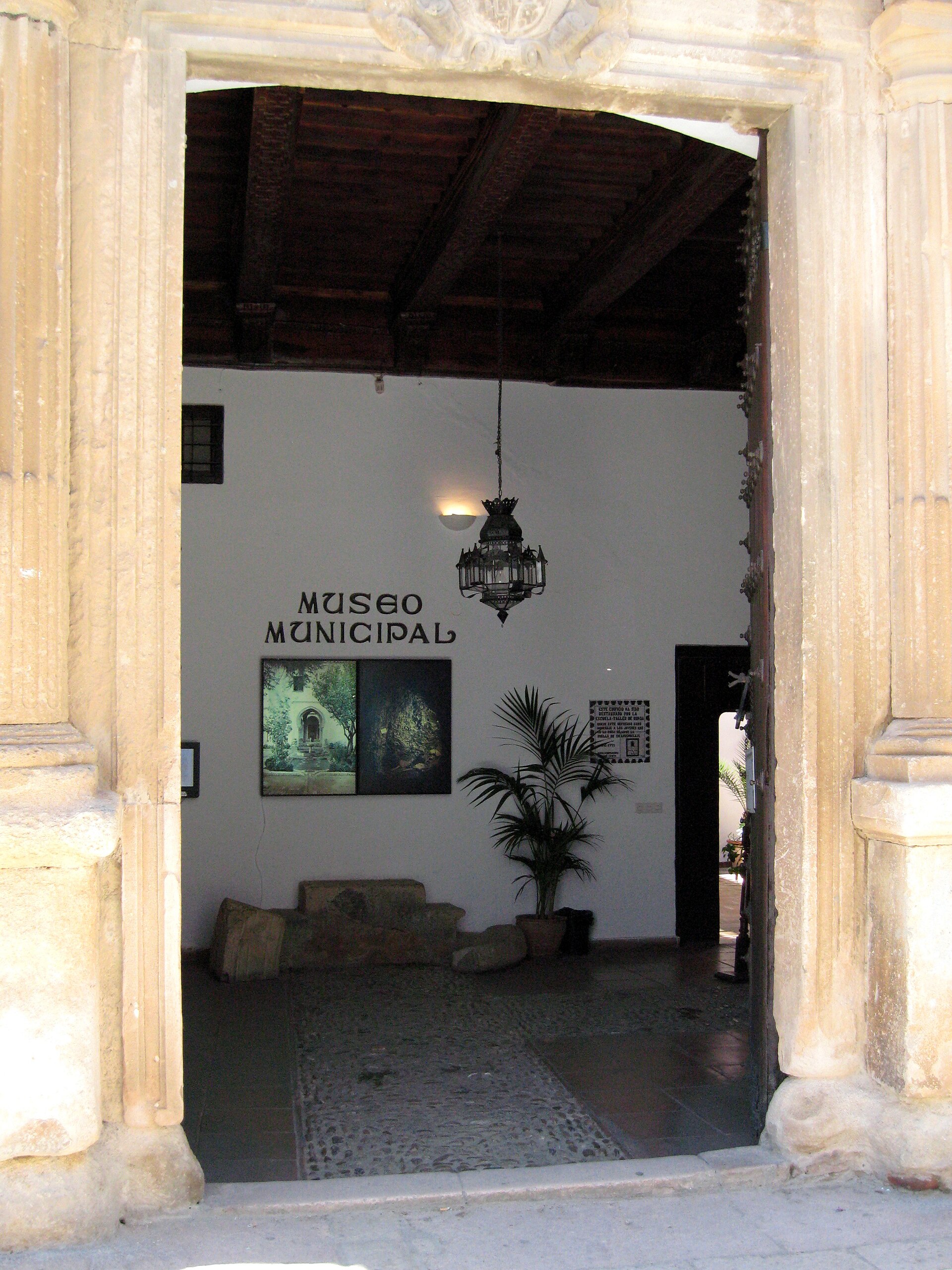
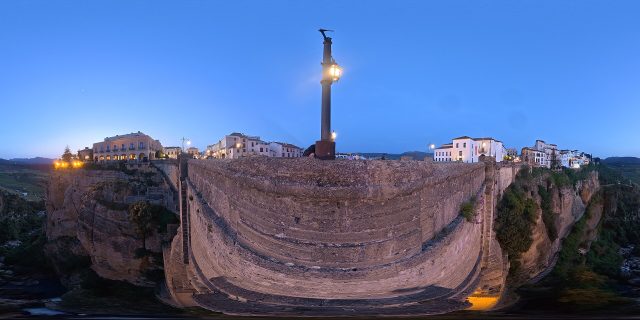
Perched on the edge of a dramatic gorge, Ronda feels like a place where time has settled into the cracks of its ancient walls. The town clings to the cliffs above the Tajo, split in two by the sheer drop, its whitewashed houses and narrow streets winding like veins through the rock. This is a landscape shaped by history—by the Moors who ruled here, the Christian kings who followed, and the bandits who once hid in the surrounding hills. The Ronda Museum, housed in the Palacio de Mondragón, offers a way to step into that past, not as a distant story, but as something tangible, something you can almost touch.
The palace itself is a quiet testament to the layers of history that define Ronda. Built as a residence for Moorish rulers, it blends Gothic arches with Renaissance courtyards and the intricate stucco work of Islamic design. The thick stone walls, cool even in the Andalusian heat, enclose a series of patios where fountains once murmured and gardens provided shade. Walking through its rooms, you can imagine the murmur of courtly conversations, the clink of armor in the halls, or the silence of a ruler pacing these same floors centuries ago. The building has seen dynasties rise and fall, yet it remains, a silent witness to the ebb and flow of power.
The museum’s collection begins long before the palace was built, with artifacts from the earliest inhabitants of the region. Stone tools and pottery fragments speak of Neolithic settlements in the Guadalevín Valley, where people lived in caves and hunted along the riverbanks. Later, the Romans established Acinipo nearby, a city whose ruins still dot the landscape. Coins, mosaics, and fragments of statues in the museum hint at its former importance—a place where trade routes crossed and cultures mingled. These objects are more than relics; they’re traces of lives lived in a land that has always been a crossroads.
The medieval period is where the museum truly comes alive. Ronda was a key stronghold during the Moorish era, and the collection reflects its significance. Weapons, jewelry, and ceramics with geometric patterns reveal the influence of North African craftsmanship, while documents and architectural fragments show how the city functioned as a political and cultural hub. After the Reconquista, when Christian forces reclaimed the region, Ronda didn’t fade into obscurity. Instead, it adapted, blending old traditions with new ones. The museum captures this transition, displaying Christian religious artifacts alongside Moorish-influenced textiles and metalwork, a reminder that history is rarely a clean break, but a slow, messy overlap.
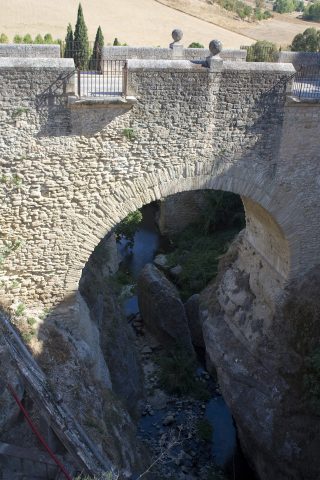
One of the most compelling sections is dedicated to the Puente Nuevo, Ronda’s iconic bridge. Built in the 18th century, it spans the gorge with a grace that belies the engineering challenge it posed. Models and sketches in the museum show how the bridge was constructed, stone by stone, over decades. It wasn’t just a feat of architecture; it was a lifeline for the town, connecting its two halves and symbolizing its resilience. The bridge also has a darker history—documents and personal effects in the museum hint at its use as a site of executions, where bodies were thrown into the abyss below. It’s a stark reminder that even the most beautiful places can carry shadows.
Beyond the grand narratives of war and power, the museum also tells the quieter stories of everyday life. Tools, clothing, and household items paint a picture of the people who farmed the land, wove textiles, and raised families here. A child’s wooden toy, a woman’s embroidered shawl, or a farmer’s worn leather satchel might not make history books, but they’re just as much a part of Ronda’s identity. These objects ground the past in something real, something human. They remind you that history isn’t just about kings and battles, but about the small, ordinary moments that make up a life.
The museum’s courtyard is the perfect place to pause after wandering through its rooms. Surrounded by arches, with the sound of water trickling from a fountain, it offers a moment of calm. From here, you can look out over the valley, where olive groves stretch toward the distant mountains of the Sierra de Grazalema. The view is almost unchanged from what the palace’s original inhabitants would have seen—whitewashed houses dotting the hillsides, the river winding through the landscape, the same sun casting long shadows over the cliffs. It’s a view that makes the past feel close, as if the centuries between then and now have softened into something almost tangible.
Ronda has a way of making history feel alive, not as something locked away in a museum, but as something that lingers in the air. The Palacio de Mondragón is part of that—it doesn’t just display the past, it lets you walk through it. There’s no rush here, no crowds pressing in. Instead, there’s space to wander, to wonder, to let the weight of the centuries settle around you. This isn’t a place that shouts its importance; it doesn’t need to. The stones, the views, the very air carry the stories of those who came before. And in that quiet, Ronda reveals itself not just as a town, but as a living piece of history.