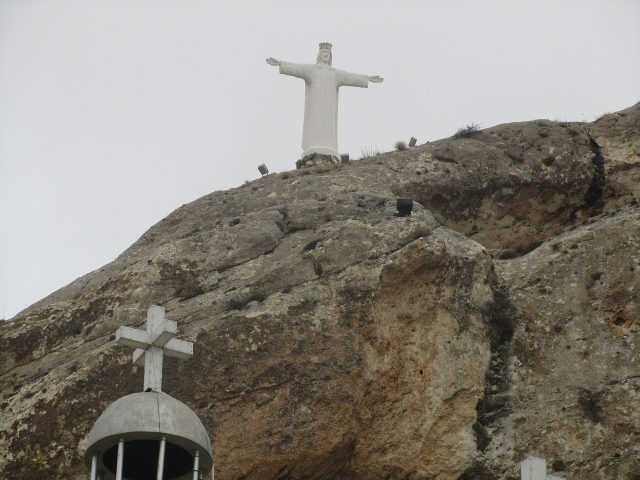
The Lubango Regional History Museum is one of those rare places where the past doesn’t just sit behind glass—it breathes. Tucked away in the heart of Lubango, it preserves the layered stories of a region that has long been a crossroads of cultures, trade, and conflict. Unlike the grand, impersonal museums of capital cities, this one feels intimate, almost like stepping into someone’s carefully kept family archive. The history here isn’t distant or abstract; it’s alive in the details, in the way light falls across old photographs, in the quiet weight of objects that have witnessed generations.
The building itself is part of the story. Built in the mid-20th century, it reflects the colonial architecture of Portugal, with its high ceilings, heavy wooden doors, and spacious halls where sunlight filters through tall windows. Inside, the atmosphere hasn’t changed much over the decades. Wooden display cases hold faded documents, their edges worn from time. Black-and-white photographs in tarnished frames line the walls, their subjects frozen in moments that feel both familiar and impossibly distant. The air carries the scent of aged paper and polished wood, as if the past has settled into the very foundations of the place.
The museum’s exhibits trace the region’s history from its earliest days. The first rooms introduce the hunter-gatherer societies that once roamed these lands, followed by the Bantu migrations that brought new technologies, languages, and traditions. Simple but telling artifacts—stone tools, pottery shards, shell and bone jewelry—offer glimpses into daily life long before European contact. These objects aren’t just relics; they’re evidence of resilience, of people adapting to a landscape that shaped their existence in ways we can only imagine.
Colonialism looms large in the museum’s narrative. Lubango was founded by the Portuguese in the late 19th century as an agricultural settlement, but it quickly grew into a key administrative and commercial hub in southern Angola. The exhibits here are a mix of official records and personal stories—letters from colonial officials, tools used on coffee plantations, yellowed newspapers, and even clothing from the era. What emerges isn’t just a story of domination, but one of complex interactions. Local communities resisted foreign rule, yet they also absorbed new customs, creating a cultural blend that still defines the region today. The museum doesn’t shy away from the contradictions of this period, presenting it as a time of both oppression and unexpected exchange.
The struggle for Angolan independence is another focal point. Lubango played a significant role in the fight against colonial rule, serving as a base for the MPLA movement. The museum houses a collection of materials from this era—pamphlets, weapons, photographs of guerrilla camps—alongside personal testimonies from those who lived through it. One of the most moving exhibits is an audio recording of local fighters recounting their experiences. Their voices, raw and unfiltered, remind visitors that history isn’t just about dates and battles; it’s about the people who lived it, whose lives were forever changed by the choices they made.
A separate section is dedicated to the ethnography of Huíla Province, showcasing the traditional crafts of the region’s indigenous peoples. Here, visitors can see looms used for weaving, handmade clay pots, intricately carved wooden masks, and musical instruments. The exhibits on the Nhaneca-Humbe people are particularly striking. This group, with its deep-rooted rituals and oral traditions, has long inhabited the area, and their culture remains vibrant in nearby villages. The museum acts as a bridge, connecting the past with the present, showing how these traditions have evolved without disappearing entirely.
What makes the Lubango Regional History Museum special isn’t just its collection, but the way it makes history tangible. There’s a quietness here, a sense of time slowing down. The creak of the wooden floors, the murmur of guides sharing stories, the way the light slants through the windows—it all adds to the feeling that you’re not just observing history, but stepping into it. There are no crowds, no rush. Visitors can take their time, reading every label, lingering over details that might otherwise go unnoticed. For anyone trying to understand Angola beyond its borders, this museum offers a rare chance to see the country as a living, breathing entity with a past that still shapes its present.
In recent years, the museum has become a hub for education, partnering with local schools and universities to host lectures and workshops. This outreach is especially important for younger Angolans, many of whom grew up in the shadow of civil war and have little connection to the history that came before. The museum helps fill that gap, showing them how the past isn’t just a series of events, but a foundation for the future. It’s a place where history isn’t just studied—it’s felt, discussed, and carried forward.
Leaving the museum, you’re left with the sense that you’ve touched something deeper than a collection of artifacts. It’s a place where history stops being a subject in a textbook and becomes something personal. Maybe that’s why people return—not just tourists, but locals, too. They come back to walk the halls again, to reread the familiar labels, to remember where it all began. In a world that often moves too fast, the Lubango Regional History Museum offers a quiet reminder that the past isn’t gone. It’s still here, waiting to be understood.